
Quality Concrete Services in North Bay Shore, NY
When you’re planning a concrete project, the details matter—right down to the prep work, the mix selection, and the finishing that helps the surface last. Long Island Mason & Concrete supports homeowners and businesses across North Bay Shore with dependable concrete solutions designed for everyday use and local weather conditions.
Whether you’re adding a new driveway, repairing a walkway, or upgrading a concrete patio, getting started with a local team can make the process smoother. You’ll want clear communication, careful site preparation, and craftsmanship that focuses on long-term performance. Long Island Mason & Concrete works with customers to understand what you need, what the area requires, and how to get the results you’re looking for—without guesswork. With hands-on expertise and a commitment to quality, residents in North Bay Shore can move forward confidently, knowing their concrete is built to handle the demands of coastal Long Island life.
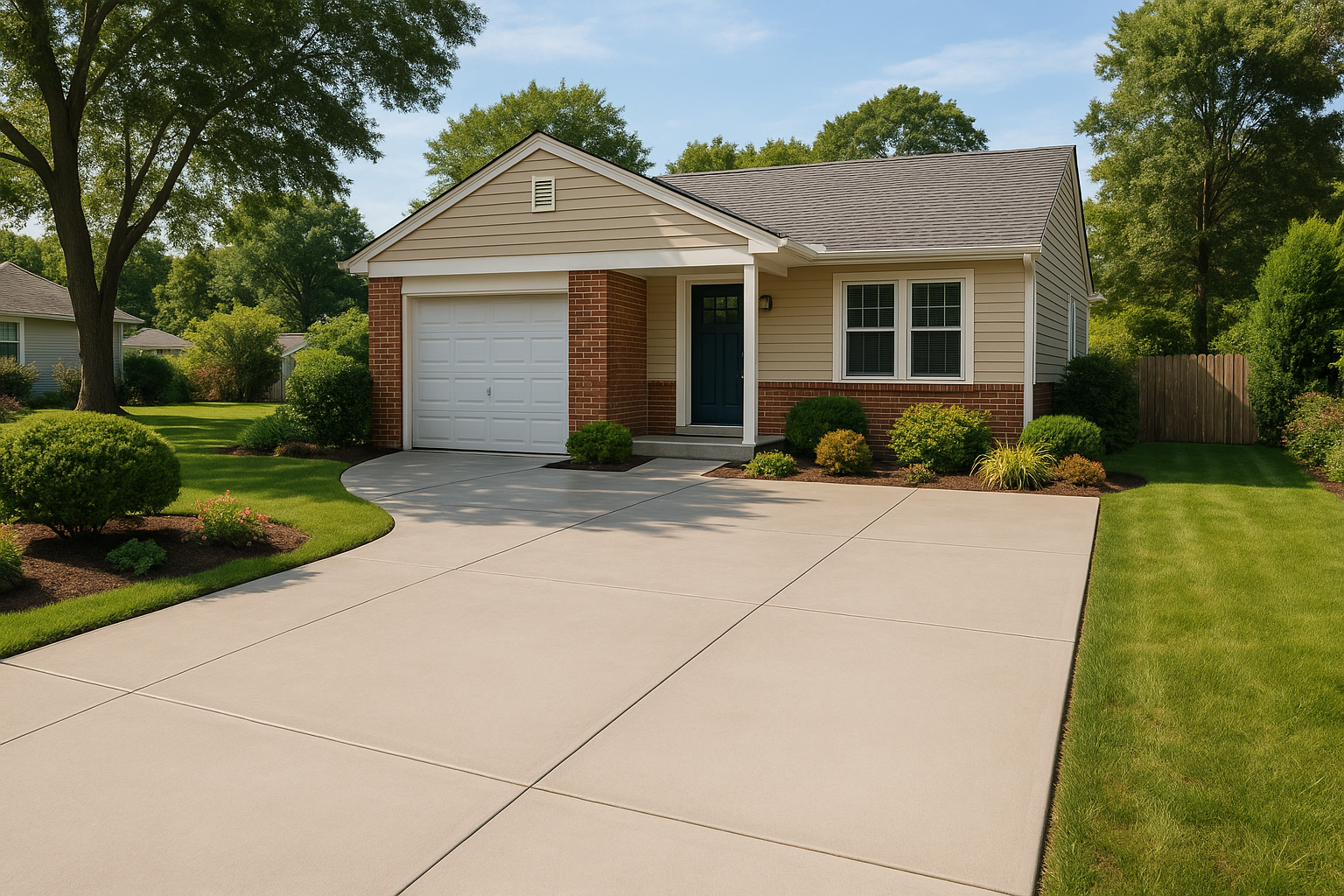
Local Concrete Services You Can Rely On in North Bay Shore
Concrete is one of the most practical materials for North Bay Shore properties because it can stand up to frequent outdoor use and the region’s seasonal temperature changes. For new installations and repairs alike, Long Island Mason & Concrete brings a workmanship-focused approach to help you get a surface that looks good and performs well.
From curbside improvements to backyard upgrades, concrete projects are often about more than appearance. Proper preparation, correct thickness, and appropriate finishing can help reduce problems like cracking, uneven settling, and premature wear. A local team also understands the importance of completing work efficiently and coordinating timelines so your property is ready to use when you need it.
Common Concrete Projects for North Bay Shore Residents
- Driveways: Fresh concrete can improve curb appeal and create a smoother, more durable driveway surface.
- Walkways and paths: Repair or replacement can help restore safe, even footing around your home or business.
- Patios and outdoor living spaces: A well-built patio gives you a strong base for entertaining and everyday relaxation.
- Concrete repairs: Addressing small issues early can help prevent them from becoming larger problems.
- Minor concrete improvements: Updates that refresh the look and usability of key exterior areas.
What to Expect When You Work With Long Island Mason & Concrete
Accessing concrete services locally is about getting answers and next steps quickly. Long Island Mason & Concrete focuses on practical guidance so you can plan with confidence. The process typically includes evaluating the existing area (when applicable), discussing your goals, and recommending an approach suited to your property and the scope of work.
Concrete projects often involve multiple steps—site assessment, preparation, forming, placement, finishing, and curing. A careful process helps ensure the final result is aligned with your expectations and designed to last. If you’re not sure what you need, start with a conversation. The team can help you understand your options and clarify what each project typically involves.
How North Bay Shore Conditions Affect Concrete Choices
Long Island’s coastal setting and seasonal shifts can take a toll on exterior surfaces. Even routine exposure to moisture and temperature changes can contribute to wear over time. That’s why concrete work should prioritize strong foundational prep, proper finishing, and attention to details that influence durability.
For residents in North Bay Shore, choosing the right concrete approach can mean fewer recurring repairs and a surface that holds up to real day-to-day use—foot traffic, vehicles, and outdoor weather exposure.
Get Started With a Local Concrete Team
If you’re planning a concrete project in North Bay Shore, the best way to move forward is to connect with a local provider who can guide you through the process. Long Island Mason & Concrete is ready to help homeowners and property owners explore solutions that fit their needs, timelines, and goals.
North Bay Shore Home & Property Needs
North Bay Shore is a community where outdoor spaces matter. Many homes rely on driveways, walkways, patios, and other concrete surfaces for everyday convenience—so when an area cracks, settles, or starts to wear, it can quickly affect both appearance and usability.
Local concrete work is a practical investment for residents who want to keep their properties looking cared for and functioning smoothly year after year. A well-executed driveway or walkway can improve curb appeal and create safer access around the home. Likewise, a new or repaired patio can help you get more value from your outdoor living space.
For projects in North Bay Shore, working with Long Island Mason & Concrete offers the benefit of a team that’s familiar with local expectations and the real-world conditions that impact exterior concrete. Whether you’re planning a new installation or considering repairs, starting locally can help you get clear guidance, a realistic plan, and craftsmanship focused on lasting results.
Frequently Asked Questions About Concrete in North Bay Shore, NY
How do I know whether I need concrete repair or a full replacement?
In North Bay Shore, the decision usually depends on the condition of the existing slab and the cause of the damage. Hairline cracks may be repairable with patching and crack filling, especially when there’s no movement. However, spalling, deep cracking, uneven settling, or recurring damage often indicates the base has failed and replacement may be the better long-term solution. A contractor can evaluate the slab, edges, and any signs of moisture intrusion before recommending the next step.
What’s the difference between concrete sealing and concrete resurfacing?
Concrete sealing helps protect the surface by reducing water and salt penetration, which can slow staining and help limit wear—particularly for driveways or patios exposed to weather. Concrete resurfacing, on the other hand, is a thicker system that adds a new surface layer to cover surface defects and improve appearance. If your concrete is uneven or has significant deterioration, resurfacing may be more appropriate than sealing alone. The right choice depends on thickness, condition, and your goals for look and durability.
Can you pour concrete in cold or winter weather?
Cold weather affects curing because concrete needs a stable temperature for proper strength development. Many projects can still be scheduled during cooler periods using protective curing methods, but workability, curing time, and risk of freezing must be managed carefully. It’s important to avoid concrete freeze before it reaches early strength, and temperature considerations may affect mix design and curing approach. The best plan is to discuss timing with your contractor so they can use appropriate curing and protection measures for the season.
How long does concrete need to cure before I can use it?
Concrete curing time depends on the mix design, temperature, humidity, and whether the job involves plain concrete, overlays, or repairs. While concrete can often be walked on earlier, full strength typically takes longer, and heavier loads should be delayed until it has cured sufficiently. Rushing the process can lead to surface scaling, cracking, or weakened performance. A reputable contractor will base recommendations on the project conditions and advise when it’s safe for foot traffic, vehicles, and other uses.
What causes concrete cracking, and how can I prevent it?
Concrete cracks commonly result from shrinkage during drying, temperature changes, improper joint spacing, or movement beneath the slab due to soil issues or water drainage problems. Preventing cracking usually starts with preparation: proper subgrade compaction, correct base thickness, and placing control joints at the right locations. Using an appropriate mix and curing properly also helps reduce surface cracking. If you’re dealing with existing cracks, repairing the underlying cause—like drainage—can prevent the same problem from returning.