Reliable Concrete Services in North Bayport, NY
Whether you’re planning a new walkway, updating a driveway, or repairing settled concrete, getting the job done right matters for both safety and curb appeal. In North Bayport, the mix of seasonal weather, heavy use, and coastal conditions means concrete needs practical craftsmanship and careful installation—especially for slabs, steps, patios, and other high-traffic areas.
Long Island Mason & Concrete serves homeowners and property managers throughout the North Bayport area with concrete work designed to stand up to everyday life. From early planning and material selection to finishing details that improve performance, their team focuses on building solid, clean results that look great and help prevent common concrete problems. If you’re not sure what type of service you need, you can start by describing your project and goals—such as drainage, smooth access, or replacing worn surfaces—and the right approach can be discussed.
This page is designed to help you access concrete service locally with confidence. You’ll find straightforward guidance on common project types, what to expect when scheduling, and how to prepare so the estimate and timeline stay on track.
Concrete projects North Bayport residents commonly need
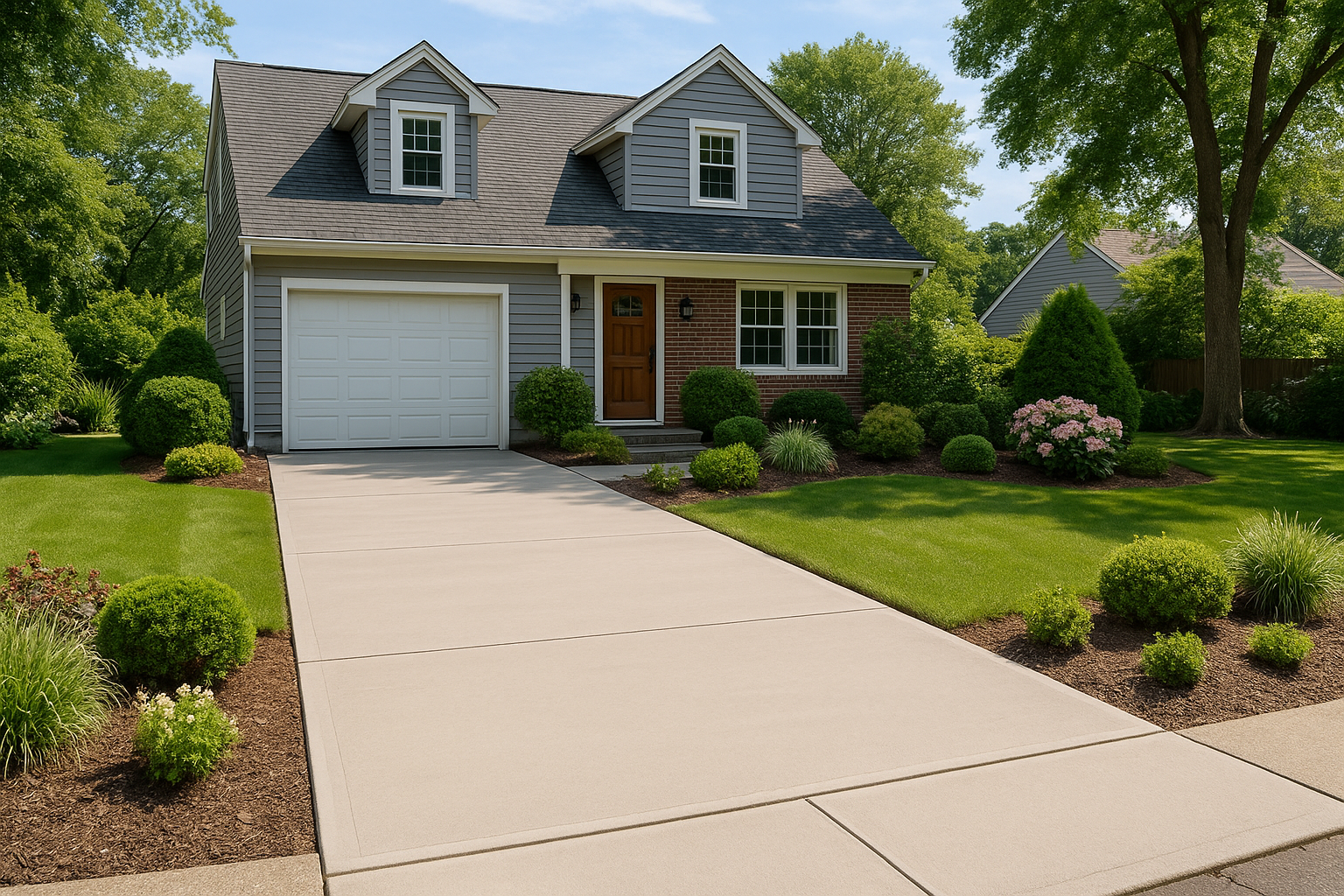
Concrete is a dependable choice for many outdoor and property projects, but the details matter—site prep, proper thickness, drainage considerations, and finishing all affect how long the work lasts. Long Island Mason & Concrete helps local clients with both fresh installations and repairs, including:
- Driveways: Replacement or resurfacing to restore a smooth, usable surface.
- Walkways and patios: Clean, level paths and outdoor areas designed for everyday traffic.
- Steps and entryways: Safer access and improved appearance at doors and transitions.
- Concrete repair: Fixing cracks, spalls, and other damage before it grows into a larger problem.
- Flatwork upgrades: Additions or modifications that improve function around the home.
If you’re unsure whether your project is a repair or a replacement, a local assessment is the best place to start. Many issues can be stabilized when they’re caught early.
How to access local concrete service in North Bayport
Getting started is simple. When you contact Long Island Mason & Concrete, you can explain what you want to improve and where the work will be done. The more helpful your details are—such as the current condition of the slab, how the area is used, and any concerns with drainage or unevenness—the easier it is to recommend an appropriate next step.
1) Share your project goals
Think about what “success” looks like for you: a driveway that’s easier to maintain, steps that feel safer, or a patio with a finish that complements your home. Even a short description can go a long way.
2) Review site conditions
Concrete performance often depends on preparation. Your contractor may want to evaluate the ground, existing concrete condition, and drainage patterns so the finished surface stays stable and usable.
3) Plan around timing and access
Outdoor concrete work can involve scheduled access to the property and coordination with daily routines. A clear conversation about timing helps keep the project moving smoothly.
What makes professional concrete work worth it
Concrete seems straightforward, but durable results come from the right process. Professional installation helps reduce issues that homeowners commonly face, such as uneven settlement, early cracking, and surfaces that don’t shed water properly.
- Better long-term performance: Correct prep and finishing help concrete handle normal wear.
- A safer finished surface: Proper leveling and attention to transitions improve usability.
- Improved curb appeal: A clean, well-finished look can refresh your property’s appearance.
- Clear, local guidance: Long Island Mason & Concrete can help you choose an approach that fits the needs of your specific area.
Tips to prepare for your concrete estimate
Before scheduling, gather a few quick details so you can move faster:
- Take photos of the area from a couple of angles, including close-ups of cracks or damage.
- Note any changes you’ve observed, such as sinking, pooling water, or worsening cracks.
- Let your contractor know how you use the space day-to-day (heavy vehicles, frequent foot traffic, seasonal use, etc.).
- Be ready to discuss your preferred finish and whether you’re looking for repair or full replacement.
When you’re ready to talk, Long Island Mason & Concrete is a local option for concrete solutions in and around North Bayport.
About North Bayport, NY & Your Concrete Needs
North Bayport is a welcoming Long Island community where homes and properties are built for real daily life—driving, walking, entertaining, and maintaining outdoor spaces year-round. With seasonal shifts and regular exposure to sun, moisture, and changing temperatures, concrete surfaces take on a lot of demand. Over time, even well-built flatwork can show wear from weather exposure and everyday use, making timely repairs and thoughtful upgrades important.
Concrete fits North Bayport well because it’s a practical, long-lasting material for driveways, walkways, patios, and entry steps. The key is matching the installation approach to the site—ground conditions, drainage, and the condition of any existing concrete. That’s where professional local guidance helps. A properly planned concrete project can improve safety, support easier access around the home, and refresh curb appeal.
If you’re a North Bayport resident looking for dependable concrete work, Long Island Mason & Concrete can help you evaluate your options and choose the right next step. Whether you’re starting fresh or addressing an issue you’ve noticed, getting started with a local assessment is often the fastest path to a durable result.
Frequently Asked Questions About Concrete in North Bayport, NY
What types of concrete services are commonly available in North Bayport?
In many North Bayport-area projects, concrete contractors handle a range of residential and light commercial work. Common options include poured concrete for slabs and foundations, driveway replacements, sidewalk and patio installation, and concrete repair. Some crews also perform concrete resurfacing or patching to restore worn surfaces. If you tell us what you’re building or repairing—like a new patio or a cracked driveway—we can discuss the best concrete approach and finish for your goals and site conditions.
How do I know whether my concrete needs repair or full replacement?
Concrete can often be repaired when the damage is limited—such as surface spalling, small cracks, or areas where the top layer has worn. Full replacement may be more appropriate if there are widespread cracks, significant settlement, uneven slabs, or sections that continue to deteriorate. A qualified inspection typically checks crack width, depth, trip hazards, moisture issues, and whether the slab is stable. Sharing photos and any movement you’ve noticed helps guide the recommendation.
What causes concrete cracking, and how can it be prevented?
Concrete cracks can form for several reasons, including shrinkage as it cures, temperature swings, improper base preparation, or inadequate jointing. Heavy loads and water infiltration can also contribute over time. Prevention usually starts before pouring: proper subbase grading and compaction, correct concrete mix for the application, and planning for control joints. Surface finishing and curing practices also matter. If you’re seeing recurring cracks, addressing drainage and base conditions is often as important as the patching work.
How long should I wait before using a newly poured driveway or patio?
Cure and use times depend on the project thickness, weather conditions, and the specific mix design. In general, newly poured concrete needs time to cure so it gains strength and resists surface damage. Light use is typically possible after an initial cure period, while full strength may take longer. Your contractor should provide guidance tailored to your pour schedule and conditions. Until then, avoiding heavy loads and protecting the surface from rain or rapid drying helps ensure a durable finish.
What’s involved in concrete resurfacing or coating instead of replacing the slab?
Resurfacing aims to restore appearance and add a protective layer without removing the entire slab. The process usually starts with cleaning the existing concrete thoroughly, followed by repairs to spalls, scaling, or loose areas. After preparation, the contractor applies a suitable resurfacer or coating system designed for the concrete condition and intended use—like driveways or walkways. Proper surface prep is critical; coatings that are applied over unsound or wet concrete often fail prematurely.