Reliable Concrete Services in Sag Harbor, NY
If you’re planning a home improvement project in Sag Harbor, reliable concrete work is a foundation-level decision. Concrete is used for driveways, walkways, patios, steps, foundations, and more—so getting the mix, prep, and finishing right matters for both performance and curb appeal. Local conditions like freeze-thaw cycles and coastal weather can be tough on exterior surfaces, which is why quality installation and proper attention to drainage and base preparation are so important.
Long Island Mason & Concrete helps residents and property owners move from idea to finished project with dependable, service-focused concrete solutions. Whether you’re replacing worn concrete, upgrading an entrance, or adding a patio for outdoor living, you’ll want a team that understands how to approach the job from site assessment to final finish. Using thoughtful methods and durable materials, the goal is to create concrete that holds up over time and looks at home in the Hamptons.
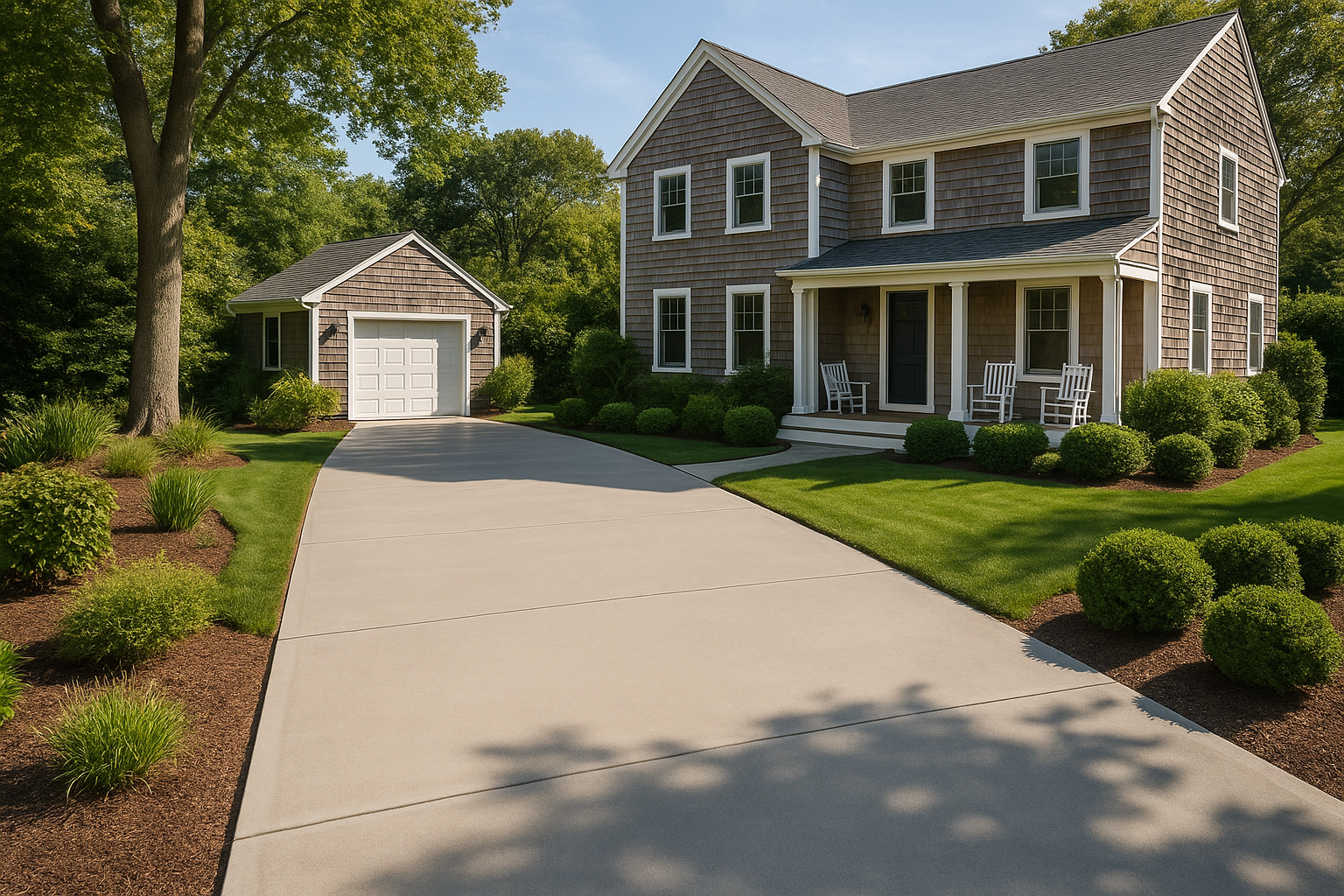
Concrete services residents can schedule locally
When you need concrete work in Sag Harbor, the simplest path is to start with a clear plan: what you’re building or repairing, where the concrete will be installed, and how you want it to look and perform. Long Island Mason & Concrete is equipped to handle common residential and property needs, including projects that require careful layout, solid base preparation, and finishing details that make a difference.
-
Driveways and parking pads: Replace cracked sections, improve surface stability, and create a smoother, more attractive driving area.
-
Walkways and pathways: Enhance safe access to entryways, garages, and outdoor spaces with clean edges and consistent grading.
-
Patios and outdoor slabs: Build comfortable outdoor areas for dining, relaxing, and entertaining—finished to complement your property.
-
Steps and stoops: Restore solid footing and improve the look of transitions between levels.
-
Repairs and replacement: Address spalling, sinking, lifting, and surface wear before small issues become larger problems.
-
Foundations and related concrete work: Support structural needs with attention to installation quality and site readiness.
Why local concrete prep matters in Sag Harbor
Concrete performance depends on more than pouring. The surrounding conditions in Sag Harbor—seasonal temperature changes, moisture, and coastal influence—can stress exterior surfaces. Proper concrete prep helps reduce the risk of problems like cracking, uneven settling, and premature surface deterioration.
Good results often begin with site evaluation and practical decisions, such as:
-
Correct sub-base and grading: A stable base and the right slope help manage water flow and support long-term durability.
-
Drainage-aware design: Thoughtful water management can help protect the concrete surface and surrounding areas.
-
Finishing that matches the use: Texture, edges, and surface treatment should fit the project—walkways feel different than driveways or patios.
-
Planning for seasonal timing: Scheduling the work with weather considerations in mind supports better curing and a stronger finished surface.
How to get started with Long Island Mason & Concrete
Getting local concrete help is easiest when you prepare a few details ahead of time. Before your consultation, consider noting where the concrete will be installed or repaired, what problem you’re addressing, and any preferences you have for finish and layout. If you already have measurements, photos, or notes from past repairs, those can be helpful as well.
Long Island Mason & Concrete can guide you through the process so you know what to expect from start to finish. A professional approach typically includes reviewing the scope, discussing options, and completing the work with an emphasis on quality workmanship and a finished result that looks right on your property.
Benefits of choosing a local, service-focused team
Concrete is a long-term investment, so it’s worth choosing a contractor who treats your project with care. With Long Island Mason & Concrete, residents can expect a practical, hands-on workflow designed to deliver durable results and clear communication. Local scheduling and familiarity with common exterior conditions can also help reduce surprises and keep the project moving steadily.
If you’re ready to upgrade an entry, repair existing concrete, or add a new outdoor surface, reach out to Long Island Mason & Concrete to discuss your Sag Harbor project.
Sag Harbor: concrete that fits local outdoor living
Sag Harbor is known for its coastal charm, walkable neighborhoods, and beautiful outdoor spaces—so concrete needs to look good and handle real-world exposure. From seasonal visitors to everyday use, driveways, walkways, patios, and steps take on frequent traffic, weather exposure, and temperature swings. Durable concrete work helps keep access areas safe and helps your property maintain its appeal year after year.
Because Sag Harbor’s conditions can be demanding on exterior surfaces, residents benefit most from projects that focus on proper prep, dependable installation, and finishing that suits how the space is used. Whether you’re replacing worn slabs or building new pathways for smoother access, the right approach can support long-term performance and reduce the need for recurring fixes.
Long Island Mason & Concrete is a helpful local option for residents who want a clear, service-oriented process. Starting with a real assessment of your site and project goals can make it easier to get the concrete work you need—done with attention to detail and a finish that complements your home in Sag Harbor.
Frequently Asked Questions About Concrete in Sag Harbor, NY
What types of concrete work do you handle in and around Sag Harbor?
Concrete contractors typically cover a range of residential and light commercial needs, such as concrete driveways, walkways, patios, steps, stoops, and garage slabs. They may also perform repair work like patching spalling concrete, filling cracks, and replacing damaged sections. Many jobs begin with evaluating the existing surface (or soil conditions for new pours) to determine whether full replacement, resurfacing, or targeted repairs are best for durability and appearance.
How do I know whether to repair existing concrete or replace it?
Repairs work well when the damage is localized—like surface spalling, minor cracking, or small settled areas. Replacement is often the better choice when there are widespread cracks, significant heaving, structural failure, or sections that have become uneven enough to create tripping hazards. A contractor should inspect how deep the cracking goes, check for movement, and assess drainage around the slab so the chosen solution addresses the cause, not just the symptoms.
What’s involved in preparing the ground before a new concrete pour?
Proper subgrade preparation is crucial for longevity. It usually includes removing topsoil and debris, compacting the base material, and ensuring correct grading so water drains away from the slab. For areas like driveways or patios, contractors also consider reinforcement and the thickness needed based on expected loads. If there’s existing material to remove, preparation may include removing old concrete and restoring the base layer before any new pour.
How long does concrete need to cure, and when can I use the surface?
Concrete curing time depends on the mix design, thickness, weather, and how the area will be used. Generally, concrete gains strength over days and continues improving over weeks. Most projects can be shaped and finished shortly after placement, but heavier use—like parking on a driveway or placing loads—should wait until the concrete reaches an appropriate strength level. Your contractor can guide you based on your specific pour thickness and conditions.
Do you offer concrete finishing options like stamping, staining, or different textures?
Many concrete projects can be finished in more than one way to match your style and the surrounding property. Common options include broom finishes for slip resistance, decorative stamping for a masonry look, and staining or coloring for a more custom appearance. The right finish also depends on the intended use—patios and walkways need appropriate traction and sealing decisions. A professional can help you choose a finish that balances aesthetics with long-term wear.