Reliable Concrete Services in West Sayville, NY
Concrete is a big part of how homes and businesses on Long Island look, function, and handle everyday wear. Whether you’re planning a new driveway, repairing a walkway, or upgrading a concrete surface around your property, working with a local team can make the process smoother and more responsive to your needs.
Long Island Mason & Concrete helps residents in and around West Sayville, NY with practical, quality-focused concrete work. From start to finish, you can expect clear communication, careful attention to site conditions, and workmanship designed for long-term use in real coastal-area weather. Concrete projects often come with questions—timing, preparation, finish options, and what’s involved in repair versus replacement. A local contractor can also better coordinate scheduling and logistics so your project fits your property and your routine.
If you’re considering concrete services this season, the best next step is to get an honest evaluation of the existing slab or the area you want to build. That way, you can move forward with confidence—whether you’re aiming for curb appeal, safer walkways, or durable concrete that stands up to daily use.
Concrete services residents in West Sayville commonly need
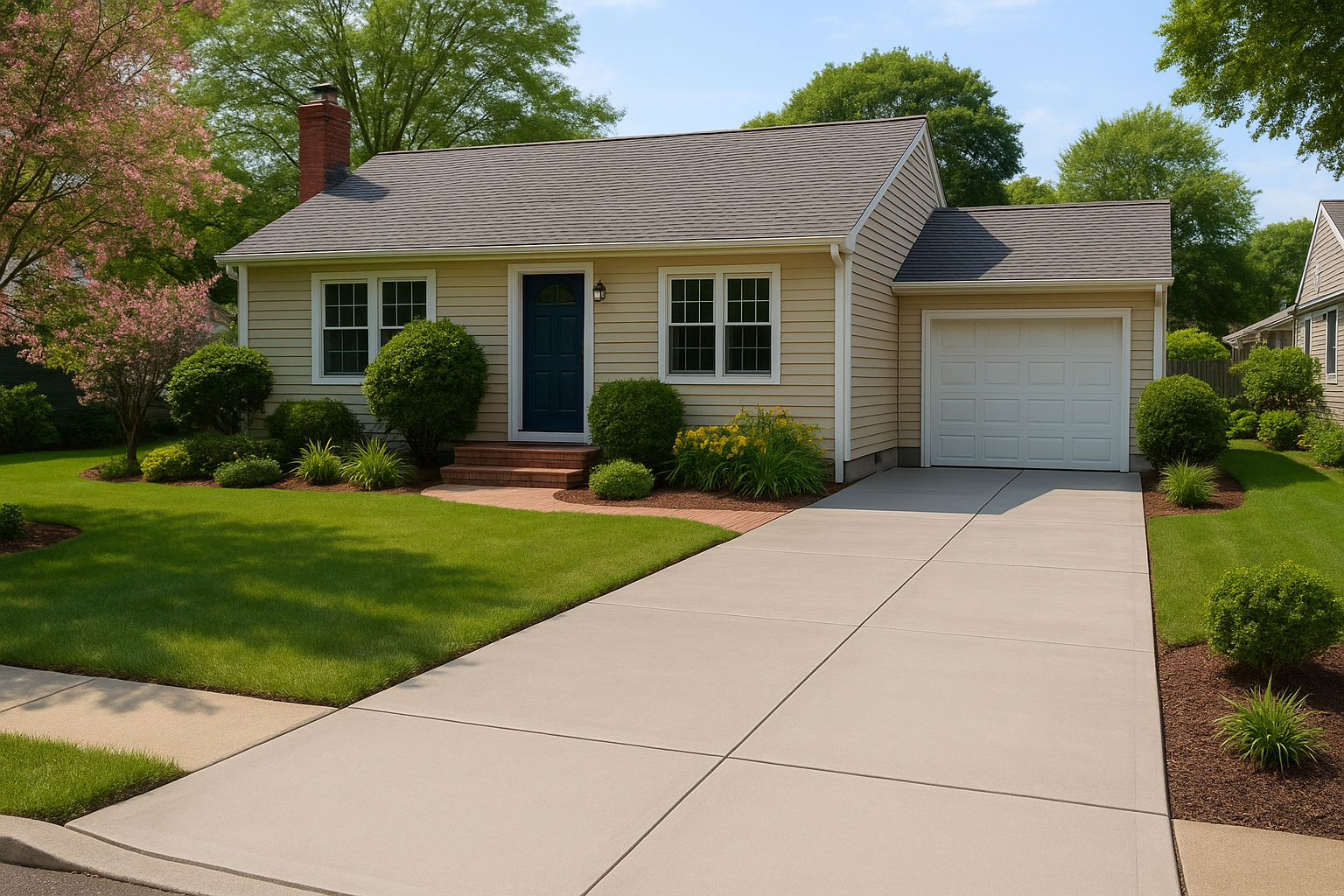
Concrete can be used for many parts of a property, from the entrance visitors see first to the surfaces that handle regular foot traffic. If you’re a homeowner, property manager, or contractor working locally, Long Island Mason & Concrete can help you choose the right approach based on the condition of the existing concrete and your goals.
- Driveways and driveway repairs: Address cracks, uneven sections, and worn surfaces to improve both appearance and safety.
- Walkways and steps: Repair or rebuild concrete paths that stay level and provide dependable traction.
- Patios and outdoor living surfaces: Create a stable base for outdoor gatherings with a finish that fits your style.
- Concrete foundations and flatwork: Support structural and site needs with proper preparation and strong workmanship.
- Repair and restoration: Target problem areas so you don’t have to replace more concrete than necessary.
Every project starts with understanding what’s happening on-site. Concrete doesn’t fail randomly—often it’s related to drainage, ground conditions, expansion and contraction, or surface wear over time. When the root cause is addressed during the work, results tend to hold up better.
How to get concrete access locally (and avoid delays)
If you want concrete work done without guesswork, it helps to plan around a few practical steps. First, review what you’re working on and take note of visible issues: cracking patterns, areas that feel loose or uneven, spalling, or sections that have sunk. If you can safely do so, note when the problems started and whether they worsen after heavy rain.
Next, contact Long Island Mason & Concrete to discuss your project. A local evaluation helps determine whether the best option is repair, patching, resurfacing, or replacement. This is especially important because two looks-similar concrete problems can require different solutions.
What a quality concrete installation should include
For residents in West Sayville, NY, durability matters. Concrete needs a solid foundation and proper finishing to perform well in real-world conditions. A trustworthy concrete contractor will typically focus on:
- Site preparation: Proper grading and base work to support the slab or new concrete section.
- Mix and placement: Correct materials and careful placement to help reduce weak spots.
- Finishing details: Options for texture and edging that improve both look and wear resistance.
- Curing and protection: Letting concrete cure properly and protecting the work so it gains strength as intended.
These steps help minimize premature cracking and surface deterioration, and they support the long-term performance you expect from a concrete driveway, walkway, or patio.
Why West Sayville homeowners choose local concrete help
Concrete projects affect how you move through your property every day, and local scheduling matters. Working with Long Island Mason & Concrete means you’re not starting from scratch with someone unfamiliar with the area’s building environment and practical realities. You can also expect straightforward guidance about next steps, so you know what to plan for and what decisions to make before work begins.
Ready to move forward with your concrete project?
When you’re ready, reach out to Long Island Mason & Concrete to talk about your driveway, walkway, patio, or repair needs in West Sayville, NY. A clear assessment is the fastest way to choose the right solution—whether you’re fixing an issue or planning new concrete for better functionality and curb appeal.
About West Sayville, NY
West Sayville is a charming Long Island community where many homes are built around everyday outdoor living—driveways, walkways, patios, and entry areas matter because they’re part of how residents come and go each day. Like much of Long Island, properties can see seasonal changes that affect surfaces over time, including freeze-thaw cycles, heavy rain, and shifting ground around homes.
That’s why dependable concrete work fits local needs so well. Quality flatwork helps keep walkways safer, improves driveway function, and restores the look of outdoor spaces. Whether you’re planning a new concrete surface or addressing repairs to existing slabs, choosing an experienced local team can make the process more organized and practical.
Long Island Mason & Concrete serves residents in and around West Sayville with a focus on getting the details right—site preparation, finishing, and the right approach for repair versus replacement. If you’re evaluating concrete issues or planning an upgrade, local guidance helps you move forward with confidence while protecting your property investment.
Frequently Asked Questions About Concrete in West Sayville, NY
Can you help with concrete driveway repair in West Sayville?
Yes. Concrete driveway repair typically starts with an inspection to identify the cause of the damage—such as cracking from freeze-thaw cycles, settlement, or surface wear. Common solutions include patching spalled areas, leveling minor uneven sections, filling cracks, and applying surface treatments to improve traction and appearance. If the slab is severely heaved, cracked through, or draining poorly, a larger repair or replacement may be recommended for long-term stability.
What’s the difference between concrete resurfacing and full replacement?
Resurfacing is often a good option when the existing concrete is structurally sound but looks worn—stains, minor scaling, or shallow surface pitting. A new layer can refresh the surface and improve uniformity. Full replacement is usually considered when there are major cracks, extensive spalling, or slab movement that affects smoothness and drainage. The right choice depends on thickness, condition, and whether repairs will hold without recurring issues.
Do you handle decorative concrete like stamped or stained finishes?
Decorative concrete can be added to existing projects or used for new slabs, depending on the base condition. Stamped concrete can mimic brick, slate, or other patterns, while staining can create rich, varied tones. Proper prep is critical—surface cleaning, crack treatment, and ensuring the concrete is ready for bonding or finishing. A professional assessment helps determine what finish will look best and last, especially if the current slab shows wear or cracking.
How do you prevent cracks in new concrete installations?
Concrete cracking can’t always be eliminated, but it can be managed. Key steps include proper subbase preparation, correct thickness, and using appropriate concrete mix design for the intended use. Joints and control planning help guide where cracks may form. Curing is also important—maintaining moisture and temperature helps reduce shrinkage issues. If you’re planning a new patio or walkway, discussing your site conditions and expected load early helps prevent problems down the line.
What should I expect during a concrete pour and curing process?
During a pour, the work usually includes forming the area, preparing the base, placing reinforcement when needed, and finishing the surface to your desired look or slip resistance. After placement, curing begins immediately to support strength development and limit surface cracking or weakness. The timeline can vary based on weather and mix, but the goal is to protect the concrete from rapid drying and temperature swings. Follow-up steps like joint finishing or sealing may come after curing.