Reliable Concrete Services in Woodmere, NY
Concrete work is one of those home and property projects where timing, prep, and craftsmanship really matter. If you’re planning a driveway refresh, sidewalk repair, patio install, or foundation-related concrete needs, getting started with a local crew can help ensure the right materials and methods for Long Island conditions.
Long Island Mason & Concrete serves Woodmere, NY and surrounding communities with practical, detail-focused concrete services. Whether you need small, targeted repairs or a larger upgrade to improve curb appeal and usability, you’ll benefit from clear communication, workmanship you can rely on, and a process designed to keep projects moving.
When you contact a contractor, it helps to be ready with a few basics: what you’re building or repairing, the approximate area or dimensions, and any concerns you’ve noticed (like cracking, uneven sections, or drainage issues). A local team can discuss options, explain what to expect, and help you choose solutions that fit your property and goals—without guesswork. Use the guidance below to understand what to plan for, how to access services near Woodmere, and how to prepare for your consultation.
Concrete services Woodmere homeowners and property managers can access locally
Residents in Woodmere rely on concrete every day—on driveways, walkways, patios, and around building foundations. Over time, weather exposure and regular use can lead to wear, cracks, settling, or surface damage. When that happens, choosing the right concrete solution can restore appearance, improve safety, and help prevent further deterioration.
Long Island Mason & Concrete provides concrete services tailored to local needs across Woodmere and nearby areas. If you’re looking for dependable concrete work, you can start by reaching out to discuss your project goals and the condition of the existing surface (if any).
Common residential and commercial concrete needs
Many Woodmere projects fall into a few straightforward categories. Your needs may include:
-
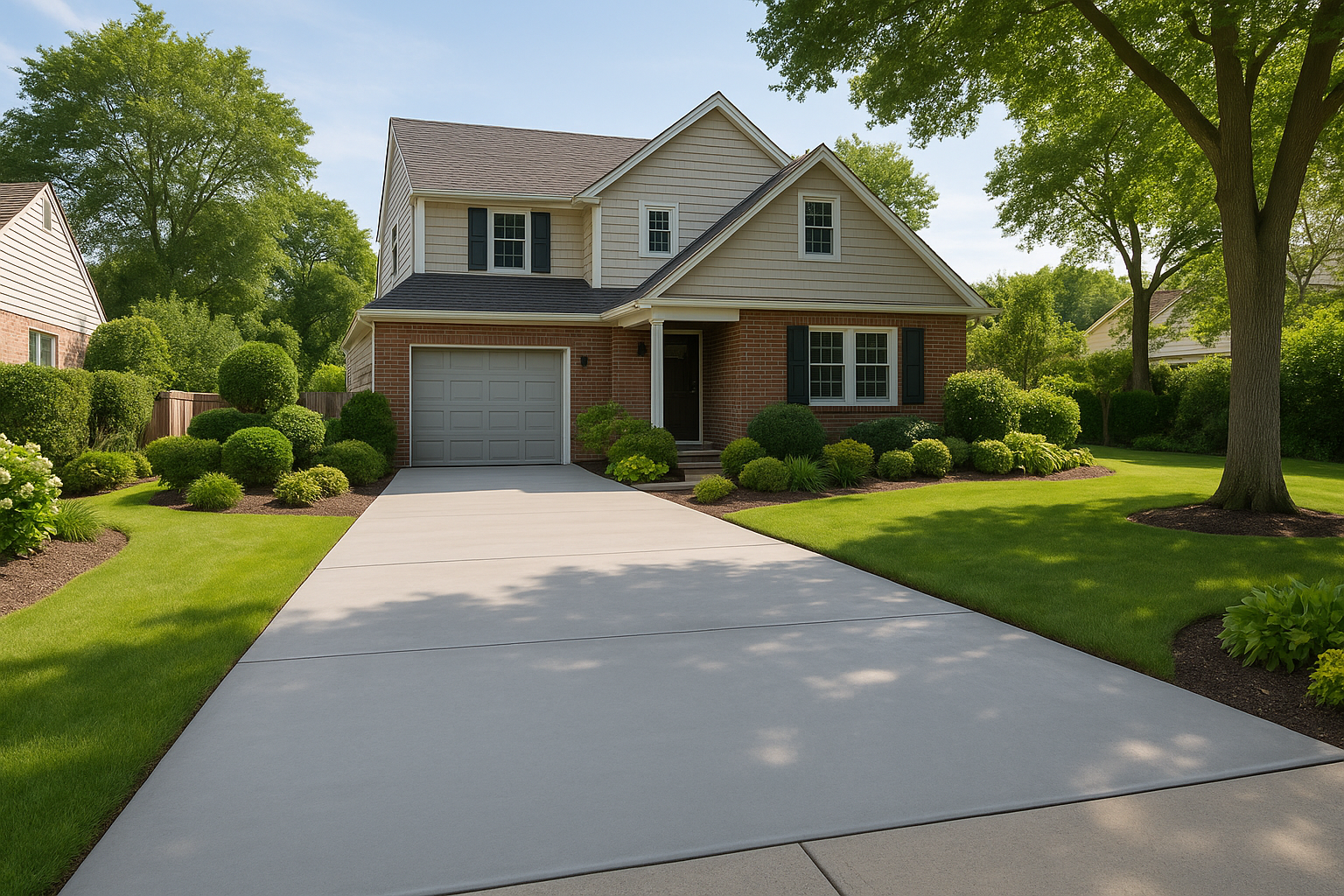
Driveways: resurfacing, repair, or replacement to address cracking, spalling, or uneven sections.
-
Sidewalks and walkways: patching or replacement to improve safe, even footing.
-
Patios: installation or upgrade for outdoor living spaces that look great and hold up season after season.
-
Concrete repair: targeted fixes for damaged areas, including steps and entry paths.
-
Surface upgrades: finishing touches that enhance look and function while maintaining durability.
Why local concrete work matters on Long Island
Woodmere experiences the kind of seasonal changes that put stress on concrete surfaces. A reputable contractor plans for more than just the day of installation or repair. That includes evaluating the existing slab or sub-base conditions, understanding drainage and exposure, and using appropriate concrete mix and finishing techniques for lasting performance.
Working with Long Island Mason & Concrete can make the process easier because you’re coordinating with a team familiar with local expectations and property realities. You’ll get guidance on practical next steps—what’s feasible now, what to address first, and how to protect your investment after the work is completed.
How to prepare for your concrete consultation
To make your first conversation as productive as possible, gather a few details before you reach out:
-
What you want to improve: repair, replacement, or a new concrete surface.
-
Where the issue is: driveway section, sidewalk run, patio area, steps, or entry walkway.
-
What you’ve noticed: cracks, trip hazards, spalling, sinking, or areas that seem to collect water.
-
Any time constraints: if you need the work done before seasonal use or a specific date.
During your discussion, a contractor can clarify options, outline what to expect during the project, and help you choose an approach that balances appearance, durability, and value.
Get concrete services in Woodmere—start with a local conversation
If you’re ready to restore or upgrade concrete around your Woodmere property, Long Island Mason & Concrete can help you move from questions to a clear plan. Contact the team to discuss your project and schedule an assessment so you can understand your best next steps.
Taking care of concrete problems sooner—especially trip hazards, widening cracks, or areas affected by drainage—can help protect your property and make daily use more comfortable and safe.
Woodmere, NY Concrete: Built for everyday use
Woodmere is a welcoming community where properties are designed for both comfort and curb appeal. With sidewalks, driveways, patios, and entryways used year-round, concrete plays a big role in how your home or business looks—and how safely it functions.
Concrete issues like cracking, uneven surfaces, or worn walkways can develop gradually, especially when surfaces are exposed to changing weather and regular foot traffic. Residents often want solutions that restore a clean, finished look while addressing underlying problems rather than only treating symptoms.
That’s where working with Long Island Mason & Concrete can fit local needs. Whether you’re planning a new patio, improving driveway durability, or repairing damaged concrete in a high-use area, a local team can help you explore practical options that match your property and goals. By starting with a clear assessment and planning the right approach, Woodmere homeowners can get concrete work done with confidence—so their outdoor spaces stay usable, safe, and attractive.
Frequently Asked Questions About Concrete in Woodmere, NY
What types of concrete services do you handle for homeowners and businesses?
Concrete work commonly includes new flatwork like driveways, walkways, patios, and slabs, as well as repairs to existing surfaces. Repairs may involve patching spalls, filling cracks, leveling uneven sections, and addressing minor surface deterioration. For any project, the right approach depends on the concrete condition, the intended use, and site drainage. A clear plan should cover surface preparation, mix selection, reinforcement if needed, and finishing to match the surrounding concrete.
How do you determine whether a crack should be repaired or replaced?
Cracks aren’t always the same. Some are cosmetic surface checks, while others can reflect movement, settlement, or inadequate base support. Repair may be appropriate when cracks are stable, limited in depth, and don’t show signs of ongoing displacement. If you notice widening, offset edges, or widespread damage, replacement is often the better long-term solution. The assessment should include the crack pattern, edge alignment, and the condition of the surrounding slab, plus whether water is contributing to deterioration.
What should I expect during concrete repair or installation from start to finish?
Most projects follow a similar workflow: planning and measurement, demolition or surface preparation, subgrade/base evaluation, and then placing the concrete. Preparation is critical—existing surfaces are cleaned and repaired areas may be removed to reach sound material. For installation, forms are set, and joints or reinforcement are added where needed. After placement, finishing and curing happen carefully to reduce cracking and ensure durability. Finally, any protective measures, joint sealing (if applicable), and cleanup should be discussed.
Do I need to worry about drainage or base preparation before pouring new concrete?
Yes. Concrete performance heavily depends on the subgrade and drainage around the slab. If water pools or the base isn’t compacted properly, the concrete can settle unevenly, leading to cracking, heaving, or premature wear. Before a pour, the base should be evaluated and prepared to support the load and maintain proper grading away from structures. If you’ve had recurring issues like sinking or cracking, addressing drainage and base problems is usually more important than cosmetic patching.
How can I choose the right finish for a driveway or patio to reduce slipping and wear?
Finish selection affects both appearance and safety. Smooth troweled concrete may be visually appealing but can become slick when wet. Textured finishes, broom finishes, or stamped/stained options can improve traction and hide minor surface imperfections. The best choice also depends on exposure—freeze-thaw cycles, rain, and sunlight can influence maintenance needs. A good plan should consider the intended use (foot traffic vs. vehicles), local weather patterns, and whether you prefer a more slip-resistant surface over a smoother look.