What Is Step Concrete?
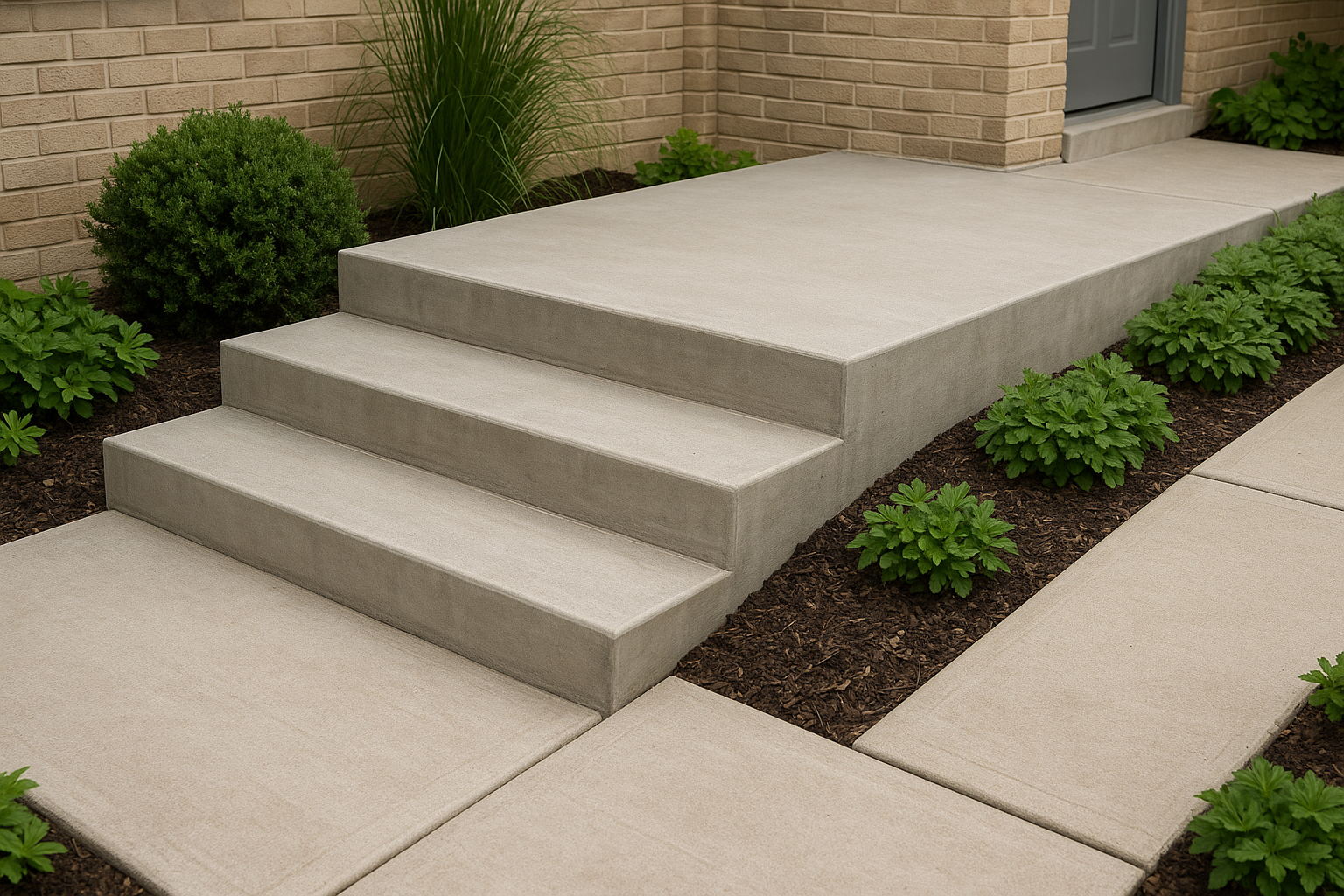
Step concrete refers to concrete used specifically for steps or stair treads—whether for exterior entryways, interior basements, or landscape steps. It can be cast in place, poured into forms on-site, or installed as precast units. Concrete steps are durable, versatile, and can be finished in many ways to match your home’s style.
Types of Concrete Steps
Cast-In-Place Steps
Cast-in-place steps are formed and poured directly where they will remain. This method allows for custom sizes, shapes, and continuous construction with adjacent slabs or landings.
Precast Steps
Precast concrete steps are fabricated off-site and delivered ready to install. They save time on-site and often have consistent quality and finishes, but they require lifting equipment and exact measurements.
Modular and Block Steps
Concrete block or segmental step systems use interlocking components or masonry units with poured treads. These are common in landscaping where steps need to contour sloped terrain.
Design Considerations
Rise, Run, and Building Codes
Comfort and safety start with correct dimensions. Typical residential steps have a rise (height) of 6"–7.75" and a run (tread depth) of 10"–11.5". Local building codes may set precise limits—always check before you build.
Slip Resistance and Safety
Choose a textured finish, nosing, or non-slip additives to reduce the risk of slips, especially on exterior steps exposed to rain or ice. Proper lighting and handrails are also essential for safety and code compliance.
Aesthetics and Matching Materials
Concrete can mimic stone, be stained, stamped, or finished with exposed aggregate. Consider the surrounding materials—brick, wood, or landscape stone—when selecting colors and textures.
Materials and Tools
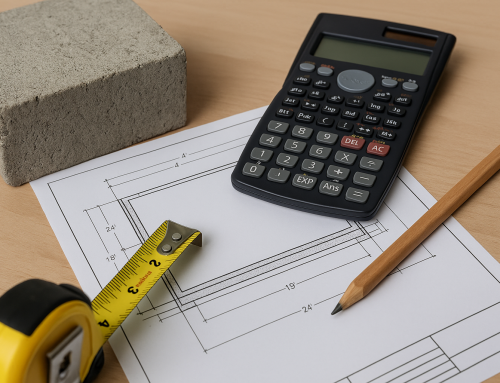
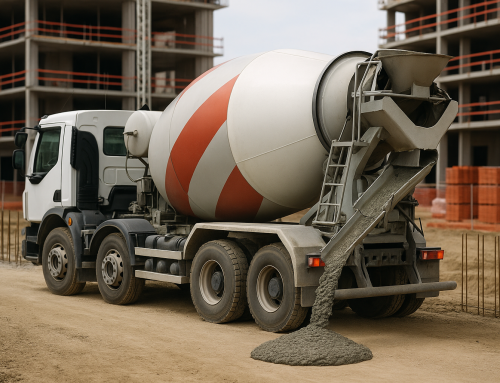
Basic materials include concrete mix (or ready-mix), reinforcing steel or wire mesh, form lumber, gravel for a base, and curing compounds. Common tools are a concrete mixer (or truck delivery), trowels, floats, edgers, a screed board, level, and a concrete saw for control joints.
Installation Process
Site Preparation
Excavate the step footprint and install a compacted gravel base for drainage and stability. Set forms accurately to the planned rise and run. If attaching to a porch or slab, ensure proper tie-ins and reinforcement.
Reinforcement and Pouring
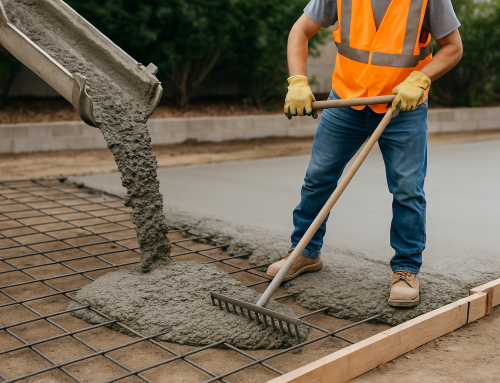
Use rebar or wire mesh to reduce cracking and improve structural performance. Pour concrete into the forms, consolidate it to remove air pockets, then screed it level across the top edge. For multiple steps, pour each tread and riser with attention to consistent heights.
Finishing and Curing
After screeding, float and edge the steps to shape treads and nosings. Choose a broom finish for traction or use stamping tools if applying a pattern. Cure the concrete for several days—keeping it moist or using curing compounds—to reach intended strength and minimize cracking.
Finishing Options
Broom Finish
A broom finish is quick, inexpensive, and slip-resistant—ideal for exterior steps.
Exposed Aggregate and Stamped Concrete
Exposed aggregate reveals decorative stones for a rugged look, while stamping can imitate tile or natural stone. Both provide visual interest but require more skill and finishing time.
Coloring and Sealing
Integral color, concrete stains, or dyes can warm up gray concrete. Sealers protect the surface from stains, freeze-thaw damage, and wear, extending the life of the steps.
Maintenance and Repair
Routine Cleaning
Sweep and wash steps periodically. For stains, use a mild detergent and a stiff brush; avoid harsh acid cleaners unless you know the product is safe for your finish.
Crack Repair and Spalling
Small cracks can be filled with concrete patch or epoxy. For spalling or larger structural issues, consult a professional—especially if reinforcing steel is exposed or steps have shifted.
Winter Care
Use calcium chloride rather than sodium chloride for deicing, as rock salt can accelerate surface deterioration. Remove snow promptly to prevent freeze-thaw cycles that damage concrete.
Cost and Time Estimates
Costs vary by region, materials, and complexity. A basic set of small exterior steps can be modestly priced for DIY installation, while custom or ornate finishes increase labor and material costs. Precast options can save time but may have higher material and delivery costs.
DIY vs Professional
DIY is feasible for straightforward, small steps if you have carpentry skills for forms and can manage concrete placement. For larger flights, complex reinforcement, or decorative finishes, hiring an experienced contractor reduces risk and ensures code compliance.
Common Mistakes and Tips
- Skipping proper compaction under the base can lead to settling and uneven steps.
- Ignoring local codes for rise/run or handrail requirements can cause safety issues and failed inspections.
- Not curing concrete properly often leads to premature cracking and surface weakness.
- Plan for drainage—standing water will damage steps over time.
Conclusion
Concrete steps are a durable, customizable choice for both functional and decorative needs. With careful planning—proper dimensions, reinforcement, finishing, and maintenance—you can create safe, long-lasting steps that complement your home and landscape. When in doubt, consult a professional to ensure safety and code compliance.