Introduction
Stone and masonry have shaped human environments for millennia. From ancient temples to modern patios, masonry combines durability, beauty, and versatility. This guide walks through the essential types of stone, common masonry techniques, design uses, maintenance tips, and what to consider when hiring a mason.
Types of Stone and Materials
Natural vs. Engineered Stone
Natural stone is quarried directly from the earth and includes varieties like granite, limestone, sandstone, and slate. Each offers unique color, texture, and performance characteristics. Engineered stone (such as quartz composites) blends crushed stone with resins to provide uniform appearance, increased stain resistance, and predictable sizing—useful for countertops and indoor finishes.
Common Natural Stone Types
- Granite: Extremely durable and heat-resistant; ideal for kitchen countertops and exterior cladding.
- Limestone: Soft, workable, and warm-toned; common in flooring, facades, and heritage restoration.
- Sandstone: Good for paving and walls; available in earthy hues and often used in rustic landscapes.
- Slate: Durable with a natural cleft surface; popular for roofing, flooring, and outdoor steps.
- Marble: Elegant and classic, but softer and more porous—best for decorative interiors and careful applications.
Masonry Techniques and Principles
Mortar-Based Masonry
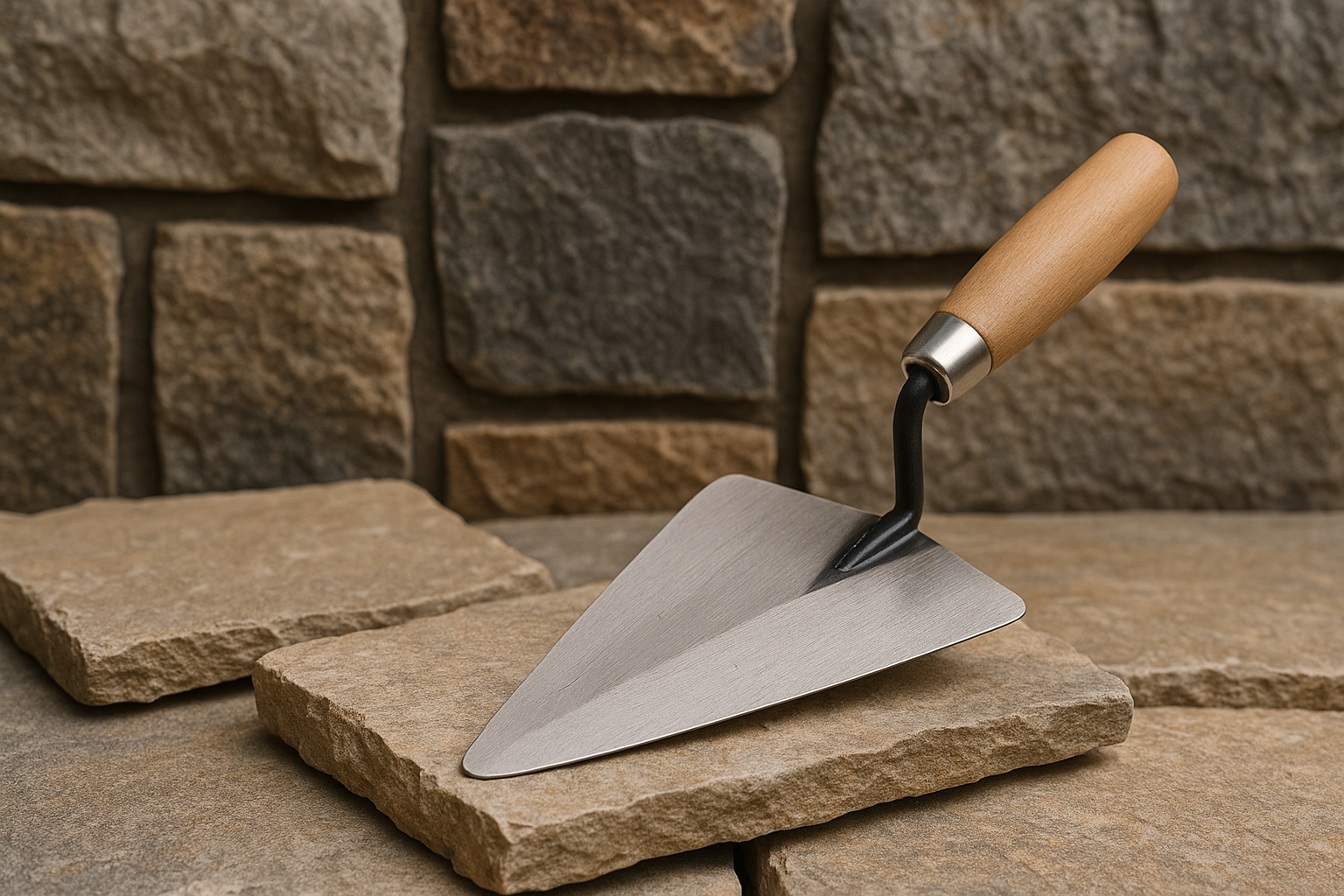
Mortar-based masonry uses a binding mortar—commonly cement-lime or lime-only mixes—to join stones or bricks. Mortar strength, joint thickness, and color influence both structural integrity and aesthetics. Properly mixed and cured mortar provides weather resistance and long-term stability.
Dry-Stacking and Interlocking Systems
Dry-stacked stone uses no mortar; stones are precisely shaped and stacked to interlock and rely on gravity and friction. This technique suits retaining walls and decorative features. Interlocking manufactured pavers and blocks mimic this look while providing consistent sizing and faster installation.
Repointing and Restoration
Older masonry may require repointing—the careful removal of deteriorated mortar and replacement with a compatible mix. For historic stonework, using lime-based mortars helps the wall breathe and prevents damage that stiffer cement mortars can cause.
Design and Application Ideas
Stone can be both functional and decorative. Consider these common applications:
- Exterior Walls and Cladding: Natural stone veneers create timeless facades and visual weight for buildings.
- Patios and Pathways: Paving with flagstone, bluestone, or sandstone produces durable, slip-resistant outdoor surfaces.
- Garden Walls and Retaining Walls: Dry-stack walls integrate naturally into landscapes and provide practical soil retention.
- Fireplaces and Feature Walls: Stone fireplaces add warmth and become focal points indoors or out.
- Countertops and Wet Areas: Choose appropriate stone and finishing—sealed granite and engineered stone withstand kitchen and bathroom use.
Maintenance and Long-Term Care
Cleaning Best Practices
Regular sweeping and rinsing keep stone surfaces looking their best. Use pH-neutral cleaners for most natural stones; avoid acidic cleaners on limestone and marble. For outdoor hardscape, low-pressure power washing can remove grime—avoid high pressures that can erode joints and softer stones.
Sealing and Protection
Sealants can reduce staining and water penetration, but they do not make stone waterproof. Choose breathable sealers for exterior masonry and reapply according to the manufacturer’s timeline and your local climate conditions.
Repairing Damage
Small chips and cracks can often be filled or patched. For structural issues, such as bulging walls or significant settling, consult a qualified mason or structural engineer to diagnose and specify repairs.
Hiring a Mason and Project Planning
What to Ask a Mason
- Do you have experience with this type of stone and the specific application?
- Can you provide references and photos of previous work?
- What materials, mortar mixes, and sealers do you recommend and why?
- What is the projected timeline, warranty, and payment schedule?
Cost Considerations
Costs vary by stone type, labor intensity, site access, and finish complexity. Natural stone and custom carving increase material and labor costs, while manufactured stone or veneers can be more budget-friendly. Obtain multiple estimates and ensure each includes material specifications and a clear scope of work.
Conclusion
Stone and masonry offer enduring beauty and functional strength for both interior and exterior projects. By understanding stone types, masonry techniques, maintenance needs, and how to select a qualified professional, you can make lasting choices that enhance your property. Thoughtful planning and proper care will keep stonework looking great for decades.