What is a Stone Mason?
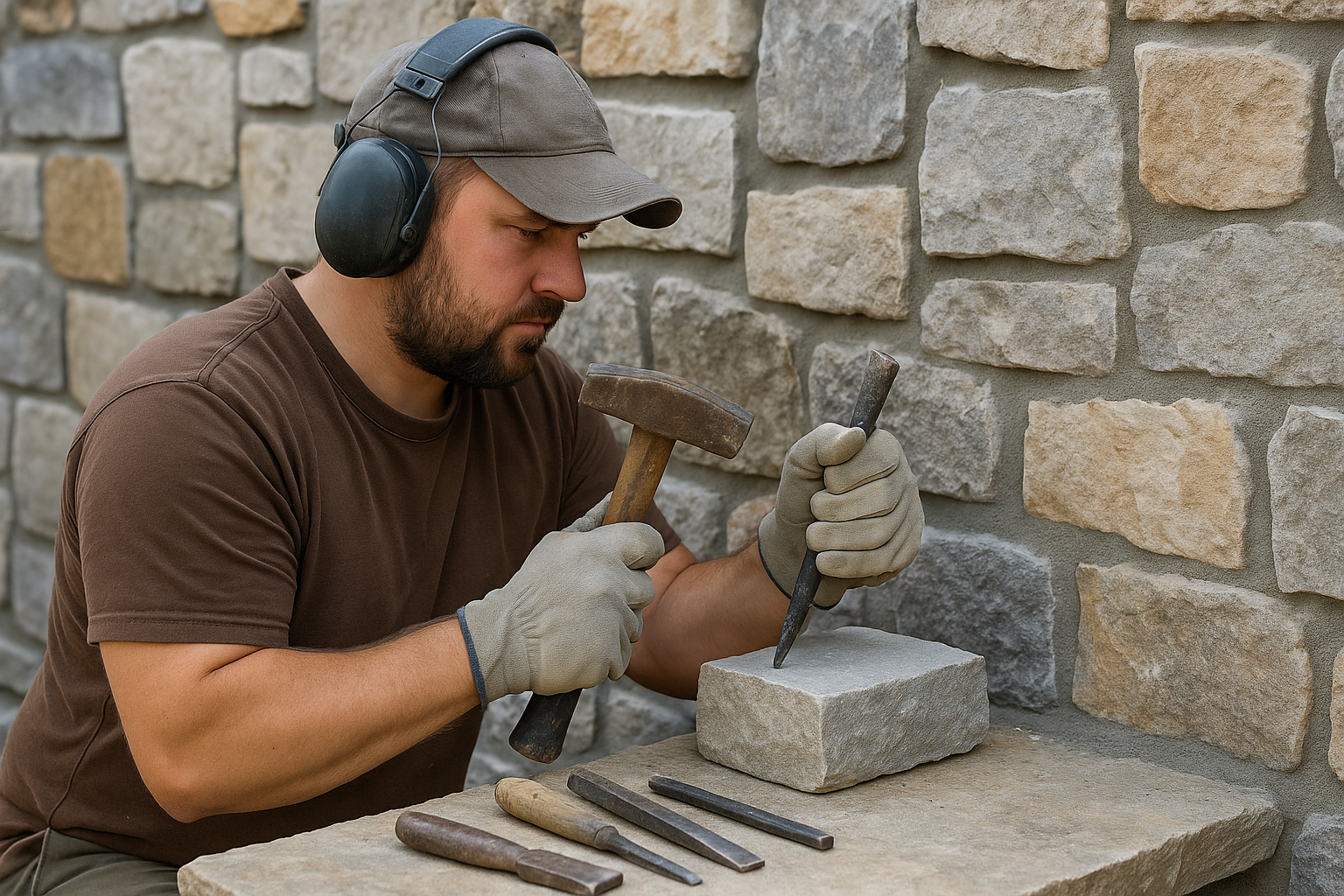
A stone mason is a skilled tradesperson who shapes, cuts, and places natural or manufactured stone to build or repair structures. From load-bearing walls and foundations to decorative veneers, chimneys, and garden features, stone masons combine technical knowledge, craftsmanship, and an eye for aesthetics to create durable and beautiful work.
History and Tradition of Stone Masonry
Stone masonry is one of the oldest building trades. Historic cathedrals, bridges, and monuments showcase traditional techniques passed down through generations. While modern tools and materials have evolved, many core principles—precision, understanding of materials, and patience—remain central to the craft.
Core Skills and Training
Becoming a competent stone mason requires a mix of formal training, apprenticeship, and on-the-job experience. Good masons develop both technical and soft skills.
Technical skills
- Stone selection and identification: knowing properties like porosity, strength, and weather resistance.
- Cutting and dressing stone: using chisels, saws, and grinders to shape stones precisely.
- Mortar mixing and application: choosing appropriate mixes for bonding and durability.
- Structural understanding: creating stable load-bearing elements and accommodating movement and drainage.
Design and estimation
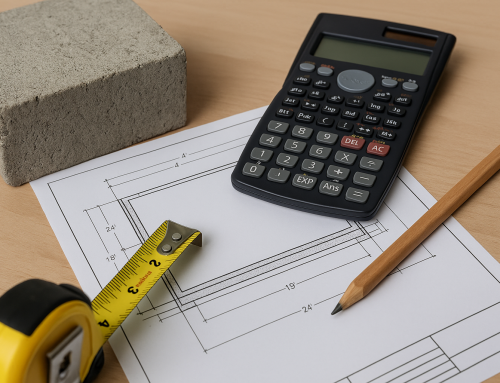
Successful masons read plans, estimate quantities and costs, and lay out work accurately. Many also advise on design choices that balance aesthetics, longevity, and budget.
Tools and Materials
Stone masonry blends hand tools with power equipment. Choosing the right material and tool for the job is essential.
Traditional tools
- Chisels and mallets for shaping.
- Hammers and pointing tools for finishing mortar joints.
- Trowels, levels, and plumb lines for precise placement.
- Saws and grinders for cutting modern stone or veneer units.
Common stones and materials
Granite, limestone, sandstone, and slate are common natural stones. Manufactured stone veneer and concrete-based units offer consistent sizing and lower cost for many projects. Mortars, adhesives, and sealants complement the stone selection and must suit the local climate and substrate.
Common Projects and Applications
Stone masons work across residential, commercial, and restoration projects. Their expertise suits both structural and decorative applications.
Structural masonry
Load-bearing walls, foundations, columns, and arches require careful engineering and experienced masons to ensure long-term stability and safety.
Decorative and landscape masonry
Stone veneer, fireplaces, patios, garden walls, steps, and retaining walls are typical landscape and interior applications where aesthetics and functionality intersect.
Restoration and conservation
Historic masonry repair demands specialized knowledge of traditional mortars and techniques to preserve character while preventing further deterioration.
The Stone Masonry Process (Step-by-Step)
- Assessment and planning: Site evaluation, material selection, and cost estimate.
- Preparation: Proper foundation or substrate prep, drainage planning, and layout marks.
- Cutting and fitting: Shape stones to fit the design and ensure tight joints.
- Placement and bonding: Set stones with appropriate mortar or mechanical anchors, checking level and alignment continuously.
- Finishing: Tool joints, clean excess mortar, apply sealers if needed, and allow proper curing time.
Safety, Maintenance, and Longevity
Stonework is durable but not maintenance-free. Regular inspections for cracked mortar, settled stones, or water infiltration prevent small issues from becoming costly repairs. Safety on site includes using PPE, securing heavy stones, and following proper lifting techniques to avoid injury.
Hiring a Stone Mason vs. DIY
Small decorative projects and simple veneer installations may be suitable for skilled DIYers, but structural elements, historic repairs, and complex layouts are best left to professionals. A qualified mason brings material knowledge, precise techniques, and problem-solving experience that reduce risk and ensure a lasting result.
Cost Considerations and Value
Stone masonry often costs more upfront than some alternatives, especially for natural stone and skilled labor. However, stone adds long-term value through durability, low maintenance, and aesthetic appeal. When budgeting, consider material costs, labor hours, site prep, and potential permit or engineering fees.
Conclusion
Stone masons blend craftsmanship, engineering, and an understanding of materials to create work that stands for decades—sometimes centuries. Whether you’re planning a new stone wall, a fireplace, or restoring historic masonry, knowing what masons do and what to expect will help you choose the right approach and ensure lasting results.