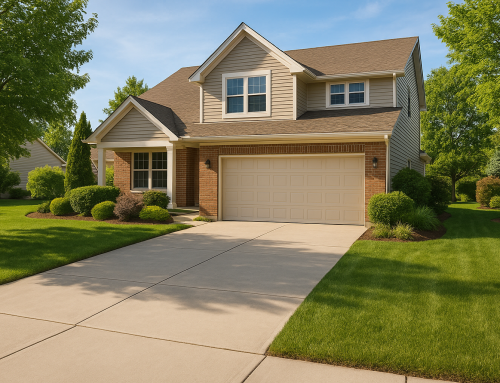
Well-built concrete and masonry can make a home safer, more functional, and more attractive. From a smooth new driveway to a stone retaining wall, these features need to stand up to everyday use and local weather. If you are planning a project in Suffolk County, understanding the materials, preparation, and contractor selection process can help you make a confident investment.
What Concrete and Masonry Work Can Include
Concrete and masonry cover a wide range of residential improvements. Concrete is often used for driveways, walkways, patios, steps, garage floors, and foundations. Masonry typically involves materials such as brick, stone, and concrete block, used for walls, outdoor features, steps, and repairs.
Some projects combine both trades. A patio, for example, may include a concrete base with a stone or paver finish. A retaining wall may use masonry materials while relying on a properly prepared footing and drainage system. Planning the complete project—not just the visible surface—helps ensure the finished work performs as intended.
Popular Suffolk Concrete & Masonry Projects
Driveways and walkways
A driveway or walkway should offer reliable footing, convenient access, and a finish that complements the property. Concrete can be poured in different shapes and finishes, while pavers and masonry provide additional design options. The right choice depends on the look you want, how much traffic the area receives, and the maintenance you are prepared to handle.
Patios and outdoor living areas
A well-planned patio can create a practical space for dining, relaxing, or entertaining. Consider how people will move between the house, yard, and seating areas. Include details such as steps, borders, and drainage in the design so they feel intentional rather than added as an afterthought.
Steps, walls, and repairs
Concrete steps and masonry walls need stable support and careful construction. Repairs may address cracked surfaces, loose bricks, worn joints, or movement in a wall. The visible damage is not always the whole problem, so a contractor should assess the underlying cause before recommending a repair.
Why Site Preparation Matters
Long-lasting concrete and masonry begin below the finished surface. Before work starts, the contractor should assess access, soil conditions, grading, existing structures, and the way water moves across the property. The site may need excavation and a compacted base before concrete is poured or masonry is installed.
Drainage deserves particular attention. Water that collects near a slab, foundation, or wall can contribute to wear and movement over time. A sensible design directs water away from structures and avoids creating low spots. In Suffolk County, seasonal temperature changes and periods of wet or freezing weather also make good preparation important. Ask how the planned base, reinforcement, joints, and drainage details suit your specific site.
Choosing Materials and Finishes
There is no single best material for every project. Poured concrete can provide a clean, continuous surface and may be finished in several ways. Brick and natural stone offer distinctive colors and textures, while pavers provide a modular surface that can make individual units easier to replace if needed. Concrete block is commonly used where a strong, practical wall system is appropriate.
Compare samples in the setting where they will be installed, and think about how the finish will look beside your home, landscaping, and neighboring hardscape. Also ask about maintenance, expected wear, and whether the selected material is appropriate for the intended use. A decorative finish may look appealing, but it should still provide suitable traction and durability.
How to Choose a Concrete and Masonry Contractor
Look for a contractor with experience in the type of work you need, a clear written proposal, and a process for communicating during the project. Ask for examples of comparable work and, when possible, speak with past customers. Confirm that the contractor carries appropriate insurance and clarify who is responsible for permits or other approvals that may apply.
A useful estimate should describe the scope of work, materials, preparation, finish, cleanup, payment schedule, and any exclusions. If the proposal simply lists a total price, request more detail. Comparing written scopes helps you understand whether bids cover the same work rather than judging by price alone.
Before signing, ask practical questions: How will the site be protected? Where will runoff go? What happens if excavation reveals an unexpected condition? When can the area be used after installation? Clear answers help set realistic expectations and reduce misunderstandings.
Understanding Project Costs and Timing
The cost of Suffolk concrete and masonry work varies with the project size, material choice, access, excavation needs, site conditions, design details, and any demolition or repair involved. Features such as curves, borders, steps, or decorative finishes may also affect the estimate. A site visit is usually more useful than relying on a general price per square foot.
Timing depends on the scope of work, weather, material availability, and the preparation required. Concrete also needs appropriate time to cure before it is exposed to full use. Your contractor should explain what access restrictions to expect and provide care instructions for the new surface or structure.
Maintaining Concrete and Masonry
Routine care can help preserve both appearance and function. Keep surfaces free of leaves and debris, watch for standing water, and address small issues before they grow. Follow the installer’s recommendations for cleaning, sealing, and winter care, since the right approach varies by material and finish. Avoid using harsh products or tools unless they are approved for the surface.
Inspect walls, joints, steps, and slabs periodically. New cracks, movement, loose units, or persistent pooling are worth checking with a qualified professional. Prompt attention may help identify a drainage or support issue before more extensive work is needed.
Conclusion
Successful concrete and masonry work combines a suitable design with sound preparation, appropriate materials, and careful installation. For a Suffolk County project, take time to compare detailed proposals, discuss drainage and site conditions, and understand how to care for the finished work. A well-planned improvement can serve your home for years while adding useful outdoor space and lasting curb appeal.