Why Choose a Concrete Driveway?
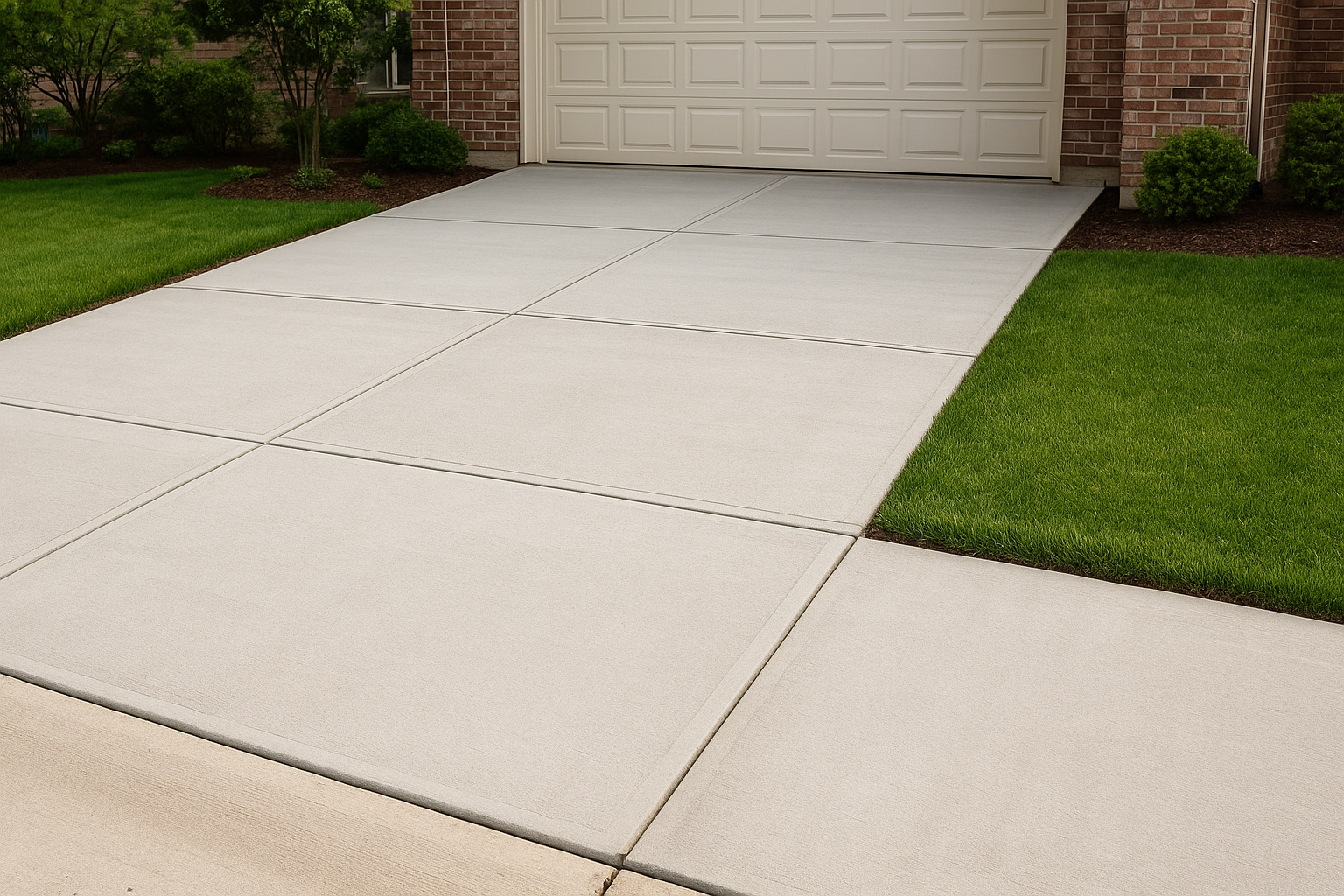
Concrete driveways are a popular choice for homeowners because they are durable, low maintenance, and versatile in appearance. Compared with gravel or asphalt, concrete offers a longer lifespan and greater resistance to oil stains and rutting. It can also be finished in many styles, from classic broomed surfaces to stamped and colored finishes that mimic stone or pavers.
Benefits and Drawbacks
Benefits
- Longevity: Properly installed concrete driveways often last 25 to 40 years.
- Low maintenance: Routine cleaning and periodic sealing are usually sufficient.
- Versatility: Finish options include stamped, colored, exposed aggregate, and smooth.
- Load-bearing capacity: Thicker concrete can handle heavy vehicles and equipment.
Drawbacks
- Initial cost: Concrete typically costs more up front than gravel or basic asphalt.
- Cracking: Without proper control joints and subbase, cracks can form over time.
- Long cure time: Concrete needs several days to cure before normal use.
Planning and Design
Sizing and Layout
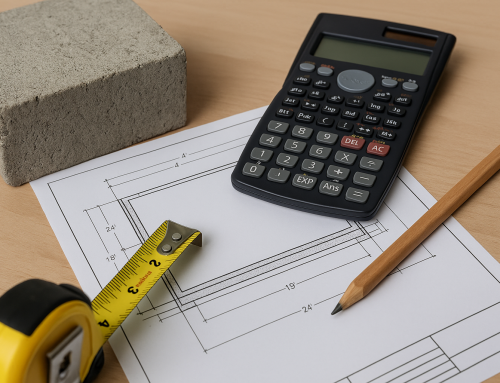
Start by measuring the area you want paved. Standard single-car driveways are about 9 to 12 feet wide; two-car driveways are commonly 18 to 24 feet wide. Consider turning radii, walkways, and access to garages or sheds when laying out the shape.
Permits and Local Codes
Check with your local municipality for required permits, setback rules, and drainage regulations. Some neighborhoods or homeowner associations also have design guidelines you must follow.
Drainage and Slope
Proper drainage is essential. The driveway should slope slightly away from structures to prevent water pooling. Plan for gutters, trench drains, or grading to direct runoff to appropriate areas.
Materials and Types
Concrete Mix and Reinforcement
Typical driveway concrete is between 3,000 and 4,000 psi for residential use. Reinforcement improves crack resistance; options include steel rebar, welded wire mesh, or fiber reinforcement blended into the mix. The right choice depends on thickness and expected loads.
Finish Options
- Basic broom finish: Provides traction and a clean look.
- Stamped concrete: Can mimic brick, stone, or tile patterns.
- Colored concrete: Integral pigments or stains create a custom look.
- Exposed aggregate: Reveals decorative stones for a textured finish.
Installation Process
Site Preparation
Excavate the area to remove topsoil and create a uniform subgrade. A compacted gravel or crushed stone base (typically 4 to 8 inches) provides stability and drainage.
Forming and Reinforcement
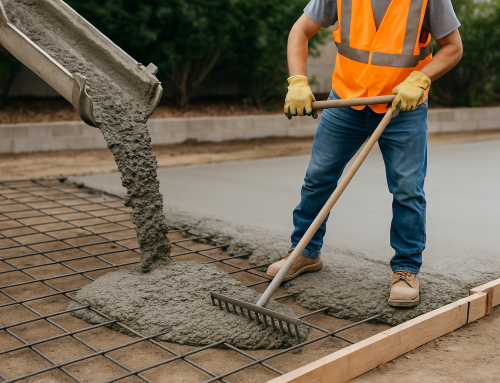
Install forms to hold the concrete edges and add reinforcement as specified. Place control joints to manage cracking; these are typically spaced 8 to 12 feet apart depending on slab thickness and mix.
Pouring and Finishing
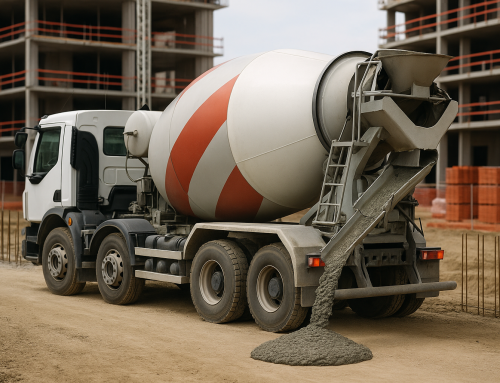
Pour the concrete, screed it level, and apply the chosen finish. Allow the concrete to set, then cure it properly with curing compounds or moisture retention methods for at least 7 days to achieve strength and reduce cracking.
Maintenance and Repair
Routine Care
Keep the surface clean by sweeping and pressure washing occasionally. Remove oil and grease quickly using appropriate cleaners to prevent staining.
Sealing
Apply a penetrating or film-forming sealer every 2 to 5 years depending on exposure and finish. Sealing helps resist stains, deicing salts, and surface wear.
Crack Repair
Small hairline cracks can be filled with concrete caulk or patching compounds. Larger cracks or spalling areas may require cutting out the damaged section and patching or, in extreme cases, replacing the slab or panel.
Costs and Lifespan
Cost Factors
Costs vary by region, slab thickness, reinforcement, surface finish, and site preparation. Basic concrete driveways are generally more expensive than asphalt but offer longer life and lower maintenance over time. Decorative options like stamping or coloring add to the cost.
Expected Lifespan
With proper installation and maintenance, a concrete driveway can last 25 to 40 years. Heavy use, poor subbase, freeze-thaw cycles, or lack of joints and reinforcement can shorten that lifespan.
Tips for Homeowners
Choosing a Contractor
Hire a licensed contractor experienced in residential concrete work. Ask for references, photos of past projects, and a written estimate that includes subbase preparation, reinforcement details, finishing, and curing methods.
DIY Considerations
Small projects like short aprons or repairs may be doable for experienced DIYers, but full driveway pours require specialized equipment, timing, and manpower. If you choose to DIY, plan carefully for forming, reinforcement, and curing, and consider renting professional tools.
Conclusion
A concrete driveway is a long-lasting, attractive investment that can improve curb appeal and functionality. With proper planning, a quality installation, and routine maintenance, you can enjoy a durable driveway that meets your needs for decades. Whether you choose a simple broom finish or a decorative stamped design, attention to subgrade, reinforcement, and drainage will determine long-term performance.