Trusted Concrete Services in Tuckahoe, NY
If you’re planning a concrete project in Tuckahoe, NY—whether it’s a new driveway, a sidewalk replacement, a patio, or a foundation repair—you want a contractor who understands local property needs and takes pride in clean, reliable workmanship. Long Island Mason & Concrete serves Tuckahoe and nearby communities with practical, results-focused concrete solutions.
Working with a local team can make a difference when it comes to scheduling, jobsite communication, and choosing the right concrete approach for the way your property is used. From surface-level improvements that boost curb appeal to structural repairs that help protect your investment, the goal is the same: concrete that’s built to last and designed to fit your space.
This page is here to help you access concrete services close to home. You’ll find guidance on what to consider before the job starts, the types of concrete work commonly requested by Tuckahoe residents, and how to request an estimate so you can move forward with confidence.
Local Concrete Options for Tuckahoe Homeowners and Property Managers
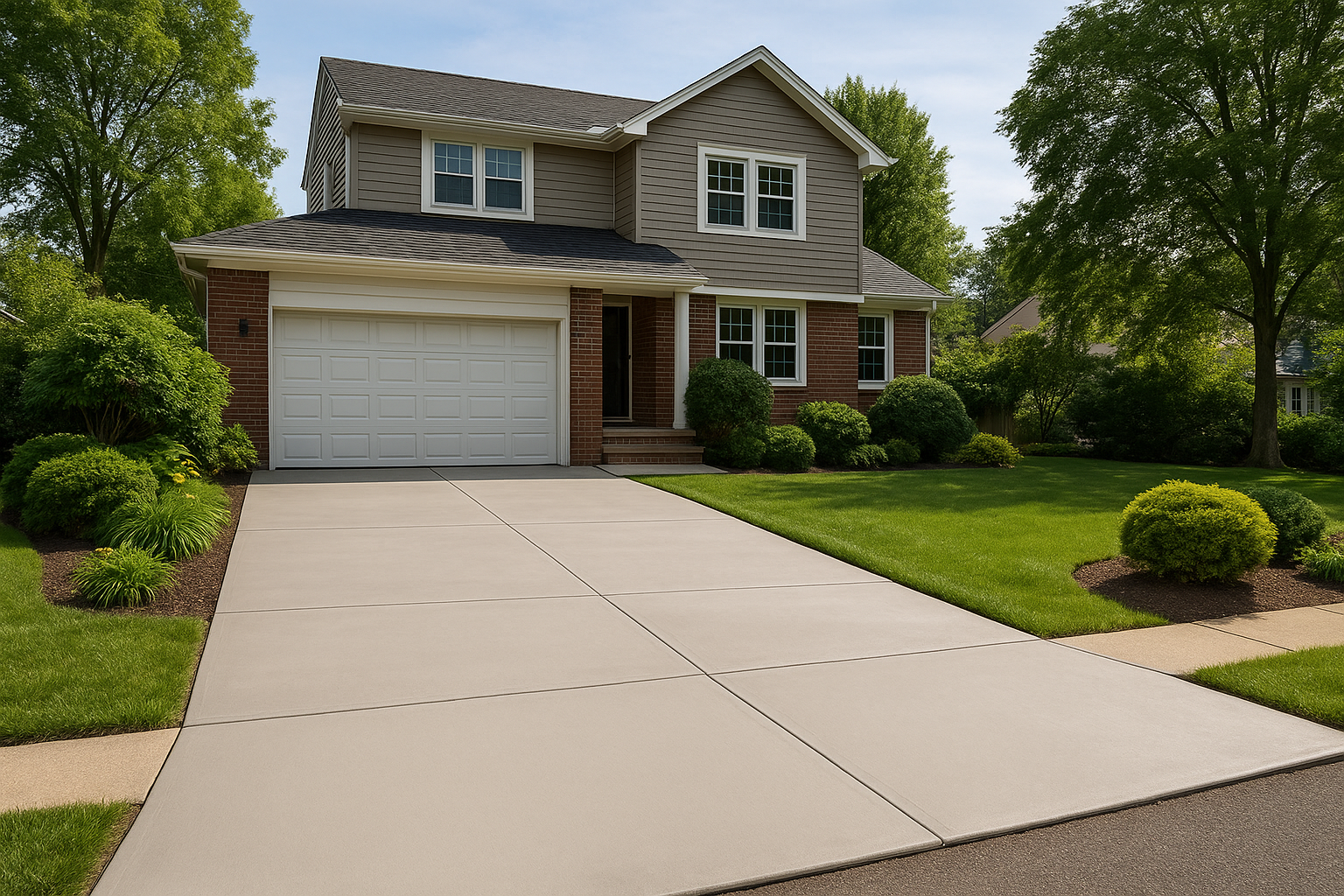
Concrete touches many parts of everyday life around Tuckahoe—driveways, walkways, stoops, patios, garage slabs, and more. Long Island Mason & Concrete can help you tackle both appearance-focused upgrades and functional repairs. The right solution depends on the project type, the condition of the existing concrete (if any), and how you want the area to perform for years to come.
-
Driveways and driveway repairs: Replace cracked or settled sections, improve ride and drainage, and create a smoother, more durable surface.
-
Sidewalks and walkways: Address trip hazards, worn edges, or uneven slabs and restore safe, clean walkways.
-
Patios and outdoor concrete: Enhance outdoor living with a finished look that matches your home and landscape.
-
Foundation and slab concrete work: Support long-term stability by addressing issues before they worsen.
-
Custom concrete finishes: Create the look you want while keeping durability front and center.
What to Expect When You Contact Long Island Mason & Concrete
Getting started is usually straightforward. A good first step is to share what you’re building or repairing, where the concrete will be located, and what concerns you most—such as safety, surface wear, uneven areas, or overall curb appeal. From there, the team can discuss a practical plan based on your needs.
In many cases, residents appreciate clear, jobsite-focused communication. You’ll want to understand key details like the scope of work, the preparation required, and how the project timeline will work on a property that’s already in use.
How to Choose the Right Concrete Approach
Not every issue calls for a full replacement, and not every surface upgrade needs the same preparation. When you talk with Long Island Mason & Concrete, consider asking about the approach that fits your situation, such as:
-
Repair vs. replacement: Whether the existing slab can be stabilized or if replacement is the safer long-term option.
-
Surface preparation: Proper cleaning, leveling, and base preparation help the finished concrete hold up.
-
Drainage and performance: Concrete longevity often depends on addressing water flow and preventing recurring problems.
-
Finish and look: Choose a style that complements your home and fits how the area is used.
Benefits of Working With a Local Concrete Contractor
When you hire a local team, you get a contractor who can respond to your questions and coordinate work more smoothly. Long Island Mason & Concrete focuses on getting the details right—so you’re not left dealing with rough edges, unclear expectations, or avoidable delays.
-
Better local coordination: Easier scheduling and communication for property owners in and around Tuckahoe.
-
Practical recommendations: Guidance on what will make the biggest difference for your project and long-term use.
-
Work you can see: Concrete improvements that enhance safety, curb appeal, and day-to-day functionality.
Requesting Help for Your Tuckahoe Concrete Project
If you’re ready to plan a driveway, walkway, patio, or concrete repair, the next step is to reach out. Share a quick description of the project and any photos you have, and Long Island Mason & Concrete can help you move forward with a clear path from idea to finished concrete.
Tuckahoe, NY: Concrete Solutions for Everyday Living
Tuckahoe, NY is a community where homeowners take pride in their properties and want improvements that fit the way families actually live. Concrete is often the backbone of a home’s exterior—helping define driveways for daily access, walkways for safe movement, and patios for outdoor gatherings. Over time, weathering, normal wear, and shifting ground can lead to cracks, uneven surfaces, or areas that no longer feel safe.
That’s where professional concrete work makes a difference. Long Island Mason & Concrete helps residents pursue practical solutions, whether that means repairing existing concrete to restore stability or replacing sections to improve both function and appearance. A well-planned job can enhance curb appeal while also supporting everyday safety.
For Tuckahoe property owners looking for a local, reliable partner, working with a contractor who understands exterior concrete demands can help you get a project completed with clear communication and workmanship you can count on.
Frequently Asked Questions About Concrete in Tuckahoe, NY
How do I choose the right type of concrete for my project in Tuckahoe, NY?
Choosing the right concrete starts with your use and exposure. For driveways and sidewalks, you’ll typically want a mix designed for durability and freeze-thaw resistance. For patios or flooring, consider surface finish and appearance—smooth, broom-finished, or stamped. Ask contractors to match the mix to thickness, reinforcement needs, and local conditions. If you’re unsure, describe your plans (vehicle traffic, drainage, desired look) and they can recommend an appropriate spec.
What causes concrete to crack, and can it be prevented?
Concrete commonly cracks due to shrinkage as it cures, temperature changes, and inadequate jointing or base preparation. Freeze-thaw cycles can also worsen cracking if water gets trapped under the slab. Prevention focuses on proper subgrade compaction, using the right mix, controlling curing conditions, adding control joints at the correct intervals, and ensuring good drainage. While minor cracking can still happen, good installation reduces the risk of structural or widespread problems.
Do I need reinforcement for a driveway, garage floor, or patio?
Reinforcement depends on slab thickness, soil conditions, and expected loads. Many residential slabs benefit from reinforcement such as rebar or welded wire mesh, especially for areas that see vehicle traffic or heavier equipment. Reinforcement also works with correct base preparation and joint placement to limit cracking and help the slab perform over time. A concrete contractor should evaluate your layout, thickness plan, and subgrade before deciding what’s appropriate for your project.
How long will new concrete take to cure before I can use it?
Curing time varies by mix design, weather, thickness, and whether you’re sealing or applying a special finish. Concrete typically needs time to reach sufficient strength before foot traffic, and significantly longer before vehicles or heavy loads. Contractors often use timeframes plus curing conditions (temperature and moisture) rather than a single date. Ask about the specific schedule for your slab thickness and finish so you can plan around driveway or patio use without damaging the surface.
What’s the best way to maintain and clean concrete to keep it looking good?
Routine maintenance starts with keeping water away from the slab and cleaning regularly. Sweep debris, and for stains use appropriate cleaners that won’t damage the concrete or any sealant. Avoid harsh chemicals that can dull finishes or react with sealers. For exterior concrete, consider sealing if the surface is suited for it; sealing can help reduce staining and make cleaning easier. Address small spalls or joint gaps early to reduce water intrusion.