Wantagh, NY Concrete Specialists
Concrete projects need more than a strong mix—they need know-how, careful planning, and workmanship that holds up in real weather. If you’re in Wantagh, NY, and you’re looking to repair, replace, or upgrade a concrete surface, working with a local team can make scheduling and communication easier from start to finish.
Long Island Mason & Concrete serves Wantagh and nearby communities, helping residents and property owners handle everything from concrete foundations and flatwork to patios, sidewalks, and other masonry-related improvements. Whether your concrete is cracked, uneven, worn from daily use, or simply ready for an upgrade, professional concrete work can restore curb appeal, improve function, and support long-term durability.
This page walks you through practical ways to access concrete services locally—what to have ready when you reach out, how site conditions can affect your project, and why choosing an experienced crew matters for successful results on Long Island. If you’re comparing options, you’ll also find helpful guidance on timing, maintenance, and what a clear process looks like with a dependable contractor.
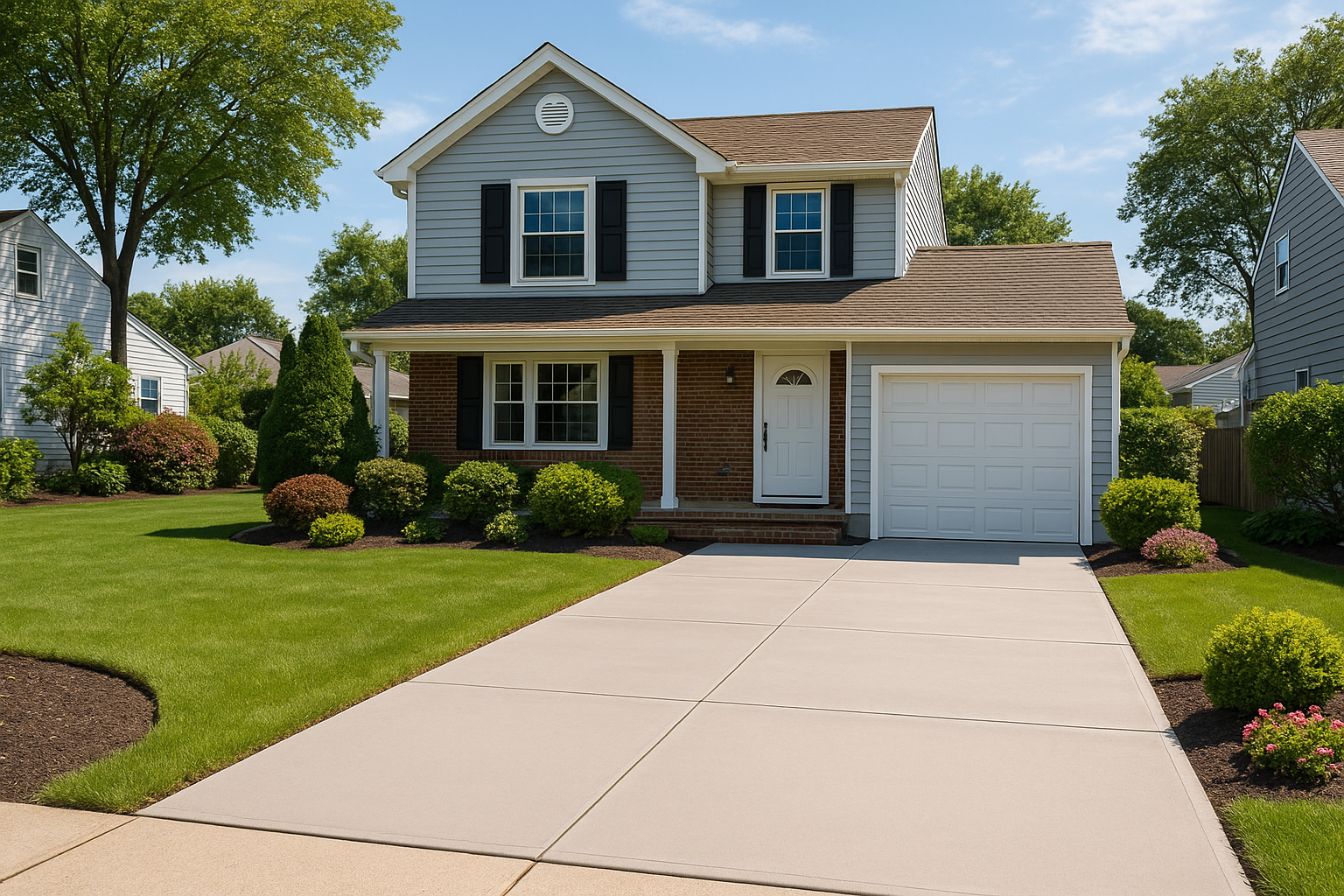
Local Concrete Services for Wantagh Homeowners
Concrete work around Wantagh is often influenced by coastal weather swings, seasonal freeze-thaw cycles, and everyday wear from vehicles, foot traffic, and landscaping. When concrete is left untreated, small issues can turn into larger problems—like spreading cracks, trip hazards, or water-related deterioration. For the best outcome, you want a contractor who understands how to evaluate existing conditions and build or repair accordingly.
Long Island Mason & Concrete provides practical, resident-focused concrete and masonry services for Wantagh, including support for common flatwork and hardscape needs. The goal is to help you move from “we should fix that” to a clear plan you can feel good about.
How to Get Concrete Service in Wantagh
Getting started is usually straightforward. Here are a few steps that can help you access local service quickly and efficiently:
-
Reach out with a brief project description. Tell us what you want to repair or build—sidewalks, driveway work, patio areas, or other concrete surfaces.
-
Share what you’re seeing (and where). If you have cracks, uneven sections, staining, or drainage concerns, mention those details. Photos can be helpful.
-
Plan for a site evaluation. A contractor may need to review the thickness, base conditions, slope/drainage, and nearby features before finalizing recommendations.
-
Discuss timing and access. Concrete projects often require preparation and careful sequencing. Let the team know about any scheduling needs for your household or property.
-
Confirm the scope and expectations. Ask about materials, finish options, curing considerations, and how the finished work will be cared for.
What to Expect From Professional Concrete Work
A dependable concrete contractor focuses on the full process, not just the pour. That includes evaluating the subgrade/base, addressing drainage and settling risks, and using appropriate finishing methods for the look and durability you want. For repairs, proper prep is key—patches that don’t account for the underlying cause can fail sooner than expected.
For new or upgraded concrete surfaces, professionals also plan for edge details, expansion considerations, and a finish that matches how the space is used. That’s especially important for areas exposed to frequent foot traffic, weather, or where vehicles routinely turn or park.
Common Concrete Projects in and Around Wantagh
Many Wantagh residents seek help with concrete and masonry improvements such as:
-
Concrete repairs for cracks, spalling, and worn surfaces
-
Sidewalk and walkway improvements to reduce trip hazards and refresh curb appeal
-
Patios and flatwork for functional outdoor living spaces
-
Driveway-related concrete work where unevenness or damage affects appearance and usability
Why Choose Long Island Mason & Concrete
Concrete is one of those home services where experience shows. Long Island Mason & Concrete works with residents in Wantagh to help clarify the right approach for each project, based on site conditions and the condition of existing surfaces. A local contractor also tends to be more responsive when questions come up during prep, scheduling, or finishing—important details for a project done right the first time.
If you’re ready to restore or upgrade your concrete surfaces, reaching out for a practical, localized plan is the fastest way to get moving.
Practical Tips Before You Call
-
Measure the affected area and note approximate dimensions.
-
Look for signs of drainage issues near the damaged concrete.
-
Take a few clear photos from different angles.
-
Make note of any areas that interfere with walking, parking, or landscaping.
About Wantagh, NY and Your Concrete Needs
Wantagh, NY is a town where homes and outdoor spaces are part of daily life—driveways, sidewalks, and patios see constant use and get exposed to a wide range of weather. Over time, that consistent demand can make concrete surfaces show wear, especially when water collects in low spots or when small cracks expand with seasonal changes.
Concrete service fits Wantagh homeowners well because strong results depend on understanding the local “real world” conditions: how surfaces settle, how drainage behaves, and how repairs or new work should be finished and cared for after installation. Whether you’re dealing with uneven sections, cracking, or simply want a refreshed hardscape, getting help early can prevent minor damage from becoming a bigger, more disruptive repair.
Long Island Mason & Concrete is a practical option for residents who want clear communication and a process designed around getting the project planned correctly. From initial details to the final finished surface, the focus is on durable, dependable concrete work that complements the way Wantagh properties are used every day.
Frequently Asked Questions About Concrete in Wantagh, NY
What’s the difference between concrete pouring, concrete resurfacing, and concrete replacement?
Concrete pouring is used for new slabs like patios, driveways, walkways, or steps. Resurfacing typically involves applying a topping, overlay, or patch system over existing concrete to improve appearance and address minor surface wear. Replacement removes and replaces sections or the entire slab when cracking, settlement, or spalling is advanced. A contractor will evaluate the condition of the base, drainage, and the extent of damage to recommend the right approach for the job in your driveway or outdoor area.
How do I prepare an existing driveway or patio before concrete work begins?
Preparation usually includes clearing the area of plants, debris, and loose materials. If you’re resurfacing or patching, the existing concrete must be cleaned and any failing coating, laitance, or deteriorated areas removed. For new concrete, the ground needs excavation and base preparation so the slab sits level and stable. Ask about how they’ll handle edges, forms, and any disposal of old material, especially if you have landscaping nearby.
What causes concrete to crack or sink, and how can I prevent it?
Cracking and sinking commonly stem from soil movement, improper base thickness, inadequate drainage, freeze-thaw effects, and uneven support under the slab. To reduce problems, concrete work should begin with proper subgrade preparation, correct base compaction, and proper thickness based on intended use. Expansion joints and control joints help manage shrinkage. It’s also important to ensure water flows away from the slab so it doesn’t undermine the base over time.
Can you repair spalling, scaling, or surface pop-outs without replacing the whole slab?
Often, yes—surface issues like spalling or scaling can sometimes be repaired with targeted patching or resurfacing when the underlying slab remains sound. Repairs may include removing loose or deteriorated concrete down to solid material, cleaning and bonding the edges, and restoring the surface with an appropriate patch system. However, if the slab has deep structural cracking or significant settlement, replacement or partial replacement may be the safer option to avoid recurring failure.
What should I consider for finishing and sealing concrete in outdoor areas?
Outdoor concrete finishes can affect slip resistance, appearance, and how easily stains clean up. Common options include broom finish for traction, trowel-finished surfaces for a smoother look, or stamped textures for decorative projects. Sealing can help reduce water absorption and staining, but it should be applied at the right time after curing and using the correct product for your surface type. Also consider drainage around patios and driveways to prevent moisture from pooling near the slab.