What Is a Concrete Worker?
A concrete worker is a construction tradesperson who prepares, pours, finishes, and cures concrete for foundations, slabs, sidewalks, driveways, and other structures. Also known as concrete finishers, cement masons, or concrete laborers depending on specific duties, these professionals turn raw cement mixes into durable, level surfaces that form the backbone of many buildings and infrastructure projects.
Typical Job Duties
Site Preparation
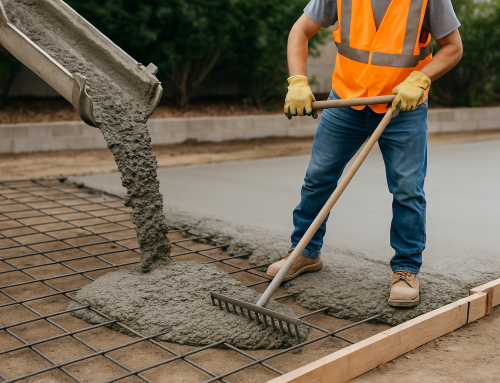
Before concrete is poured, workers grade and compact the soil, set up forms and rebar, and ensure proper drainage. Accurate site prep prevents settling, cracking, and water-related damage.
Mixing and Pouring
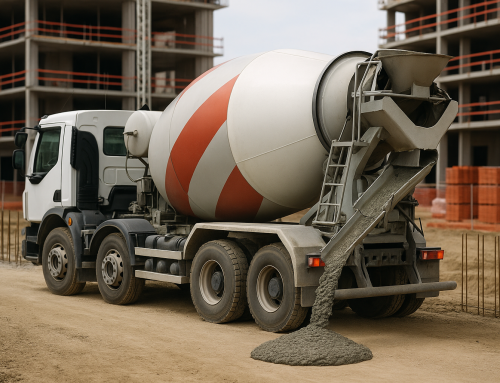
Concrete workers may mix concrete on site or coordinate with ready-mix suppliers. They pour the mix into forms, distribute it evenly, and remove air pockets to avoid weak spots.
Finishing and Curing
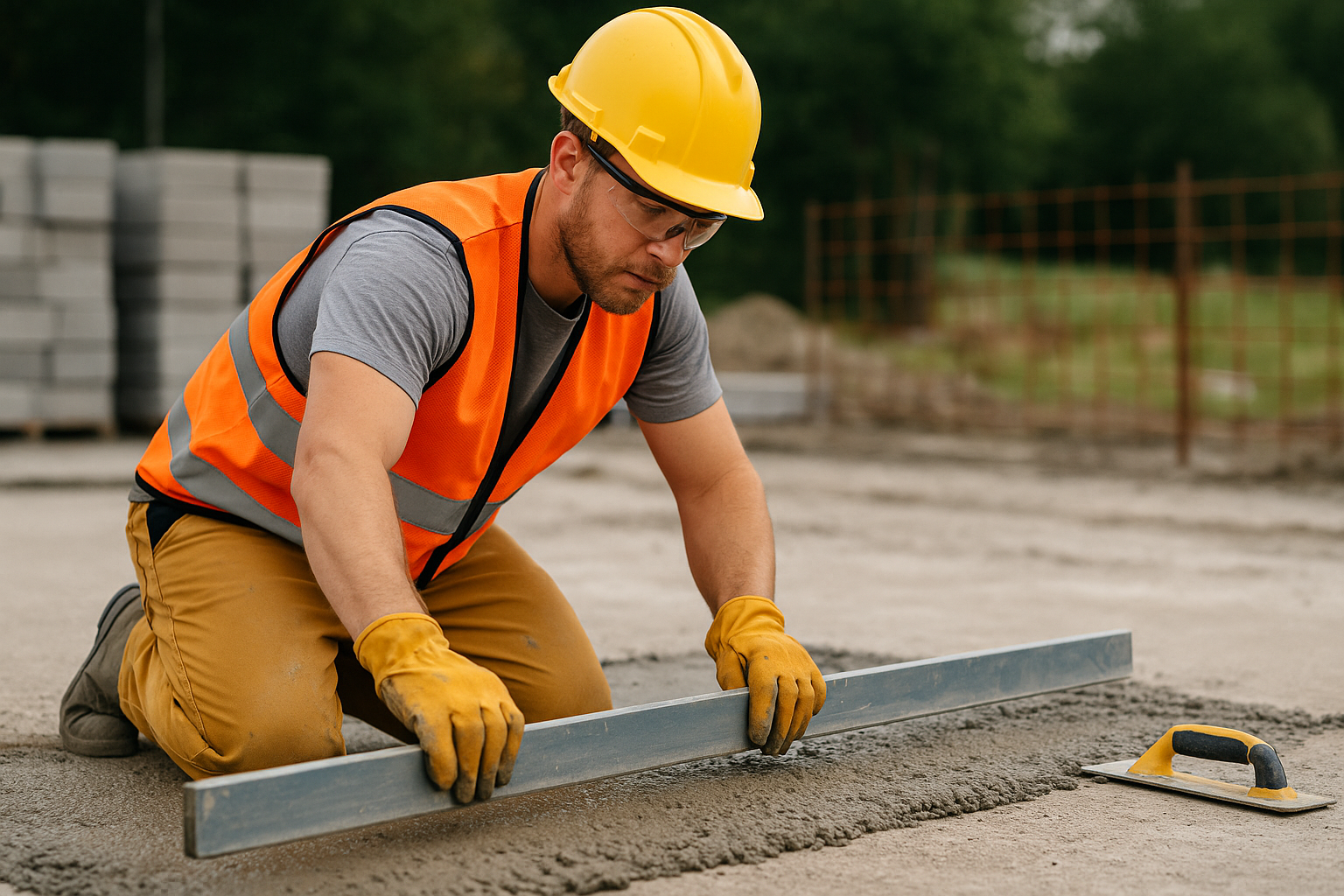
Finishing includes screeding (leveling), troweling (smoothing), and applying textures or control joints. Proper curing—moistening and protecting concrete—ensures strength and longevity.
Essential Skills and Qualities
Working with concrete demands a mix of physical ability and technical knowledge. Key skills include:
- Physical stamina and strength for lifting, kneeling, and standing for long periods.
- Attention to detail for leveling, measuring, and timing finishing operations.
- Mathematical skills for calculating volumes, slopes, and mixes.
- Problem-solving to handle weather, site constraints, or unexpected defects.
- Teamwork and communication to coordinate with laborers, foremen, and other trades.
Training and Education
Most concrete workers start with a high school diploma or equivalent, then learn on the job. Apprenticeships and vocational programs teach hands-on techniques, blueprint reading, and materials knowledge. Continuing education and certifications—such as OSHA safety or concrete finishing courses—enhance employability and career advancement.
Tools and Equipment
Concrete work requires a range of specialized tools and machinery, from hand tools to heavy equipment:
- Hand tools: trowels, floats, edgers, groovers, shovels, and screeds.
- Power tools: power trowels, concrete grinders, vibrators, and mixers.
- Heavy equipment: skid steers, concrete pumps, and trucks for large pours.
- Materials testing tools: slump cones, cover meters, and moisture probes.
Common Materials
Besides cement and aggregate, concrete workers handle admixtures that change setting time, strength, or workability, plus reinforcement materials like rebar, wire mesh, and fibers for added durability.
Safety and Working Conditions
Concrete work can be physically demanding and carries several hazards. Safety protocols are essential to reduce risk:
- Personal protective equipment (PPE): gloves, eye protection, respirators for dust, and steel-toed boots.
- Exposure concerns: wet cement can cause skin irritation; silica dust can damage lungs if inhaled frequently.
- Environmental factors: hot or cold weather affects curing and worker comfort; sun protection and hydration are critical in summer.
- Ergonomics: lifting guards, proper techniques, and team lifts help prevent strains and injuries.
Career Path and Compensation
Concrete workers can progress from entry-level laborer to skilled finisher, foreman, and even contractor or business owner. Specialized skills—such as stamped concrete, decorative finishes, or concrete restoration—command higher pay. Salaries vary by region, experience, and industry, with opportunities in residential, commercial, and public works projects.
Certifications and Advancement
Certifications from organizations like the American Concrete Institute (ACI) or local trade unions validate skills in testing, finishing, and inspection. Leadership roles often require project management ability and knowledge of building codes and inspection standards.
Tips for Employers and Homeowners
Hiring the right concrete worker ensures a durable outcome. Consider these tips:
- Check references and portfolios of past work, especially for decorative or stamped concrete jobs.
- Confirm licensing, insurance, and relevant certifications.
- Discuss timelines and curing plans—weather can extend schedules.
- Ask about warranty or maintenance recommendations to protect your investment.
A Day in the Life of a Concrete Worker
A typical day starts with site inspection and a safety briefing, followed by setting forms and preparing reinforcement. Concrete is poured during the scheduled window, then leveled, finished, and protected for curing. Throughout the day, workers coordinate with other trades, adjust to weather, and troubleshoot any issues that arise.
Conclusion
Concrete workers combine physical skill, technical knowledge, and attention to detail to create structures that last. Whether building a driveway or a commercial slab, their work is essential to safe, durable construction. For those considering the trade, concrete work offers hands-on satisfaction, steady demand, and opportunities for growth with the right training and safety focus.