Introduction
Concrete projects are a smart way to add strength, style, and long-term value to a property. Whether you are planning a new driveway, a patio, a walkway, or a simple repair, concrete offers a reliable foundation that can stand up to heavy use and changing weather. It is also one of the most versatile building materials available, making it a popular choice for homeowners, contractors, and DIYers alike.
From decorative finishes to structural applications, concrete can be adapted to fit many needs and design goals. The key is understanding the options, planning carefully, and using the right techniques from the start. With a solid approach, concrete projects can deliver lasting results that look good and perform well for years.
Why Concrete Projects Are Worth Considering
One of the biggest advantages of concrete is durability. When properly mixed, poured, and cured, concrete creates a hard surface that resists wear, moisture, and impact. This makes it ideal for high-traffic areas such as driveways, sidewalks, garage floors, and outdoor living spaces.
Concrete is also cost-effective over the long term. While the upfront installation cost may be higher than some alternatives, concrete often requires less maintenance and replacement. That can save money over time, especially in areas exposed to frequent use or harsh weather.
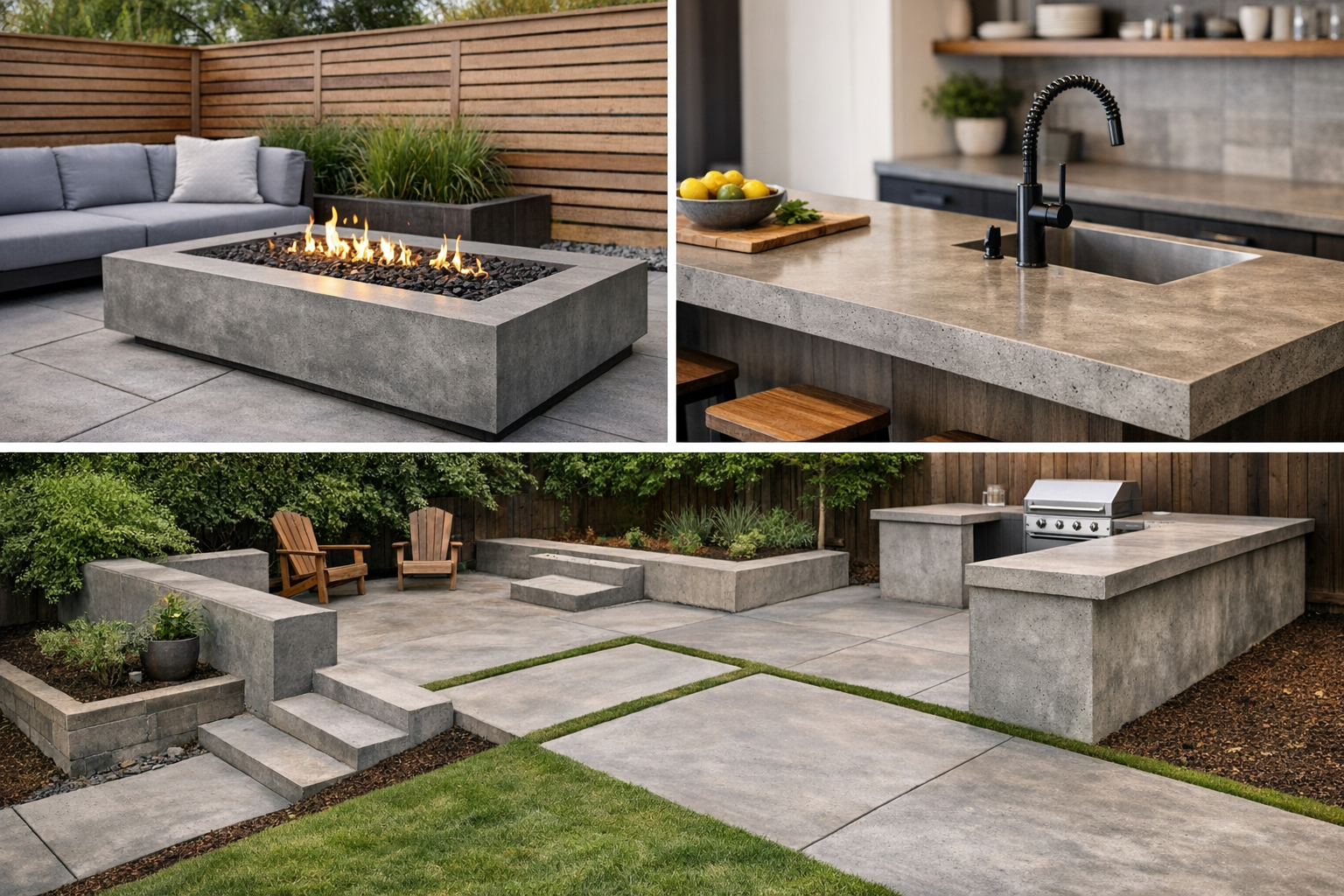
Another reason people choose concrete projects is flexibility. Concrete can be shaped into slabs, steps, retaining walls, countertops, planters, and decorative features. It can also be stamped, stained, polished, or textured to create a custom look that complements the home and landscape.
Popular Types of Concrete Projects
Driveways and Parking Pads
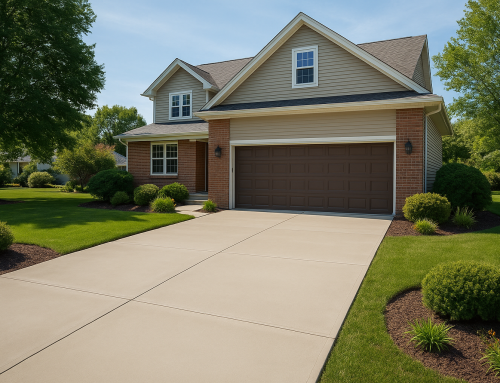
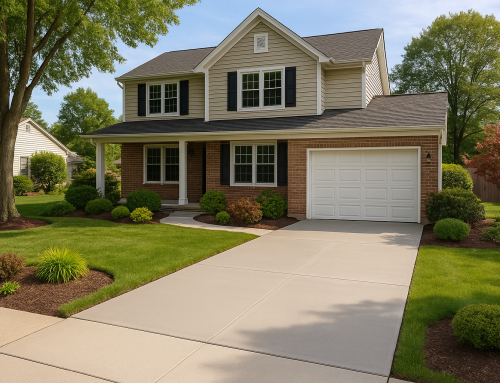
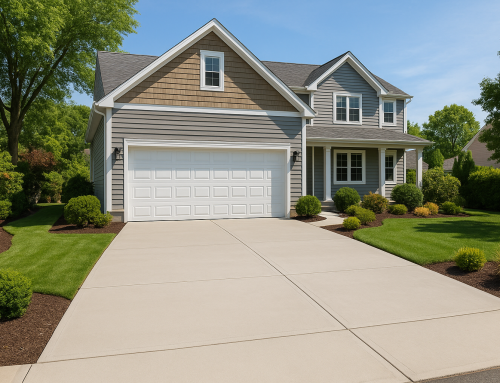
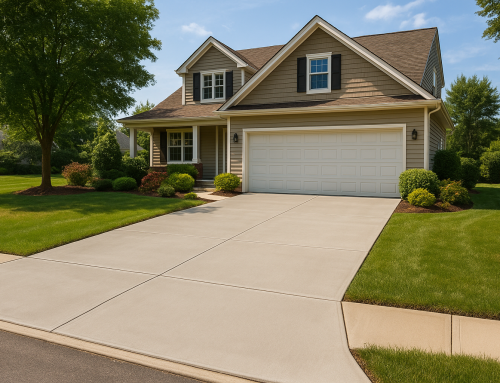
Concrete driveways are among the most common residential projects because they offer a clean, strong surface for vehicles. A well-built driveway can improve curb appeal while providing dependable performance for many years. Parking pads are also a practical option for extra vehicle space, trailers, or recreational equipment.
Patios and Outdoor Living Areas
Concrete patios create a durable base for entertaining, dining, and relaxing outdoors. They can be finished in simple broom texture for a classic look or enhanced with stamping and staining for a more decorative effect. Because patios are exposed to the elements, concrete is a smart choice for long-lasting outdoor comfort.
Walkways and Pathways
Walkways help define movement around a property and make yards easier to navigate. Concrete pathways can be straight and functional or curved and decorative, depending on the design. They are especially useful in gardens, side yards, and areas that need a stable walking surface.
Garage Floors and Basement Slabs
Interior concrete projects are just as important as outdoor ones. Garage floors need to handle vehicle weight, tools, and regular wear, while basement slabs must provide a level, dependable base. Proper sealing and finishing can also help these surfaces resist stains and moisture.
Retaining Walls, Steps, and Small Structures
Concrete is often used for support structures and architectural features. Retaining walls help manage slopes and erosion, while concrete steps provide safe access between levels. Smaller concrete structures, such as edging or planters, can add both function and visual appeal to a landscape.
Planning a Successful Concrete Project
Define the Purpose and Scope
Before starting any concrete project, it is important to clarify what the space needs to do. A driveway has different requirements than a patio, and a decorative feature has different priorities than a structural slab. Understanding the purpose helps determine thickness, reinforcement, finish, and overall design.
Choose the Right Site and Prepare the Ground
Good site preparation is essential. The ground should be cleared of debris, roots, and unstable material, then graded and compacted to create a firm base. Poor preparation can lead to cracking, settling, or drainage problems later on. In many cases, a gravel base is added to improve stability and drainage.
Select the Best Concrete Mix and Reinforcement
Not all concrete mixes are the same. The right mix depends on the project’s size, location, and expected load. Reinforcement such as rebar or wire mesh may also be necessary to improve strength and reduce cracking. For larger or more demanding projects, professional guidance can make a major difference.
Think About Finishes and Appearance
Concrete does not have to be plain or industrial-looking. A project can be finished with broom texture, exposed aggregate, stamping, staining, polishing, or sealing. These choices affect both appearance and performance, so it helps to select a finish that matches the intended use and style of the property.
Common Challenges and How to Avoid Them
Cracking
Some cracking can occur naturally as concrete cures and ages, but excessive cracking often points to problems with preparation, mix design, or curing. Control joints, proper reinforcement, and correct curing practices help reduce the risk. Stable soil and good drainage are also important for long-term performance.
Poor Drainage
Water can damage concrete projects if it pools on the surface or collects beneath the slab. Sloping the surface correctly and planning drainage paths are important steps. For outdoor projects, this helps prevent freeze-thaw damage, erosion, and slippery conditions.
Rushing the Cure
One of the most common mistakes is using the concrete too soon. Concrete needs time to cure and gain strength, even after it appears hard on the surface. Protecting the project from heavy loads, foot traffic, and extreme weather during the curing period helps ensure a better final result.
Skipping Maintenance
Although concrete is low-maintenance, it is not maintenance-free. Sealing, cleaning, and addressing small cracks early can extend the life of the surface. Regular care is especially helpful for driveways, patios, and decorative finishes that are exposed to sun, moisture, and deicing chemicals.
Working With Professionals vs. DIY
Some smaller concrete projects may be manageable for experienced DIYers, such as simple stepping stones, small pads, or minor repairs. However, larger or load-bearing projects usually require professional skill and equipment. A contractor can help with grading, reinforcement, finishing, and timing, which reduces the risk of costly mistakes.
When deciding between DIY and professional installation, consider the project’s complexity, size, and long-term importance. If the finished surface must remain level, strong, and attractive for many years, hiring an experienced concrete team is often the safer choice.
Conclusion
Concrete projects offer a practical combination of durability, versatility, and visual appeal. With thoughtful planning and proper execution, they can improve both the function and beauty of a property. Whether you are building a driveway, patio, walkway, or structural feature, concrete remains one of the most dependable materials available.
By choosing the right design, preparing the site carefully, and maintaining the finished surface, you can create a project that adds value and performance for years to come.