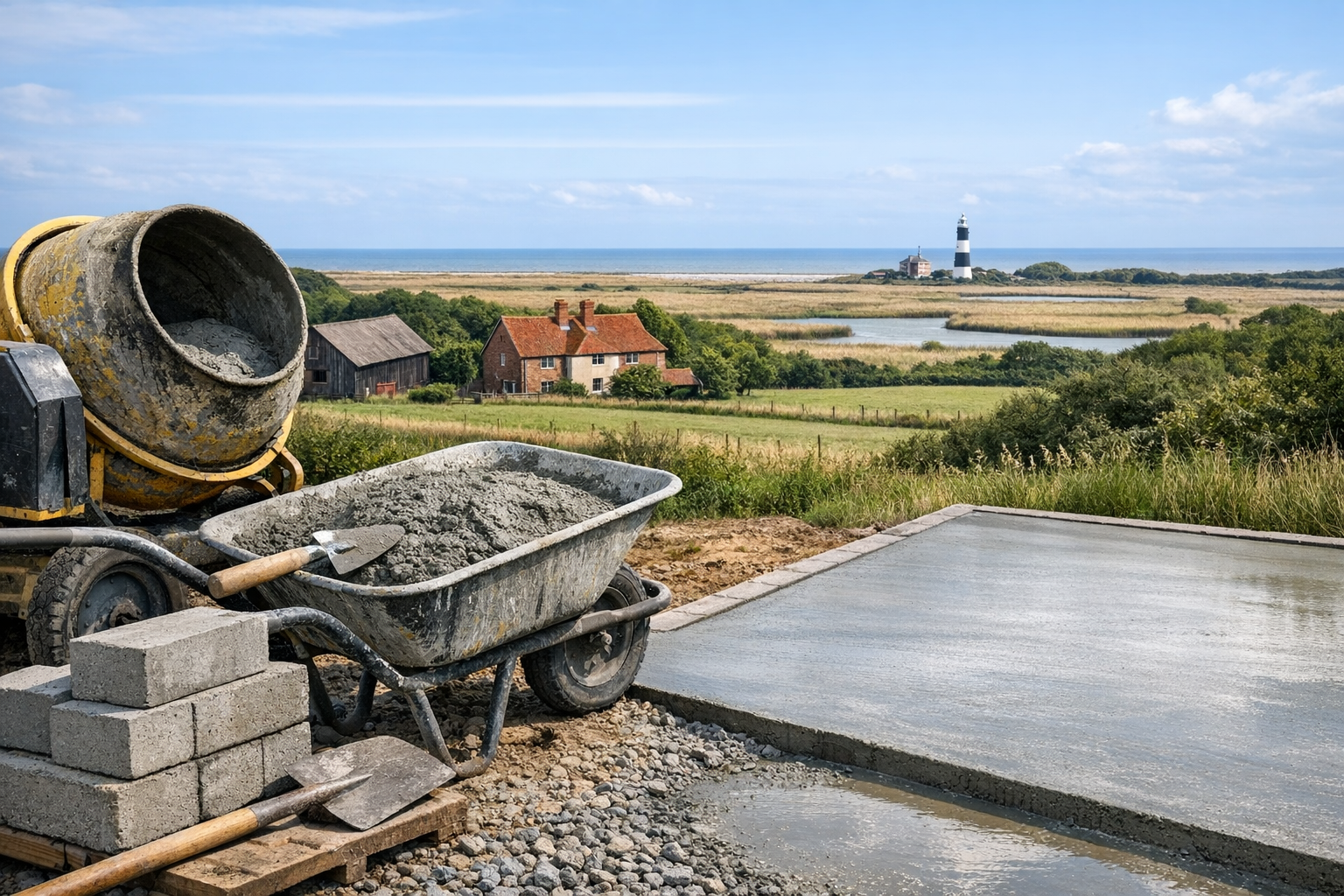
Concrete is one of the most dependable building materials used across Suffolk, from small domestic projects to major commercial developments. Whether you are planning a new driveway, laying a shed base, building foundations, or installing agricultural hardstanding, Suffolk concrete remains a trusted choice for strength, durability, and versatility. In this guide, we’ll explore what makes concrete such a valuable material in Suffolk, where it is commonly used, and what to think about before starting your project.
Why Concrete Is So Popular in Suffolk
Concrete has long been a favourite in Suffolk because it performs well in a variety of conditions. The county’s mix of coastal weather, rural environments, and busy town centres means building materials need to be robust. Concrete offers a reliable solution that can withstand heavy use, changing temperatures, and long-term exposure to the elements.
Another reason for its popularity is flexibility. Concrete can be used for simple domestic improvements as well as large-scale structural work. It can be poured, shaped, reinforced, and finished in different ways to suit the needs of each project. This makes it ideal for homeowners, builders, farmers, and commercial property owners alike.
Common Uses for Suffolk Concrete
Concrete is used throughout Suffolk in many different settings. Below are some of the most common applications.
Driveways and Paths
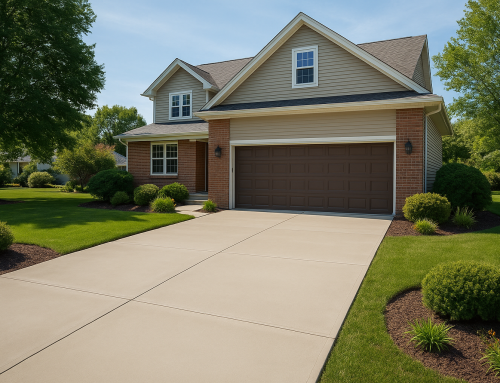
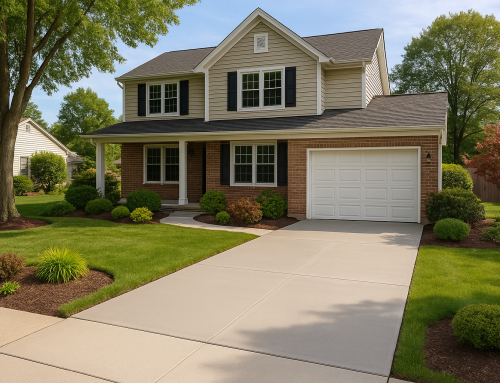
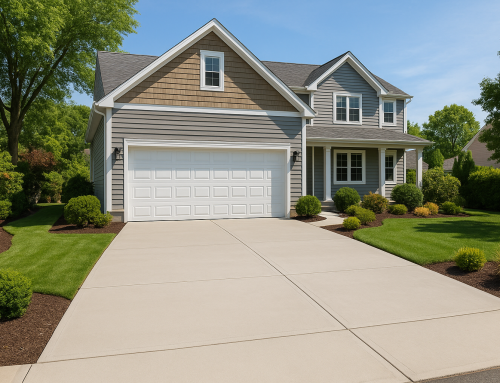
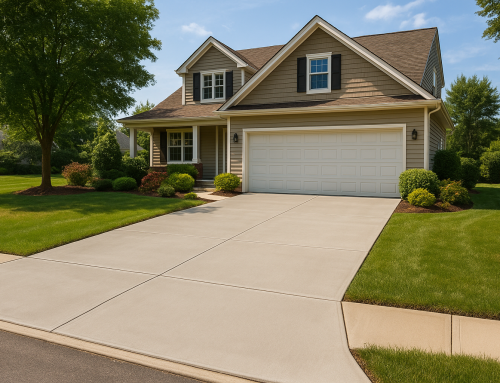
Concrete driveways are a practical option for Suffolk homes because they are low-maintenance and long-lasting. When properly installed, they create a solid surface that can handle regular vehicle traffic without shifting or rutting. Concrete paths also offer a neat, clean finish for gardens and side access areas.
Foundations and Footings
Every strong structure begins with a solid base. Concrete foundations and footings are essential for homes, extensions, garages, outbuildings, and commercial buildings. Suffolk’s varied ground conditions mean that proper foundation design is important, and concrete provides the stability needed to support the structure above.
Floor Slabs
Concrete floor slabs are widely used in garages, workshops, warehouses, and new builds. They create a level surface that can be finished for different uses, including polished, screeded, or covered with other flooring materials. For properties that need a tough, durable floor, concrete is often the best solution.
Farm and Agricultural Applications
Suffolk has a strong agricultural sector, and concrete plays an important role in farm infrastructure. It is commonly used for livestock housing, feed areas, silage clamps, yards, and access routes. Its ability to handle heavy machinery and frequent cleaning makes it especially useful in rural settings.
Commercial and Industrial Projects
Businesses across Suffolk rely on concrete for car parks, loading areas, warehouse floors, retaining structures, and external paving. In commercial environments, a material must be both durable and cost-effective, and concrete delivers on both counts.
Benefits of Choosing Concrete
There are several reasons why concrete remains one of the most widely used construction materials.
Strength and Durability
Concrete is known for its exceptional compressive strength. Once cured, it forms a rigid surface that can support substantial weight and resist wear over time. This makes it suitable for everything from small patios to major structural projects.
Low Maintenance
Compared with some other materials, concrete requires relatively little maintenance. A well-installed concrete surface can last for many years with only occasional cleaning and minor repairs. For busy homeowners and businesses, this is a major advantage.
Versatility
Concrete can be adapted to suit a wide range of finishes, thicknesses, and reinforcement requirements. It can also be combined with decorative techniques such as stamping, colouring, or smoothing to improve appearance without sacrificing performance.
Cost-Effective Over Time
While the upfront cost of concrete varies depending on the project, its long lifespan often makes it a cost-effective option. Because it is durable and low maintenance, it can deliver excellent long-term value.
What to Consider Before Starting a Concrete Project
Before beginning any Suffolk concrete project, it is important to plan carefully. Good preparation helps ensure the finished result is strong, safe, and suited to its intended use.
Ground Conditions
The quality of the ground beneath the concrete is crucial. Soft, unstable, or poorly drained ground may require extra preparation before pouring concrete. A proper assessment helps prevent cracking, sinking, or movement later on.
Intended Use
The purpose of the surface or structure will affect the type of concrete needed. A domestic path will have different requirements from a heavy-duty yard or industrial floor. Thickness, reinforcement, and finish should all be chosen with the project’s demands in mind.
Weather Conditions
Suffolk weather can influence how concrete is placed and cured. Cold, wet, or very hot conditions may require special planning to achieve the best results. Timing the work correctly can make a significant difference to the finished quality.
Drainage
Good drainage is essential for many concrete installations. Water pooling on or around concrete can lead to problems over time, so slope, edging, and surrounding ground levels should all be considered during the design stage.
Different Finishes and Styles
Concrete does not have to look plain or industrial. Depending on the project, there are several finish options available.
Broom-finished concrete is a popular choice for outdoor surfaces because it provides a practical, slip-resistant texture. Power-floated concrete offers a smoother, more polished appearance and is often used indoors or in commercial spaces. Decorative options such as coloured or stamped concrete can also enhance the look of driveways, patios, and paths while maintaining durability.
Why Local Knowledge Matters
Choosing a supplier or installer with local knowledge can be a real advantage. Suffolk projects often need to account for regional ground conditions, planning requirements, access limitations, and weather patterns. A team familiar with the area will be better prepared to recommend the right mix, finish, and installation method for the job.
Local expertise also helps with scheduling and logistics. Whether the project is in Ipswich, Bury St Edmunds, Lowestoft, Sudbury, or a more rural part of the county, working with a Suffolk-based concrete specialist can make the process smoother and more efficient.
Conclusion
Suffolk concrete remains a dependable and flexible choice for a wide range of projects, from domestic driveways to heavy-duty agricultural and commercial applications. Its strength, low maintenance, and adaptability make it a smart investment for property owners who want lasting results. With the right planning, materials, and installation, concrete can provide a durable foundation for years to come.