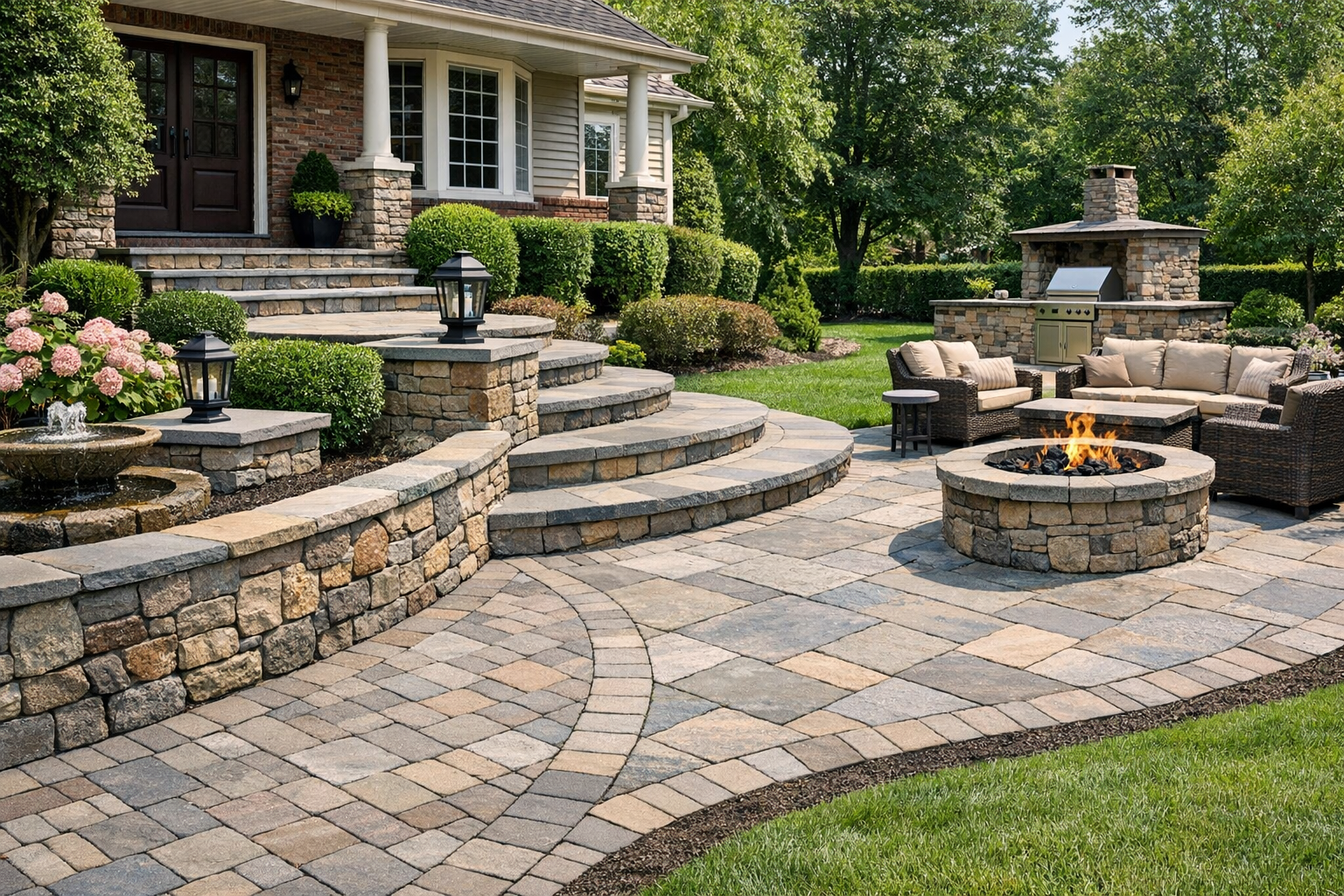
If you’re searching for masonry Long Island services, you’re likely looking for more than just a contractor. You want durable work, attractive design, and a team that understands how local weather affects stone, brick, and concrete over time. From patios and walkways to retaining walls and chimneys, quality masonry can transform a property while adding long-term value.
Long Island homes face unique conditions, including freezing winters, coastal moisture, heavy rain, and seasonal temperature swings. That means masonry work here has to be built with both craftsmanship and climate in mind. In this guide, we’ll cover what masonry includes, why it matters, common services, material choices, and how to choose the right professional for your project.
What Masonry Includes
Masonry is the craft of building with materials such as brick, stone, concrete block, and pavers. It is used in both structural and decorative applications, making it one of the most versatile parts of home construction and exterior design.
In residential settings, masonry may include:
- Brick and stone facades
- Patios and walkways
- Retaining walls
- Fire pits and outdoor kitchens
- Chimney repair and rebuilds
- Driveway borders and stoops
- Steps and entryways
Because masonry materials are strong and long-lasting, they are often chosen for projects that need to perform well for decades with proper installation and maintenance.
Why Masonry Is So Important on Long Island
Long Island weather can be tough on exterior materials. Moisture, salt air, frost, and shifting temperatures can all cause damage over time, especially if the original installation was not done correctly. That’s why experienced masonry work is so important in this region.
Well-built masonry helps protect your home from water intrusion, erosion, and structural wear. It also improves curb appeal, which is especially valuable in competitive housing markets across Nassau and Suffolk counties. A strong masonry feature can make a property feel more polished, welcoming, and complete.
In addition, many Long Island homes have older masonry that may need restoration. Brickwork can crack, mortar can deteriorate, and chimneys can lean or crumble if left unchecked. Addressing these problems early can help prevent more expensive repairs later.
Common Masonry Services in Long Island
Patios and Walkways
Patios and walkways are among the most popular masonry projects. Homeowners often choose pavers, natural stone, or brick to create outdoor spaces that are both functional and attractive. A properly installed patio can extend your living space and provide a beautiful setting for entertaining, relaxing, or dining outdoors.
Retaining Walls
Retaining walls serve a practical purpose by holding back soil and managing elevation changes. They are often used in yards with slopes, gardens, or drainage concerns. In addition to their structural role, retaining walls can enhance the landscape and create cleaner, more usable outdoor areas.
Chimney Repair
Chimneys are exposed to the elements year-round, which makes them especially vulnerable to damage. Common issues include cracked bricks, failing mortar joints, missing caps, and water infiltration. Professional chimney repair can restore safety, improve function, and protect your home from moisture problems.
Steps and Stoops
Front steps and stoops play a major role in both safety and appearance. Over time, these features may settle, crack, or loosen. Masonry repair or replacement can improve structural integrity while giving your entrance a fresh, updated look.
Stone Veneer and Decorative Work
Many homeowners use stone veneer or decorative masonry to upgrade the appearance of exterior walls, foundations, fireplaces, and accent features. These details can add texture, style, and value without requiring a full structural rebuild.
Choosing the Right Materials
The right material depends on the purpose of the project, the style of the home, and the amount of maintenance you’re willing to handle. Each option has its own strengths.
Brick offers a classic appearance and works well for traditional homes. It is durable, though it may require periodic mortar maintenance.
Natural stone provides a premium, timeless look. It is often chosen for patios, walkways, retaining walls, and decorative accents.
Concrete block is commonly used for structural work, especially where strength and stability are priorities.
Pavers are popular for driveways, patios, and walkways because they come in many colors and patterns and can be repaired more easily than some solid-surface materials.
A knowledgeable masonry contractor can help you choose the right product based on durability, drainage, visual style, and budget.
Signs You May Need Masonry Repair
It’s not always obvious when masonry needs attention. Some problems begin small and slowly worsen over time. Look for these warning signs:
- Cracks in brick, stone, or concrete
- Loose or missing mortar
- Water stains or damp spots
- Uneven walkways or sinking pavers
- Bulging or leaning walls
- Spalling, where the surface begins to flake or break away
If you notice any of these issues, it’s a good idea to have the area inspected. Early repair can often save time and money while helping prevent further damage.
What to Look for in a Masonry Contractor
Hiring the right professional is one of the most important parts of any masonry project. Experience matters, but so does attention to detail. A skilled contractor should understand local conditions, proper drainage, material selection, and building techniques that stand up to Long Island weather.
When comparing masonry companies, ask about:
- Relevant experience with similar projects
- Licensed and insured status
- References or project photos
- Material and labor warranties
- Clear communication and written estimates
It’s also wise to choose a contractor who takes the time to evaluate your property. The best masonry solutions are tailored to the site, not rushed or copied from another job.
Maintenance Tips for Long-Lasting Masonry
Even well-built masonry benefits from routine care. Simple maintenance can help preserve both appearance and performance.
- Keep surfaces clean by removing dirt, leaves, and debris
- Check mortar joints for signs of wear
- Make sure water drains away from walls and foundations
- Seal certain surfaces when recommended
- Repair small issues before they spread
In areas with harsh winter conditions, preventing water from getting into cracks is especially important. When moisture freezes and expands, it can make existing damage worse.
Conclusion
Quality masonry Long Island services can improve your home’s beauty, safety, and value. Whether you need a new patio, a repaired chimney, or a custom retaining wall, the right masonry work should be built to last and designed for local conditions. With the proper materials and an experienced contractor, you can create exterior features that look great and perform well for years to come.