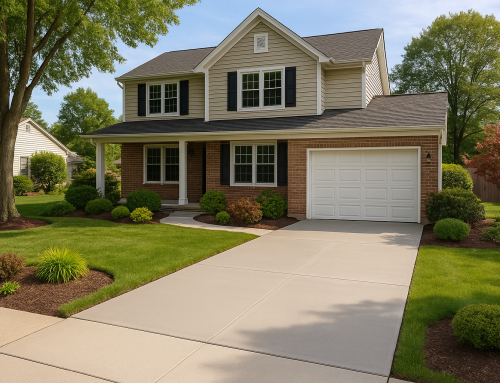
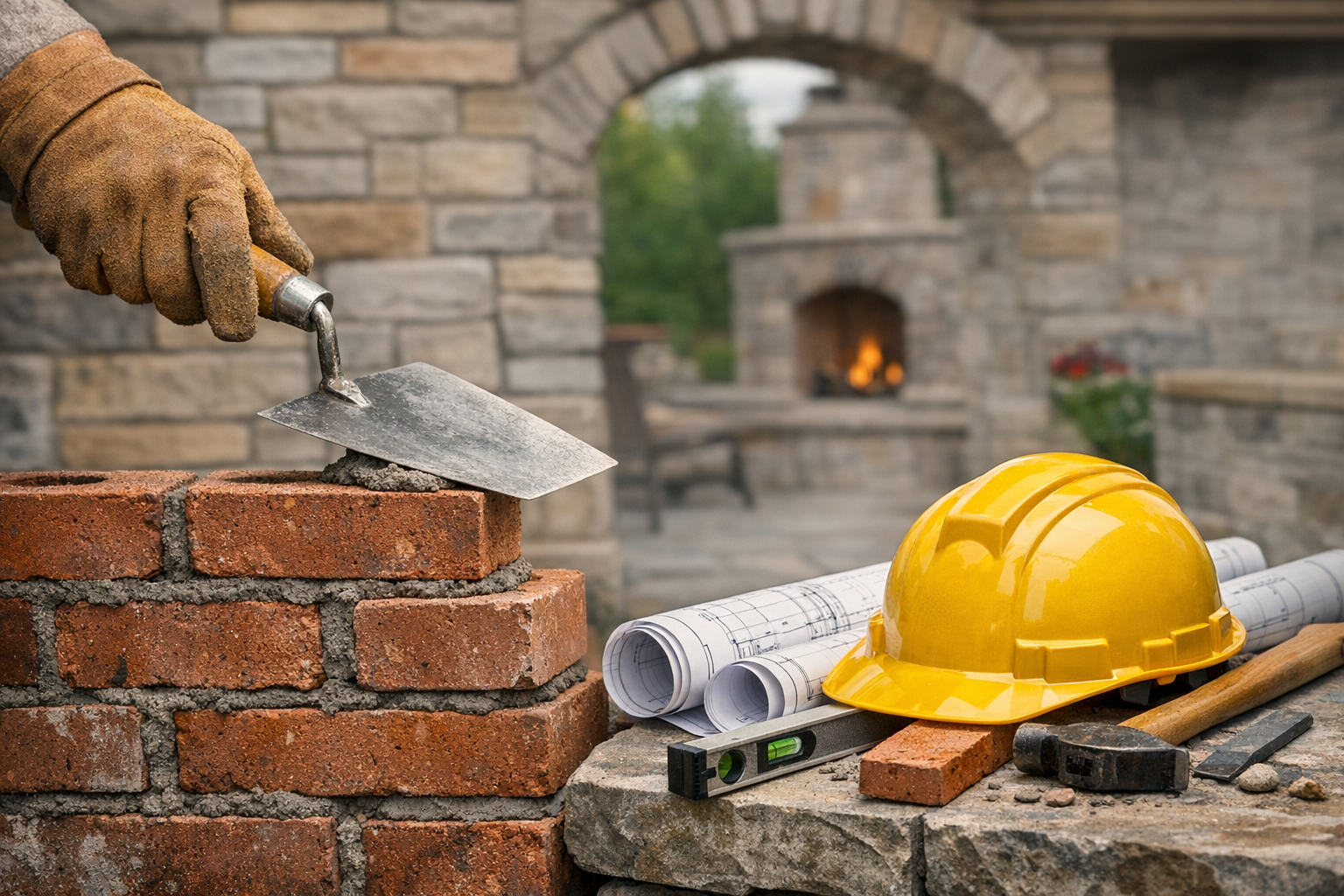
Masonry businesses play a vital role in shaping the look, strength, and value of homes and commercial properties. From brick walls and stone facades to retaining walls, chimneys, patios, and repairs, skilled masonry work combines craftsmanship with long-lasting performance. For property owners, choosing the right masonry contractor means investing in durability, curb appeal, and peace of mind. For business owners, success depends on quality workmanship, smart operations, and strong customer relationships.
What Masonry Businesses Do
Masonry businesses specialize in building and repairing structures made from brick, stone, concrete block, and other durable materials. Their work often includes both decorative and structural projects, making masonry one of the most versatile trades in construction.
Common services include new wall construction, tuckpointing, chimney repair, foundation work, stone veneer installation, steps, patios, and hardscape features. Many masonry businesses also handle restoration work for historic buildings, where preserving original materials and appearance is especially important.
Why Masonry Work Matters
Quality masonry offers benefits that go far beyond appearance. Brick and stone structures are known for their strength, fire resistance, and long service life. Properly installed masonry can improve insulation, reduce maintenance needs, and add significant value to a property.
For homeowners, masonry is often about protection and aesthetics at the same time. A well-built chimney, for example, improves safety while also enhancing the home’s exterior. A professionally designed patio or retaining wall can create usable outdoor space while increasing property appeal.
Core Services Offered by Masonry Businesses
Brickwork
Brickwork is one of the most recognizable aspects of masonry. Businesses may build brick walls, fireplaces, columns, walkways, and veneers. They also repair cracked mortar joints and replace damaged bricks to maintain structural integrity.
Stone Masonry
Stone masonry adds a timeless, natural look to both residential and commercial properties. Depending on the project, contractors may use natural stone, manufactured stone veneer, or a mix of both to achieve the desired style and performance.
Concrete Block Construction
Concrete blocks are commonly used for foundations, load-bearing walls, garages, and utility structures. Masonry businesses that work with block systems must be precise, since even small errors can affect alignment and strength.
Restoration and Repair
Repair work is a major part of the masonry industry. Over time, weather, moisture, and shifting foundations can damage mortar and masonry units. Services such as repointing, crack repair, and waterproofing help extend the life of existing structures.
Outdoor Living Features
Many masonry businesses also build patios, fire pits, outdoor kitchens, walkways, and retaining walls. These projects are popular because they combine function with curb appeal and can greatly improve outdoor living spaces.
What Makes a Successful Masonry Business
Running a successful masonry business requires more than technical skill. It takes planning, reliability, and a strong understanding of what customers expect. Businesses that thrive usually focus on workmanship, communication, and consistency.
First, quality is essential. Customers expect masonry work to last, so every project must be built with careful attention to materials, measurements, drainage, and finishing. A strong reputation for craftsmanship often leads to referrals and repeat business.
Second, professionalism matters. Clear estimates, punctual service, and honest timelines help establish trust. Many customers do not fully understand masonry methods, so explaining the process in simple terms can make a big difference.
Third, safety and compliance are critical. Masonry work often involves heavy materials, ladders, scaffolding, and powered equipment. Businesses must follow safety procedures and local building codes to protect workers and clients alike.
Challenges Masonry Businesses Face
Like many construction trades, masonry businesses face seasonal demand, labor shortages, and rising material costs. Weather can delay projects, especially in colder regions where mortar curing and outdoor work become more difficult.
Finding experienced masons is another challenge. Skilled labor takes time to develop, and businesses often need to invest in training apprentices. At the same time, competition from general contractors and lower-cost providers can make it harder to stand out.
Customer education is also an ongoing challenge. Many clients may not realize the difference between a quick patch and a long-term repair. Masonry businesses that take the time to explain options are better positioned to earn trust and deliver better outcomes.
How Masonry Businesses Can Grow
Growth in the masonry industry often comes from combining craftsmanship with smart marketing and efficient operations. A strong portfolio of completed projects can help build credibility, especially when paired with high-quality photos and customer reviews.
Online visibility is increasingly important. Many customers search for local masonry services before making a call, so a well-designed website, accurate business listings, and positive reviews can drive new leads. Social media can also be useful for showcasing before-and-after transformations and highlighting special projects.
Referral relationships with general contractors, landscapers, architects, and property managers can create a steady flow of work. Masonry businesses that collaborate well with other professionals often gain access to larger and more profitable projects.
Operational efficiency matters too. Accurate estimating, material planning, and job scheduling help reduce waste and improve margins. Businesses that manage their time and resources well are better able to take on more projects without sacrificing quality.
Choosing the Right Masonry Business
For property owners, selecting the right masonry contractor can make the difference between a lasting investment and an expensive repair. It is important to look for experience, licensing where required, insurance, and a strong local reputation.
Ask for examples of similar work, request a detailed estimate, and make sure the contractor explains the scope clearly. A dependable masonry business should be able to describe materials, timelines, and any potential complications before the work begins.
It is also wise to choose a contractor who specializes in the type of project you need. A company that excels at restoration may be ideal for historic brickwork, while another may be better suited for patios, chimneys, or structural blockwork.
The Future of Masonry Businesses
Masonry continues to be a trusted trade because it combines beauty, durability, and practical value. As more property owners look for low-maintenance materials and outdoor living upgrades, demand for skilled masonry services is likely to remain strong.
At the same time, businesses that embrace modern project management, digital marketing, and customer-focused service will be better prepared for growth. The masonry companies that succeed in the future will be those that preserve traditional craftsmanship while adapting to changing market expectations.
Conclusion
Masonry businesses are built on skill, reliability, and long-term value. Whether they are restoring old brickwork, building a new stone patio, or repairing structural damage, these companies provide services that protect properties and enhance their appearance. For customers, choosing a qualified masonry business means choosing workmanship that stands the test of time.