What Is Commercial Masonry?
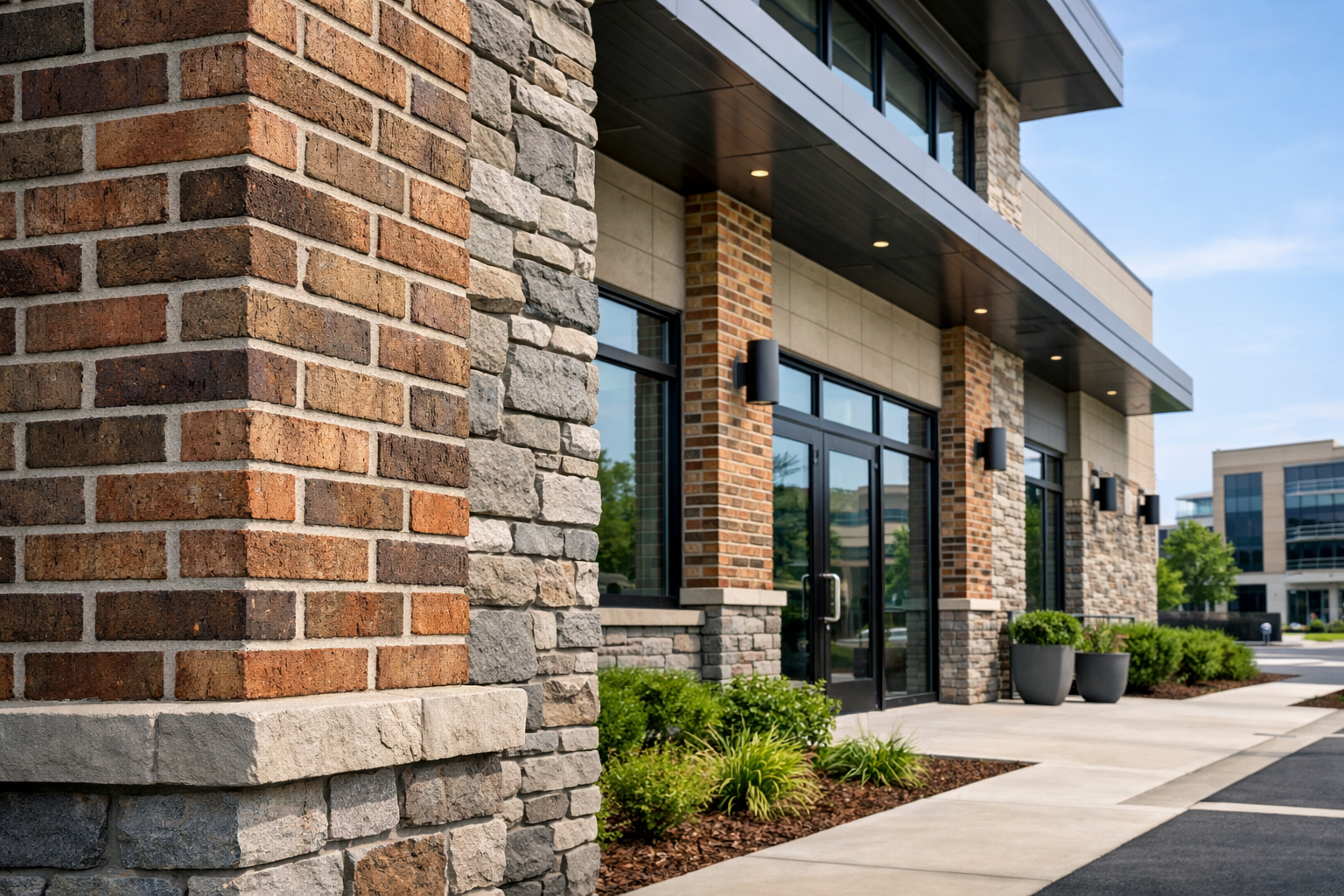
Commercial masonry is the construction and repair of building structures using materials such as brick, concrete block, stone, and other masonry products in commercial settings. These projects are common in office buildings, retail centers, schools, warehouses, hospitals, restaurants, and industrial facilities. Unlike residential work, commercial masonry often involves larger-scale builds, stricter performance requirements, and coordination with architects, engineers, and general contractors.
At its core, commercial masonry combines strength, function, and appearance. It is used for structural walls, veneers, facades, retaining walls, fire-rated assemblies, sidewalks, entryways, and decorative features that help a property look professional while standing up to daily wear.
Why Commercial Masonry Matters
Property owners and developers choose commercial masonry for several important reasons. First, it delivers exceptional durability. Masonry materials can withstand heavy traffic, weather exposure, and long-term use with relatively low maintenance. Second, it adds visual appeal, which is especially valuable for customer-facing properties where curb appeal and branding matter. Third, masonry contributes to fire resistance, sound control, and energy performance when installed properly.
For many businesses, commercial masonry is also a smart long-term investment. A well-built masonry exterior can reduce repair frequency, improve building value, and create a strong first impression for tenants, visitors, and customers.
Common Materials Used in Commercial Masonry
Brick
Brick remains a popular choice for commercial exteriors because of its classic appearance and long lifespan. It works well for storefronts, campuses, and office buildings where a traditional but polished look is desired.
Concrete Block
Concrete masonry units, or CMU blocks, are widely used for structural walls, partitions, and back-of-house areas. They are durable, cost-effective, and adaptable for both load-bearing and non-load-bearing applications.
Natural Stone
Stone offers a premium appearance and is often used for entryways, facades, columns, and accent walls. It can elevate a property’s design while providing excellent longevity.
Manufactured Stone and Veneer Systems
These materials can mimic the look of natural stone at a lower cost and lighter weight. They are often selected for decorative applications where aesthetics are important but structural loading must be minimized.
Key Benefits of Commercial Masonry
Durability and Strength
Commercial masonry is known for its ability to endure harsh conditions. It resists impact, weather, and general wear better than many other exterior finishes. This makes it ideal for high-traffic buildings and facilities that need dependable performance over time.
Fire Resistance
Many masonry materials are non-combustible, which can improve building safety and help meet fire code requirements. This is especially valuable in schools, healthcare facilities, multi-tenant properties, and industrial spaces.
Low Maintenance
Compared with materials that require frequent painting or replacement, masonry typically needs less ongoing upkeep. Routine inspections and occasional repairs are usually enough to keep it in good condition.
Energy Efficiency
When paired with modern insulation and wall systems, masonry can contribute to better thermal performance. Thermal mass helps regulate indoor temperatures, which may support energy savings and occupant comfort.
Design Flexibility
Commercial masonry can be tailored to fit many architectural styles, from sleek modern developments to traditional brick buildings. Color, texture, pattern, and material combinations allow for creative and customized results.
Typical Commercial Masonry Applications
Commercial masonry is used in a wide range of applications. Exterior facades are among the most visible, helping define the character of a building. Interior masonry can appear in lobbies, feature walls, fireplaces, and accent areas where a refined look is desired.
It is also commonly used for structural block walls, parapets, retaining walls, stair enclosures, walkways, plazas, patios, and site features such as planters and entrance monuments. In many properties, masonry supports both practical needs and branding goals by creating a consistent, high-quality image.
What to Expect During a Commercial Masonry Project
A successful commercial masonry project starts with planning. Contractors review drawings, site conditions, material requirements, and code considerations before work begins. During the construction phase, precision matters. Masonry must be laid correctly, aligned properly, and integrated with other building systems such as waterproofing, insulation, steel framing, and flashing.
Quality control is especially important in commercial work. Because these projects often affect structural integrity, safety, and long-term performance, experienced masonry crews follow detailed specifications and industry best practices. Timelines may also depend on weather, project scale, and coordination with other trades.
How to Maintain Commercial Masonry
Even though masonry is low maintenance, it still benefits from regular care. Building owners should schedule periodic inspections to check for cracking, loose mortar, moisture intrusion, efflorescence, and damaged joints. Addressing small issues early can prevent more expensive repairs later.
Cleaning also matters. Dirt, stains, and biological growth can affect appearance over time, especially on highly visible facades. Using appropriate cleaning methods helps protect the material while preserving its finish. In some cases, tuckpointing, sealant replacement, or waterproofing may be needed to restore performance.
Choosing the Right Commercial Masonry Contractor
Not all masonry contractors have the same level of experience with commercial projects. It is important to choose a team that understands building codes, structural requirements, project coordination, and safety standards. Look for a contractor with a strong portfolio, proper licensing and insurance, and proven experience with the specific type of masonry your project requires.
Clear communication is also essential. A good contractor should explain material options, timelines, budget considerations, and maintenance expectations. The right partner can help ensure the finished work is both attractive and built to last.
Conclusion
Commercial masonry remains one of the most reliable ways to build durable, appealing, and long-lasting properties. With the right materials, skilled craftsmanship, and proper maintenance, masonry can deliver value for decades while supporting both function and style.