
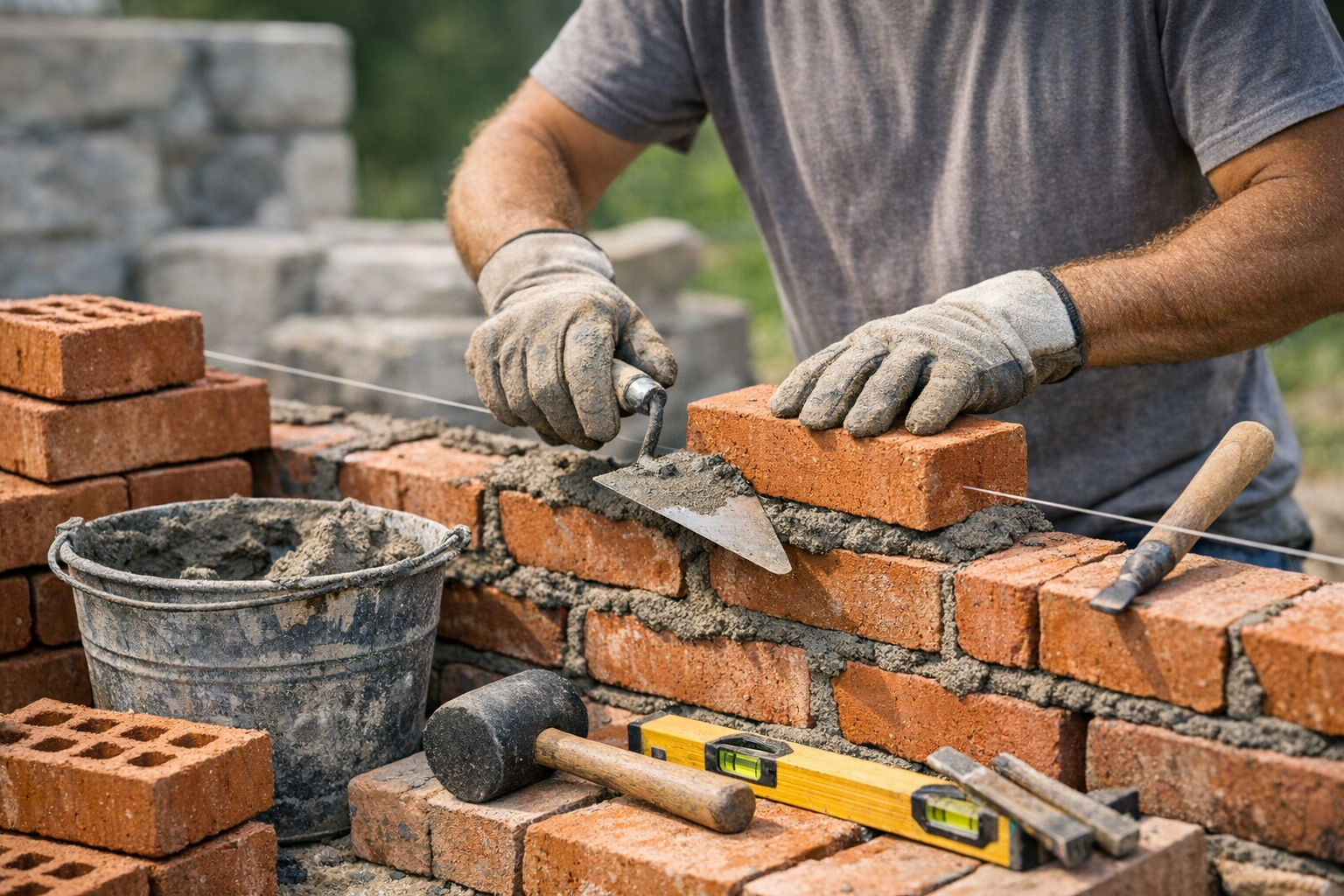
What Is a Masonry Job?
A masonry job involves building, repairing, or restoring structures made from stone, brick, concrete block, or other durable materials. Masonry is one of the oldest construction trades, and it remains essential today because it creates strong, long-lasting, and attractive structures. From retaining walls and chimneys to patios, fireplaces, and building facades, masonry work plays a major role in both residential and commercial construction.
At its core, a masonry job combines craftsmanship and technical skill. A mason must understand how materials behave, how to mix mortar correctly, how to ensure proper alignment, and how to create a finished surface that is both functional and visually appealing. Whether the project is small or large, quality masonry work can add value, stability, and character to a property.
Common Types of Masonry Work
Masonry work covers a wide range of projects, and the exact tasks depend on the needs of the property. Some of the most common include brickwork, stonework, concrete block construction, tuckpointing, chimney repair, and hardscaping. Each type requires its own tools, methods, and level of expertise.
Brick Masonry
Brick masonry is often used for walls, fireplaces, chimneys, and decorative features. Bricklayers must place each brick precisely and maintain consistent mortar joints for strength and appearance. Brick is popular because it offers timeless style and solid performance.
Stone Masonry
Stone masonry can be more decorative or more structural, depending on the project. Natural stone creates a classic, high-end look and is often used for exterior walls, veneers, patios, and landscaping features. Because stone varies in shape and size, this work often demands more time and detail.
Concrete Block Work
Concrete blocks are frequently used for foundations, retaining walls, and commercial structures. They are practical, durable, and cost-effective. A skilled mason ensures the blocks are level, reinforced properly, and able to support the intended load.
Skills Needed for a Masonry Job
A successful masonry job requires more than physical strength. Masonry professionals need accuracy, patience, and an eye for detail. They must be able to measure carefully, read plans, mix materials correctly, and work efficiently in different weather conditions.
Good hand-eye coordination is essential because a mason must place each unit with precision. Knowledge of mortar ratios, curing times, and reinforcement methods is also important. In addition, problem-solving skills help masons adapt to uneven surfaces, structural issues, or design challenges during a project.
Safety awareness is another key part of the job. Masonry often involves heavy materials, ladders, scaffolding, power tools, and dust exposure. Wearing proper protective gear and following site safety procedures helps prevent injuries and keeps the project moving smoothly.
The Masonry Job Process
Although every project is different, most masonry jobs follow a similar process. The work usually begins with planning and preparation, followed by installation, finishing, and inspection. Careful execution at each stage is what leads to a durable result.
1. Site Assessment and Planning
The mason first evaluates the site, takes measurements, and reviews the design or repair needs. This step helps identify any structural concerns, drainage issues, or material requirements before work begins.
2. Material Selection
Choosing the right materials is crucial. The mason may recommend brick, stone, block, mortar, or sealant based on the project goals, climate, and budget. Using the correct materials helps ensure long-term performance.
3. Preparation and Layout
Before laying any material, the area must be cleaned, leveled, and marked. Accurate layout lines guide the placement of each unit and help maintain symmetry and alignment.
4. Construction or Repair
This is the main part of the job, where bricks, stones, or blocks are set in place with mortar or another bonding material. During repairs, damaged sections may be removed and rebuilt to match the existing structure.
5. Finishing and Cleanup
After the masonry is installed, joints may be tooled, surfaces cleaned, and protective treatments applied. The site is then cleared of debris, leaving a polished and professional result.
Benefits of Professional Masonry Work
Hiring a professional for a masonry job offers several important benefits. First, masonry is known for its strength and longevity. A properly built wall, chimney, or patio can last for decades with minimal maintenance. That durability makes masonry a smart investment for many property owners.
Masonry also provides excellent fire resistance and can improve energy efficiency when used in walls or foundations. In addition, it has strong aesthetic value. Brick and stone surfaces add texture, depth, and curb appeal that many other materials cannot match.
Another advantage is repairability. Even if a structure develops cracks, loose mortar, or water damage over time, a skilled mason can often restore it without replacing the entire structure. That makes masonry a practical choice for both new construction and restoration projects.
How to Choose the Right Masonry Contractor
Choosing the right contractor is one of the most important parts of any masonry project. Look for experience, clear communication, and a portfolio of completed work. A reliable masonry contractor should be able to explain the process, recommend materials, and provide a detailed estimate.
It is also wise to check references, verify insurance, and ask about warranties or guarantees. Because masonry work affects both appearance and structural integrity, quality should never be rushed. A contractor with strong attention to detail will help ensure the final result meets your expectations and stands the test of time.
Maintaining Masonry After the Job Is Done
Once a masonry job is complete, regular maintenance can help preserve its appearance and performance. Inspect surfaces periodically for cracks, loose mortar, discoloration, or water damage. Addressing small issues early can prevent more serious problems later.
Cleaning masonry gently and avoiding harsh chemicals will protect the surface. In some cases, sealing may help reduce moisture absorption and staining. For chimneys, retaining walls, and other load-bearing structures, routine inspections are especially important.
Conclusion
A masonry job is about more than stacking bricks or setting stone. It is a skilled trade that combines precision, durability, and design. Whether you are planning a new build, a repair, or a decorative upgrade, quality masonry work can improve the strength, safety, and beauty of your property for years to come.