What Is a Concrete Masonry Contractor?
A concrete masonry contractor is a skilled professional who builds, repairs, and restores structures made from concrete masonry units, including concrete blocks, pavers, retaining walls, chimneys, and other structural or decorative features. These contractors work with materials designed for strength, durability, and long-term performance, making them essential for both residential and commercial projects.
Unlike general builders who may handle a wide range of tasks, a concrete masonry contractor focuses on the precise placement, reinforcement, and finishing of masonry elements. That specialization matters because concrete masonry work often needs to support heavy loads, withstand weather exposure, and meet local building codes.
Services Offered by a Concrete Masonry Contractor
Block Walls and Structural Masonry
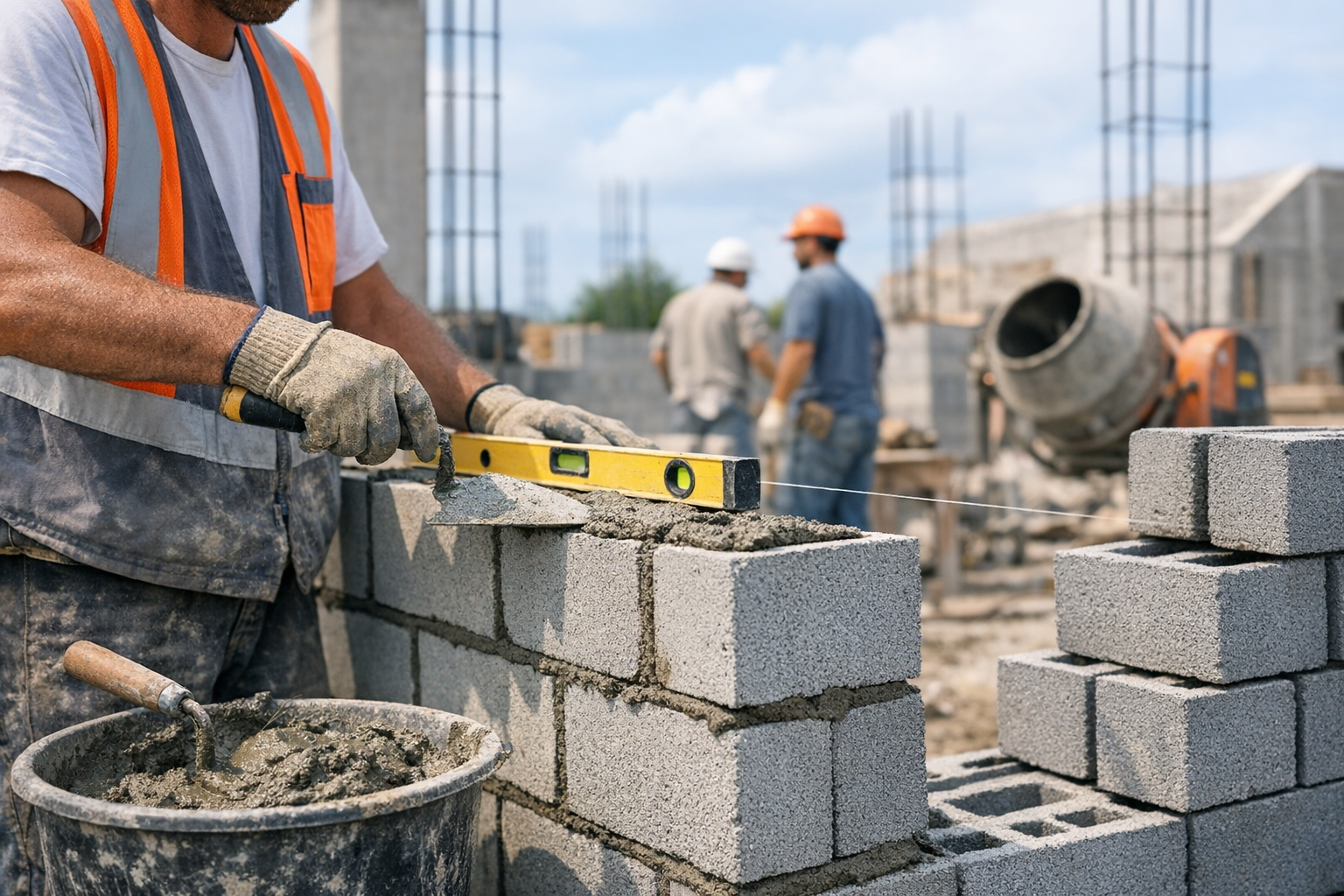
One of the most common services is constructing concrete block walls. These may be used for basements, garages, commercial buildings, storage areas, and load-bearing walls. A contractor ensures the blocks are laid level, reinforced properly, and bonded securely for maximum strength.
Retaining Walls
Retaining walls help manage soil, prevent erosion, and create usable outdoor spaces. A contractor can design and build retaining walls that are both functional and visually appealing. Proper drainage and reinforcement are critical, especially on sloped properties.
Pavers, Walkways, and Patios
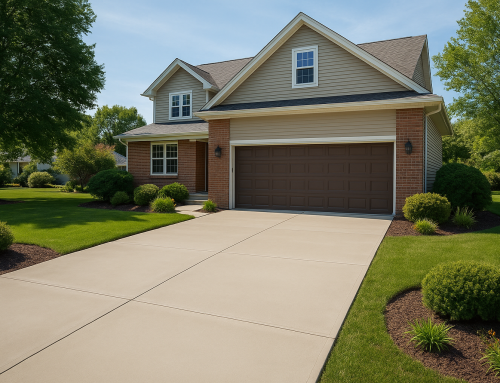
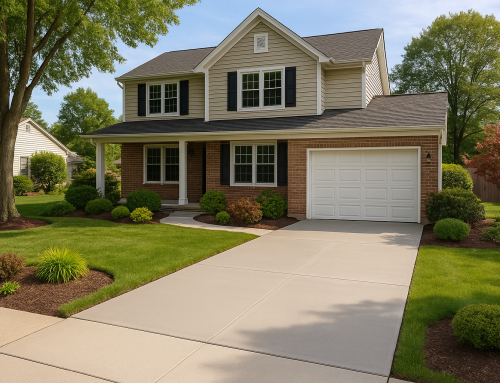
Many contractors also install concrete pavers for driveways, walkways, patios, and pool decks. These surfaces add curb appeal while offering durability and low maintenance. Skilled installation helps reduce shifting, cracking, and drainage problems.
Repairs and Restoration
Over time, concrete masonry may crack, settle, or show signs of wear. A contractor can repair damaged joints, replace blocks, restore walls, and address structural issues before they become more costly. Restoration services are especially valuable for older buildings and historic properties.
Why Hiring a Professional Matters
Concrete masonry work may look straightforward, but it depends on precision. A professional contractor understands how to prepare the site, mix materials, account for drainage, and reinforce masonry correctly. Small mistakes during installation can cause major problems later, including cracking, water intrusion, or structural instability.
Hiring an experienced contractor also saves time and reduces risk. They come equipped with the right tools, know how to handle heavy materials, and can identify issues that a less experienced installer might miss. In many cases, professional workmanship also improves the appearance and resale value of a property.
How to Choose the Right Concrete Masonry Contractor
Check Experience and Specialization
Look for a contractor with proven experience in the type of project you need. Someone who builds retaining walls may not be the best fit for foundation work, and vice versa. Ask about past projects similar to yours and request photos or references if available.
Verify Licensing and Insurance
A reputable contractor should carry the proper licenses and insurance required in your area. This helps protect both you and the workers if an accident or property damage occurs. Never assume a contractor is covered—ask for proof.
Ask About Materials and Methods
Quality results depend on more than labor alone. Ask what materials the contractor uses, how they handle reinforcement, and what steps they take to prevent drainage or settling issues. A good contractor should be able to explain the process clearly.
Read Reviews and Get References
Online reviews can offer helpful insight, but direct references are even better. Speaking with previous customers gives you a better sense of communication, reliability, cleanliness, and overall satisfaction. Consistent positive feedback is a strong sign of professionalism.
Compare Written Estimates
Request detailed written estimates from more than one contractor. The estimate should outline labor, materials, timeline, and any potential extra costs. The lowest bid is not always the best choice; instead, compare value, experience, and scope of work.
Questions to Ask Before Hiring
Before signing a contract, ask a few key questions. How long will the project take? Who will be on-site each day? What happens if weather causes delays? Is cleanup included? What warranty or guarantee is offered on the work? Clear answers help avoid misunderstandings later.
You should also ask whether the contractor handles permits and inspections. For larger projects, this can be an important part of keeping the job compliant with local regulations. A contractor who takes care of these details demonstrates professionalism and organization.
Common Signs You Need Masonry Repair
Cracks in block walls, leaning retaining walls, water seepage, loose mortar, and uneven surfaces are all signs that masonry repair may be needed. Even minor damage can worsen over time if it is not addressed. If you notice bulging walls or significant movement, contact a contractor quickly for an assessment.
Ignoring masonry problems can lead to costly repairs and safety concerns. Early intervention often means simpler, less expensive solutions. A qualified contractor can determine whether the issue is cosmetic, structural, or related to drainage.
What to Expect During a Project
Most projects begin with an on-site evaluation and estimate. Once the scope is approved, the contractor prepares the site, gathers materials, and begins construction or repair. Depending on the job, the work may include excavation, reinforcement, block laying, finishing, curing, and cleanup.
Communication is important throughout the process. A reliable contractor will keep you informed about progress, schedule changes, and any unexpected issues. At the end of the project, they should walk you through the completed work and answer final questions.
Conclusion
A concrete masonry contractor provides the skill and experience needed to build durable, attractive, and long-lasting structures. Whether you need a new retaining wall, foundation work, or masonry repairs, choosing the right professional can make all the difference in the success of your project.
By checking experience, verifying credentials, and asking the right questions, you can find a contractor who delivers quality results and peace of mind.