What Is Perfect Stone?
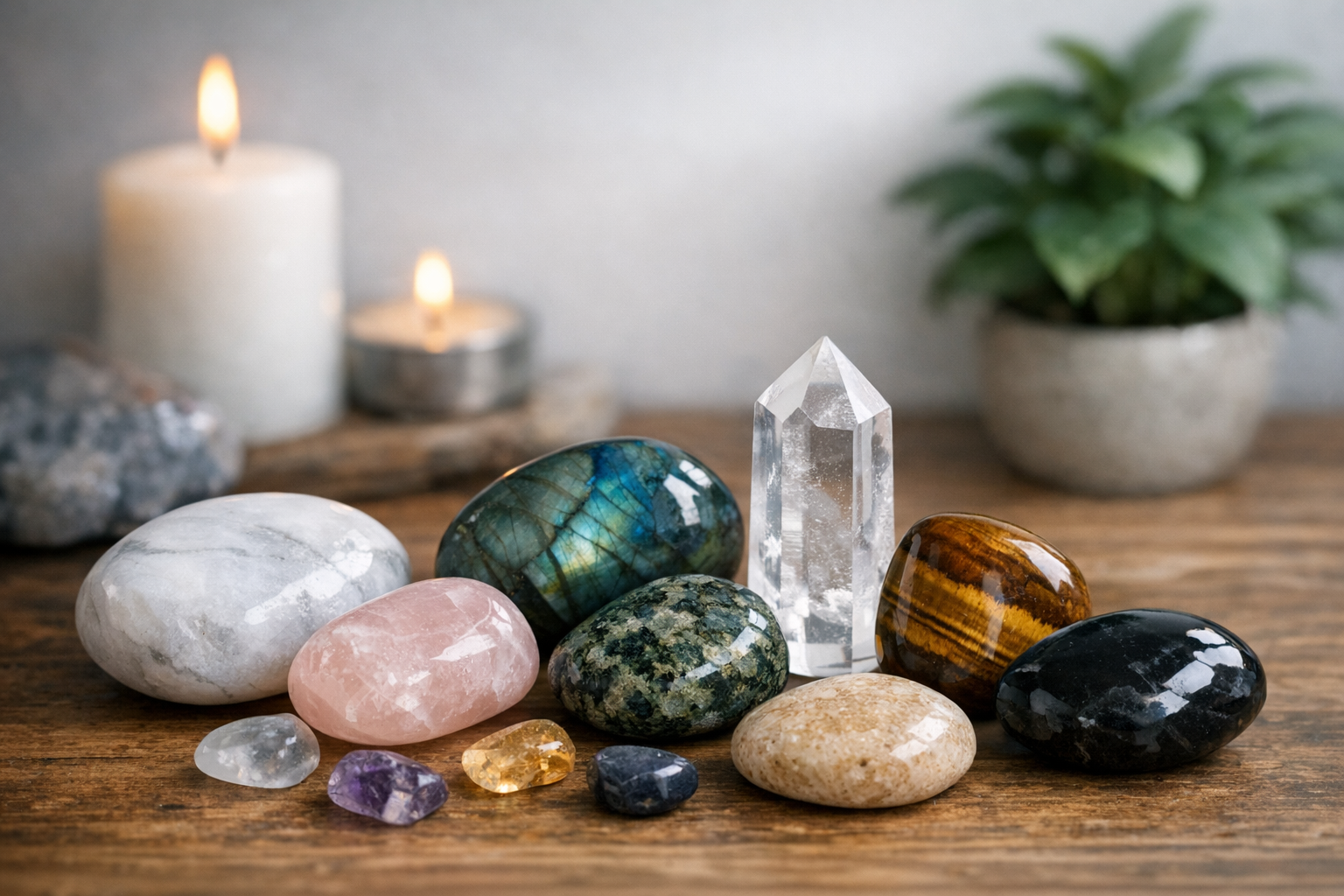
“Perfect stone” is a phrase people use to describe a stone that feels ideal for a particular purpose. It may be the right color, shape, durability, texture, or finish for a design project, landscaping plan, jewelry piece, or construction need. In other words, perfection is not about one single type of stone. It is about choosing the stone that performs well and looks beautiful in the setting where it will be used.
Natural stone has been valued for centuries because it combines strength, character, and timeless appeal. Whether you are selecting stone for a patio, a kitchen countertop, a wall feature, or a decorative accent, the “perfect” option is the one that balances style, function, and budget.
Why Perfect Stone Matters
The right stone can completely change the feel of a space. A carefully chosen stone surface can make a room look elegant, warm, modern, rustic, or luxurious. Beyond appearance, stone also affects how a space performs over time. Some stones are better for heavy foot traffic. Others are more resistant to stains or moisture. Some require very little maintenance, while others need regular sealing and care.
Choosing a perfect stone matters because it can save time, reduce repair costs, and improve satisfaction with the finished project. When stone matches the intended use, it tends to age gracefully and remain attractive for years.
Types of Stone to Consider
Granite
Granite is one of the most popular choices for countertops and high-traffic surfaces. It is known for its hardness, heat resistance, and distinctive natural patterns. Because no two slabs are identical, granite offers a unique look in every installation.
Marble
Marble is prized for its elegant veining and classic appearance. It is often used in bathrooms, fireplaces, and decorative surfaces. While beautiful, marble is softer than granite and can be more prone to scratching or staining, so it is best used where appearance is a priority and care can be consistent.
Quartzite
Quartzite combines natural beauty with impressive durability. It often resembles marble but is generally harder and more resistant to wear. Many homeowners choose quartzite when they want a refined look without sacrificing strength.
Slate
Slate is a versatile stone with rich textures and earthy tones. It works well for flooring, roofing, wall cladding, and outdoor features. Its natural slip resistance makes it a practical choice for wet areas and exterior spaces.
Limestone and Travertine
Limestone and travertine offer a softer, more organic look. These stones are popular in interiors, garden paths, and architectural details. They bring warmth and character, though they may require sealing and thoughtful maintenance to protect against wear.
How to Choose the Perfect Stone
Start by identifying the purpose of the stone. A stone that works beautifully in a decorative wall may not be the best choice for a kitchen island or driveway. Function should come first, followed by style.
Next, consider durability. Ask how much traffic the surface will receive, whether it will be exposed to water or heat, and how much maintenance you are willing to do. For busy households, a strong and low-maintenance stone often makes the most sense.
Color and finish also matter. Light-colored stones can brighten a room, while darker stones create depth and drama. Polished finishes offer shine and elegance, while honed or matte finishes feel softer and more understated. Textured surfaces can add grip and visual interest, especially outdoors.
It is also wise to view full stone samples or slabs before making a final decision. Small swatches do not always show the full range of color variation, veining, or movement. Seeing the entire piece helps you understand how it will look in your space.
Applications of Perfect Stone
Interior Design
Inside the home, stone can be used for countertops, backsplashes, bathroom vanities, flooring, staircases, and accent walls. The right stone adds value and creates a polished, lasting impression.
Outdoor Spaces
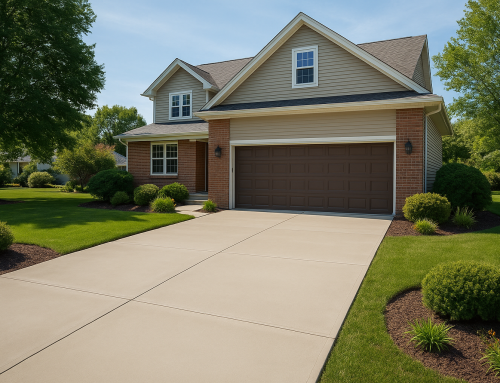
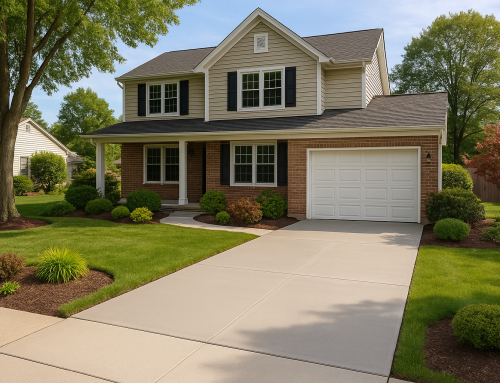
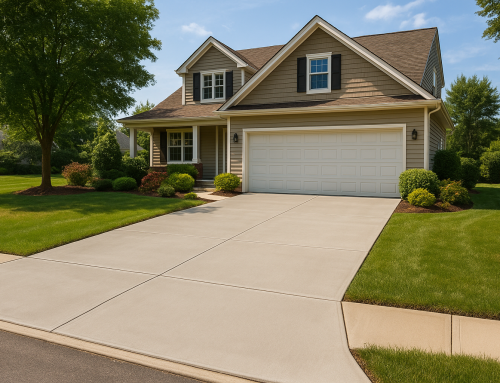
Stone is equally effective outdoors. Patios, garden paths, retaining walls, pool surrounds, and exterior facades all benefit from stone’s strength and natural appearance. In outdoor settings, weather resistance and slip resistance are especially important.
Commercial Spaces
In offices, hotels, restaurants, and retail environments, stone communicates quality and professionalism. It can stand up to frequent use while supporting a wide range of design styles, from sleek and modern to classic and traditional.
How to Care for Stone
Proper care helps any stone maintain its beauty. The first step is understanding the specific type of stone you have, since each one has different maintenance needs. In general, regular cleaning with a gentle, pH-neutral cleaner is a good habit. Harsh chemicals can damage the surface or dull the finish.
Sealing may also be necessary for some stones, especially those that are porous. A quality sealer helps protect against moisture and stains. The frequency of sealing depends on the stone type and how heavily it is used.
It is also helpful to clean spills quickly, use coasters and cutting boards, and avoid dragging heavy objects across stone surfaces. Small habits can make a big difference in preserving the look and performance of the material.
Common Mistakes to Avoid
One common mistake is choosing stone based only on appearance. Even the most beautiful stone can be frustrating if it does not suit the intended use. Another mistake is ignoring maintenance requirements. Some stones need more care than others, and that should be part of the decision-making process.
It is also important not to overlook installation quality. Skilled installation is essential for stone to perform properly and look its best. Poor installation can lead to uneven surfaces, cracking, or premature wear.
Conclusion
The perfect stone is the one that fits your project, lifestyle, and design goals. By considering durability, appearance, maintenance, and application, you can choose a stone that not only looks stunning but also performs well for years to come. With the right selection and care, stone becomes more than a material—it becomes a lasting part of the space.