Introduction
Mason stone work is one of the oldest and most respected building crafts in the world. From historic cathedrals and garden walls to modern fireplaces and facades, stone masonry brings strength, character, and lasting beauty to a structure. Whether you are planning a new build, restoring an older property, or simply exploring your options, understanding mason stone work can help you make better design and construction decisions.
At its core, stone masonry involves shaping, fitting, and laying natural or manufactured stone to create durable structures and decorative features. It requires skill, patience, and an eye for detail. The result is more than just a wall or surface—it is a finished piece that adds texture, value, and timeless appeal.
What Is Mason Stone Work?
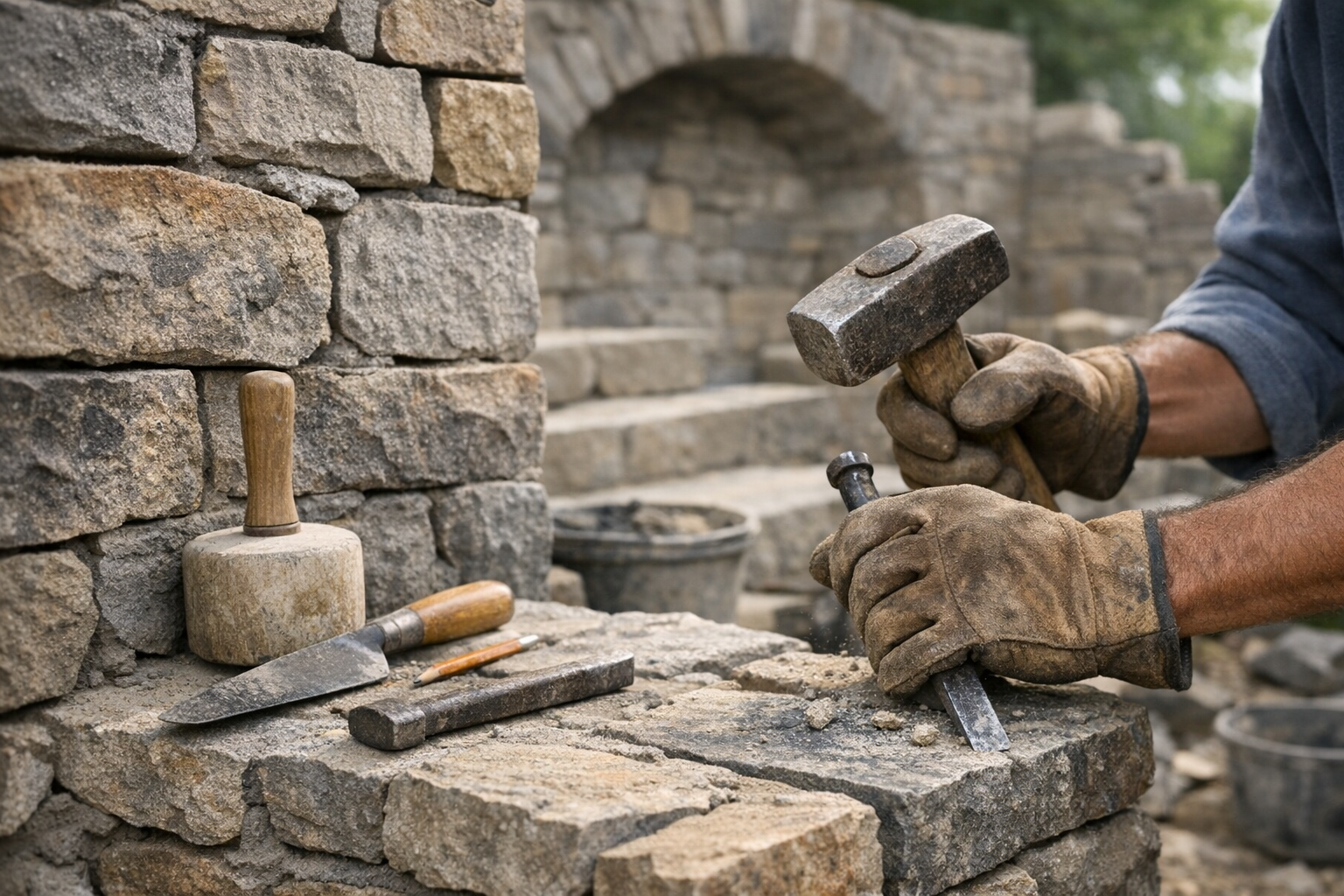
Mason stone work refers to the craft of building with stone using professional masonry techniques. A mason selects the right stones, prepares the surface or foundation, and installs each piece so it fits securely and performs well over time. This type of work may be structural, decorative, or both.
Stone masonry can be found in exterior walls, retaining walls, chimneys, arches, columns, patios, walkways, and interior accents such as hearths and feature walls. Depending on the project, the mason may work with natural stone like granite, limestone, slate, sandstone, or fieldstone, as well as manufactured stone veneer designed to mimic natural materials.
Types of Mason Stone Work
1. Ashlar Masonry
Ashlar masonry uses carefully cut and squared stones arranged in neat, even courses. This style creates a refined and formal appearance, making it a popular choice for high-end homes, civic buildings, and restoration projects. Because the stones are precisely shaped, ashlar work often requires advanced craftsmanship.
2. Rubble Masonry
Rubble masonry uses irregularly shaped stones that are fitted together with mortar. It can have a rustic, traditional look and is often less expensive than finely cut stone work. While the stones may not be perfectly uniform, a skilled mason can still create a strong and attractive result.
3. Dry Stone Work
Dry stone work is built without mortar. Instead, the mason carefully stacks stones so they interlock naturally and stay in place through weight and balance. This technique is often used for garden walls, terraces, and landscape features. It is both visually striking and environmentally friendly.
4. Veneer Stone Work
Stone veneer is a thinner layer of stone applied over a structural backing such as concrete block, framing, or drywall. It offers the look of full stone at a lower weight and often a lower cost. Veneer is commonly used on fireplaces, entryways, and exterior facades.
Benefits of Mason Stone Work
Durability and Longevity
Stone is one of the most durable building materials available. When installed properly, mason stone work can last for decades or even centuries with minimal maintenance. It stands up well to weather, wear, and time.
Timeless Aesthetic Appeal
Few materials match the natural beauty of stone. Each piece has unique color, texture, and character, giving every project a custom appearance. Stone adds depth and elegance to both traditional and contemporary designs.
Added Property Value
High-quality stone work can enhance curb appeal and increase the perceived value of a property. Buyers often appreciate the craftsmanship, durability, and upscale look that stone provides.
Versatility
Mason stone work can be adapted to many styles and uses. It works well in classic architecture, rustic settings, and modern design schemes. Stone can be used indoors or outdoors, structurally or decoratively.
The Mason Stone Work Process
Planning and Design
Every successful stone project begins with planning. The mason reviews the design, determines the stone type, and evaluates the site conditions. Load requirements, drainage, climate, and aesthetics all play a role in the final approach.
Stone Selection
Choosing the right stone is essential. Factors such as color, hardness, texture, size, and local availability influence the final result. Natural stone offers variation and authenticity, while manufactured stone may provide consistency and easier installation.
Surface Preparation
The surface or foundation must be properly prepared before installation begins. This may involve leveling, cleaning, waterproofing, or reinforcing the substrate. A strong base helps prevent cracking, shifting, and moisture problems later.
Cutting and Fitting
Masons use hand tools and power tools to shape stone as needed. Each piece must fit snugly with the surrounding stones. Careful cutting and placement are essential for both appearance and stability.
Setting and Finishing
Depending on the method, stone may be set with mortar or stacked dry. Joints are finished, excess mortar is removed, and the surface is cleaned. In many cases, a final sealant may be applied to help protect the stone from moisture and staining.
Common Applications of Mason Stone Work
Mason stone work is used in many parts of a home or property. Exterior walls and facades create a strong first impression. Retaining walls help manage slopes while adding structure to landscapes. Fireplaces and chimney surrounds bring warmth and a focal point to interior spaces.
Stone is also popular for outdoor kitchens, patios, pillars, entry columns, steps, and walkways. In restoration projects, stone masonry helps preserve the character of historic buildings while maintaining structural integrity.
Maintenance and Care
Although stone is durable, it still benefits from basic care. Regular cleaning helps prevent dirt, moss, and staining from building up. It is also important to inspect mortar joints, drainage, and any signs of cracking or movement. Prompt repairs can prevent small problems from becoming larger and more expensive.
For many stone surfaces, sealing may help reduce moisture absorption and make cleaning easier. However, the right maintenance approach depends on the type of stone and where it is installed. A knowledgeable mason can recommend the best care routine for long-term performance.
How to Choose the Right Mason
Choosing the right professional is just as important as selecting the right stone. Look for a mason with experience in the specific type of work you need, whether that is structural stone, veneer, dry stack walls, or restoration. Ask to see a portfolio of completed projects and check references when possible.
A reliable mason should provide clear communication, detailed estimates, and a realistic timeline. They should also understand local building codes and proper installation methods. Quality craftsmanship may cost more upfront, but it often saves money over time by reducing repairs and extending the life of the project.
Conclusion
Mason stone work combines artistry, skill, and lasting performance in a way few building materials can match. From elegant facades to functional landscape walls, stone adds beauty and strength that stand the test of time. With careful planning, proper installation, and regular maintenance, stone masonry can remain a lasting feature of any property for generations.