What Commercial Masonry Companies Do
Commercial masonry companies specialize in building, repairing, and restoring structures made from brick, stone, concrete block, and other masonry materials. Unlike residential masonry, commercial projects often involve larger buildings, stricter safety requirements, tighter deadlines, and a need to coordinate with architects, engineers, general contractors, and property managers.
These companies handle a wide range of services, including new construction, facade installation, structural repairs, waterproofing, tuckpointing, and historical restoration. They work on office buildings, retail centers, schools, hospitals, warehouses, apartment complexes, and municipal facilities. In many cases, masonry is not just decorative. It plays a major role in a building’s durability, fire resistance, energy performance, and long-term value.
Because commercial projects are highly visible and often subject to building codes, a skilled masonry contractor brings both technical expertise and project management experience. The right company helps ensure the work is completed correctly, safely, and with minimal disruption to business operations.
Services Offered by Commercial Masonry Companies
Commercial masonry companies provide a broad range of services to meet the needs of different property types and project sizes. While each contractor may specialize in certain areas, most offer a combination of installation, repair, and maintenance solutions.
New Masonry Construction
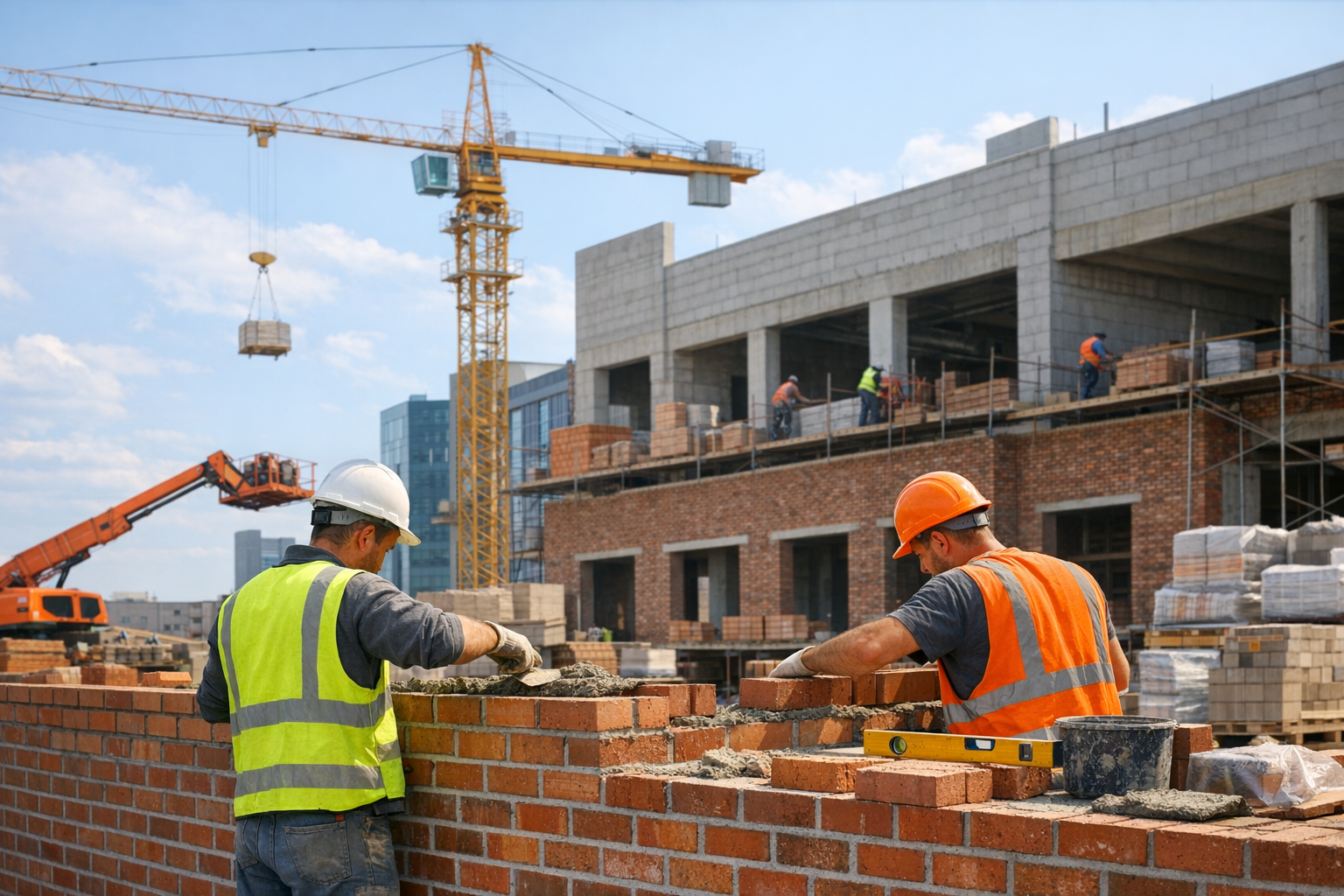
New construction services include building brick walls, stone veneers, concrete block walls, retaining walls, and other structural or decorative masonry elements. Commercial masonry crews often work as part of a larger construction team, following detailed plans and meeting precise specifications.
Masonry Repair and Restoration
Over time, masonry can crack, shift, or deteriorate due to weather, moisture, age, or structural movement. Repair services may include replacing damaged bricks, repairing mortar joints, rebuilding walls, and correcting water intrusion issues. Restoration work is especially important for older commercial buildings that need to preserve their original appearance while improving structural integrity.
Tuckpointing and Repointing
Tuckpointing and repointing are essential maintenance services for masonry walls. These processes involve removing damaged mortar and replacing it with fresh mortar to restore strength, stop moisture penetration, and improve appearance. For commercial properties, routine repointing can extend the life of a building envelope and help prevent costly repairs later.
Facade and Exterior Work
Many commercial masonry companies focus on exterior building envelopes, including facades, cladding, ledges, parapets, and decorative elements. Since the exterior is the first line of defense against the elements, quality masonry work helps protect the structure while enhancing curb appeal and branding.
Waterproofing and Moisture Control
Moisture is one of the biggest threats to masonry buildings. Professional contractors may install waterproof coatings, sealants, flashing, and drainage solutions to reduce water damage. Addressing moisture issues early can prevent mold, efflorescence, freeze-thaw damage, and interior leaks.
Why Commercial Masonry Is Important
Commercial masonry is about more than appearance. It contributes to a building’s performance, safety, and long-term cost efficiency. Businesses and property owners rely on masonry because it offers several important benefits.
First, masonry is highly durable. Brick, stone, and concrete block can withstand heavy use and harsh weather when properly installed and maintained. Second, masonry provides excellent fire resistance, which is a major advantage for commercial buildings where safety standards are strict. Third, masonry can support energy efficiency by helping regulate indoor temperatures when combined with proper insulation and wall systems.
Masonry also adds value to a property. A well-maintained brick or stone exterior can improve the building’s image, attract tenants or customers, and reduce future maintenance costs. For owners managing large facilities, investing in masonry quality today often prevents larger structural problems tomorrow.
How to Choose the Right Commercial Masonry Company
Selecting the right contractor is one of the most important decisions in any commercial project. The best commercial masonry companies combine craftsmanship, reliability, and strong communication.
Look for Relevant Experience
Commercial masonry is different from small residential work. Choose a company with proven experience in projects similar to yours, whether that means multi-story buildings, historical properties, industrial sites, or tenant improvement work. Ask for examples of completed projects and references from previous clients.
Verify Licensing, Insurance, and Safety Practices
Commercial contractors should carry the proper licenses and insurance for the work they perform. Safety is especially important on job sites with heavy materials, scaffolding, and active operations nearby. A trustworthy company follows OSHA guidelines, uses trained crews, and maintains a strong safety record.
Evaluate Communication and Planning
Good masonry work depends on careful planning and clear communication. The contractor should be able to explain the scope of work, timeline, material choices, and potential challenges. They should also coordinate effectively with other trades to keep the project moving smoothly.
Ask About Materials and Workmanship
Different projects require different materials and methods. A quality masonry company should recommend the right brick, stone, mortar, block, or sealant for the building and climate. They should also stand behind their workmanship with a clear warranty or service commitment.
Common Projects for Commercial Masonry Companies
Commercial masonry companies work on many types of projects, including office buildings, schools, hospitals, retail centers, churches, hotels, warehouses, and multifamily housing. Some projects are new construction, while others involve preserving an existing structure or addressing urgent repairs.
For example, a retail center may need facade upgrades to improve appearance and protect against leaks. A school may require masonry restoration to address aging walls and ensure safety. A warehouse might need block wall repairs after settlement or impact damage. In each case, a skilled masonry contractor helps tailor the solution to the building’s needs and budget.
Conclusion
Commercial masonry companies play a vital role in building, protecting, and improving modern properties. From new construction to restoration and maintenance, their work supports safety, durability, and long-term value. Choosing an experienced contractor can make a major difference in the performance and appearance of any commercial building.