Introduction
Masonry companies—often shortened to “masonry co.”—are specialists in building and repairing structures made from brick, stone, concrete block, and other durable materials. Whether you’re planning a new home, restoring a historic façade, or adding a garden wall, understanding what a masonry co. does and how to choose the right team will help your project run more smoothly and last for decades.
What a Masonry Co. Does
Masonry companies handle a wide range of projects for residential, commercial, and public clients. Their expertise covers materials, structural requirements, aesthetic details, and long-term maintenance.
Brickwork
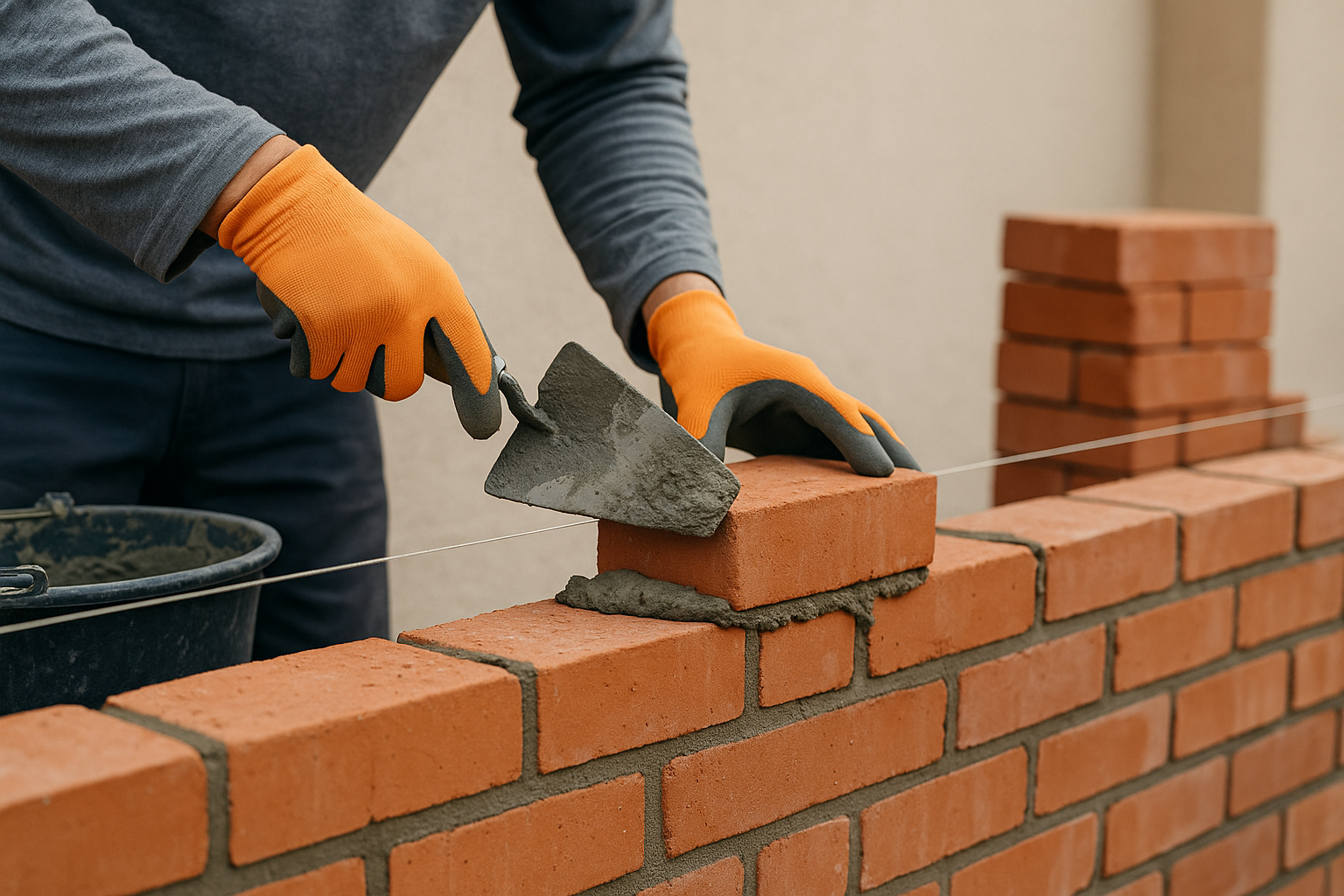
Brick is a classic, low-maintenance material used for walls, chimneys, veneers, and walkways. Masonry companies lay bricks using mortar joints tailored to the project’s style and structural needs.
Stonework
Stone can be natural or manufactured and offers unique character. Masonry co. teams shape and set stones for facades, patios, retaining walls, and architectural accents.
Concrete Block and Structural Masonry
Concrete block is common in foundations and load-bearing walls. Masonry contractors ensure blocks are laid level, reinforced where necessary, and tied into footings and other structural elements.
Repair, Restoration, and Repointing
Older masonry requires repair to address cracked mortar, loose bricks or stones, and water damage. Repointing (replacing old mortar) restores structural integrity and appearance while preserving historic character.
Hardscaping and Specialty Projects
Many masonry companies also build patios, fire pits, outdoor kitchens, steps, and custom stone features. These projects blend functionality with aesthetic design for outdoor living spaces.
How to Choose the Right Masonry Co.
Selecting the right contractor affects quality, cost, and your long-term satisfaction. Use the steps below to evaluate potential masonry companies.
Check Credentials and Experience
Look for companies with a proven history in the specific type of work you need. Experience with local climate and building codes is especially important for long-lasting results.
Review Portfolios and References
Ask for before-and-after photos or site visits to completed projects. Contact previous clients to learn about communication, timelines, and workmanship.
Verify Licensing and Insurance
Confirm that the company holds any required contractor licenses and carries liability insurance and workers’ compensation. This protects you from liability and ensures the contractor meets regulatory standards.
Get Written Estimates and Contracts
Obtain detailed written estimates that list materials, labor, timelines, and payment schedules. A clear contract reduces misunderstandings and provides recourse if issues arise.
Costs and Timelines
Masonry projects vary widely in cost and duration depending on materials, complexity, and site conditions.
What Affects Cost
- Material choice (natural stone is typically more expensive than brick or manufactured stone)
- Site preparation, excavation, and foundation work
- Labor intensity—detailed stone patterns or custom carving increases time and cost
- Accessibility and weather-related delays
Typical Timelines
Small repairs can take a day or two, while full façades, foundations, or large hardscaping projects can take several weeks. Seasonal weather (freeze/thaw cycles) may extend timelines, so plan accordingly.
Maintenance and Longevity
One of masonry’s biggest advantages is durability. Proper installation and periodic maintenance keep structures strong and attractive for generations.
Routine Maintenance Tips
- Inspect mortar joints annually and after severe weather.
- Keep vegetation trimmed to prevent roots and vines from damaging masonry.
- Ensure proper drainage to avoid water pooling at foundations and walls.
- Use gentle cleaning methods—avoid high-pressure washing on older mortar.
Signs You Need Repairs
Look for crumbling or missing mortar, bulging walls, cracked bricks or stones, and persistent moisture stains. Early intervention prevents small problems from becoming costly structural issues.
Sustainability and Material Choices
Masonry can be a sustainable choice: durable materials reduce replacement needs, and many bricks or stones can be reclaimed and reused. Ask your masonry co. about locally sourced materials, reclaimed stone options, and mortar mixes that use lower-impact cements.
Working Successfully with Your Masonry Co.
Clear communication and realistic expectations make projects smoother. Confirm a project schedule, materials list, cleanup responsibilities, and payment terms before work begins. Regular site check-ins help keep the project aligned with your vision.
Conclusion
Choosing a skilled masonry co. ensures your brick, stone, or concrete project will be both beautiful and long-lasting. By vetting experience, checking references, and planning for maintenance, you’ll get the best value and durability from your investment.