
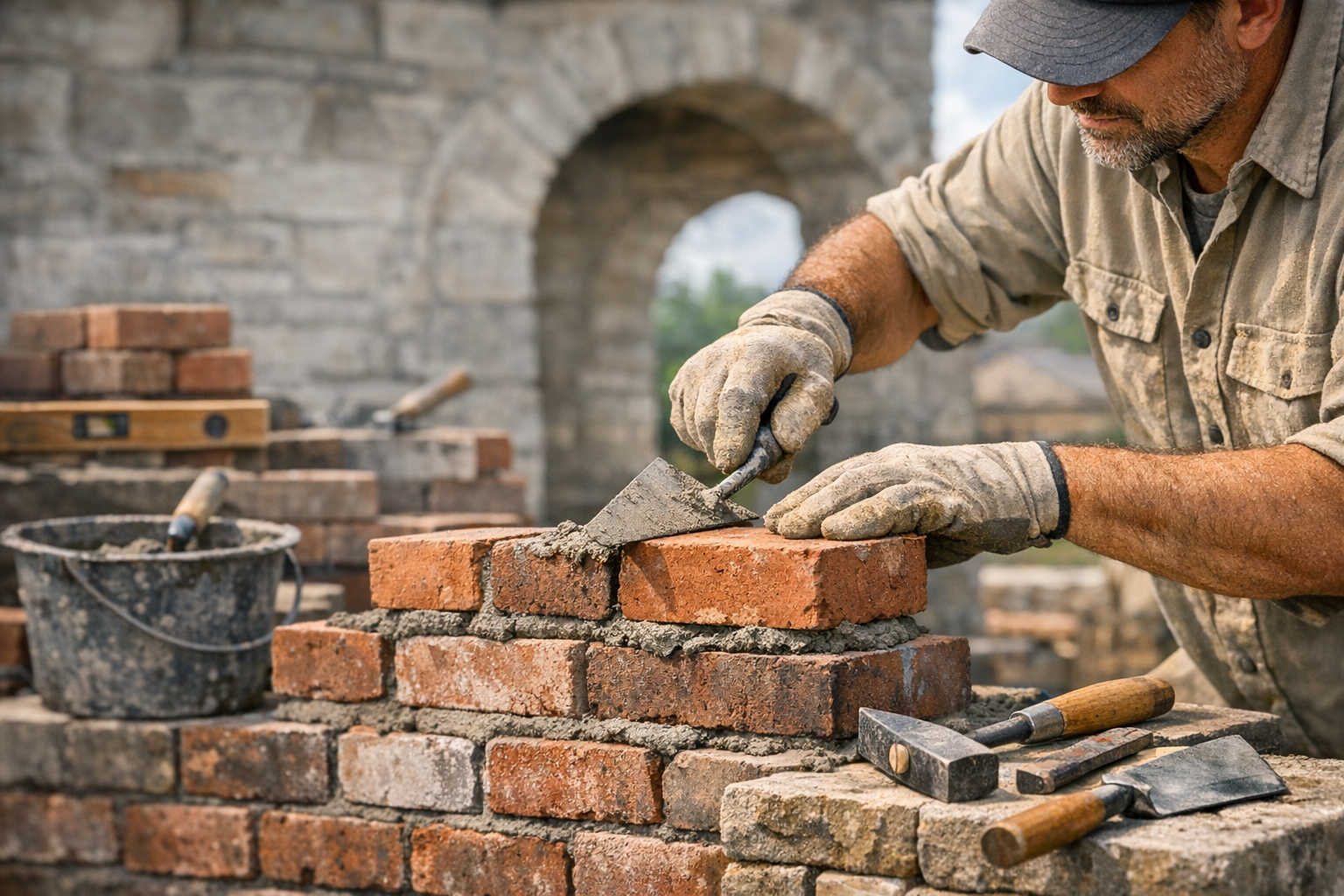
Introduction to Mason Work
Mason work is one of the oldest and most respected building trades in the world. It involves constructing, repairing, and restoring structures made from brick, stone, concrete block, and other durable materials. From historic landmarks to modern homes, mason work plays a major role in creating buildings that are strong, long-lasting, and visually appealing.
What makes mason work especially valuable is its combination of strength and craftsmanship. A skilled mason does more than simply stack materials together. They shape, align, and secure each element with precision so the final structure can stand the test of time. Whether the project is a fireplace, patio, retaining wall, or exterior facade, quality mason work adds both function and beauty.
What Does Mason Work Include?
Mason work covers a wide range of construction and repair tasks. In general, it involves using materials such as brick, natural stone, concrete block, and mortar to build structures or decorative features. Masons may work on residential, commercial, or public projects, depending on their specialty and experience.
Common mason work includes building walls, chimneys, walkways, patios, steps, fireplaces, and foundations. Masonry is also used in restoration work, where older structures need to be repaired without losing their original character. In many cases, mason work is chosen because it offers durability, fire resistance, and a classic appearance that other materials cannot easily match.
Brick Masonry
Brick masonry is one of the most common forms of mason work. Bricks are arranged in patterns and held together with mortar to create walls, chimneys, and other structural features. Brick is popular because it is reliable, attractive, and relatively low maintenance. It can be used in both traditional and modern designs, making it a versatile choice for many projects.
Stone Masonry
Stone masonry uses natural or cut stone to create durable and decorative structures. This type of mason work is often seen in retaining walls, facades, patios, and landscaping features. Stone gives a project a timeless, high-end look and can last for decades when installed correctly. Because natural stone varies in shape and texture, this work requires a skilled hand and attention to detail.
Concrete Block Masonry
Concrete block masonry is widely used in construction because it is strong, practical, and cost-effective. Concrete blocks are often used for foundations, basements, and structural walls. They can also be covered with other finishes for a more polished appearance. This type of mason work is especially valued in projects where strength and efficiency are priorities.
Why Quality Mason Work Matters
High-quality mason work is important for both structural performance and appearance. Poorly installed masonry can lead to cracks, moisture problems, uneven surfaces, and costly repairs. On the other hand, well-done masonry helps a building remain stable and attractive for many years.
One of the biggest advantages of mason work is its durability. Brick, stone, and block structures can handle weather, wear, and time better than many other materials. Masonry also offers fire resistance, sound insulation, and energy efficiency when properly designed and installed. These benefits make it a smart choice for homeowners and builders alike.
In addition to practical benefits, masonry can significantly improve a property’s curb appeal. A beautifully built stone wall or brick exterior adds character and value to a home or business. This combination of function and style is a major reason mason work remains so popular.
Skills and Tools Used in Mason Work
Mason work requires a mix of physical skill, technical knowledge, and careful planning. Masons must know how to read plans, measure accurately, mix mortar correctly, and place materials with precision. They also need a strong understanding of how different materials behave in various weather and structural conditions.
Some of the most common tools used in mason work include trowels, levels, hammers, chisels, jointers, masonry saws, and measuring devices. These tools help masons cut, shape, align, and finish materials properly. A mason’s skill with these tools often determines the quality and lifespan of the finished project.
Beyond tools, experience plays a major role. A seasoned mason can spot potential issues early, such as weak joints, drainage concerns, or settling problems. This ability helps prevent future damage and ensures the work is completed to a high standard.
Common Mason Work Projects
Mason work appears in many different types of projects, from small upgrades to major construction. Homeowners often hire masons for patios, walkways, garden walls, fireplaces, and chimney repairs. These projects not only improve the look of a property but also increase its usefulness and longevity.
In commercial settings, mason work is used for building facades, structural walls, entryways, and decorative features. Public spaces may also include masonry in bridges, monuments, schools, and civic buildings. Because masonry is both functional and attractive, it remains a trusted option across many industries.
Restoration is another important area of mason work. Older buildings often need brick replacement, mortar repointing, or stone repair to preserve their original structure and appearance. This type of work requires patience and expertise, especially when matching materials and design details.
How to Maintain Masonry
Even though masonry is durable, it still needs regular care to stay in good condition. Simple maintenance can help prevent small problems from becoming major repairs. Homeowners should inspect masonry surfaces for cracks, loose mortar, stains, or signs of water damage.
Cleaning masonry gently is another important step. Harsh chemicals or high-pressure washing can damage surfaces, so it is best to use methods appropriate for the specific material. If mortar joints begin to deteriorate, repointing may be needed to restore strength and protect against moisture.
It is also wise to address drainage issues around masonry structures. Water is one of the biggest threats to brick and stone work, especially during freezing and thawing cycles. Proper maintenance helps extend the life of masonry and keeps it looking its best.
Choosing a Mason for Your Project
When hiring a mason, look for experience, references, and a portfolio of completed work. A qualified mason should understand the specific material and style your project requires. They should also communicate clearly about costs, timelines, and the steps involved in the job.
It is a good idea to ask about licensing, insurance, and warranties if applicable. A reliable professional will be upfront about these details and confident in the quality of their work. Taking time to choose the right mason can make a major difference in the final result.
Conclusion
Mason work combines strength, skill, and artistry in a way few other trades can match. From brick walls and stone patios to foundation work and historic restoration, masonry continues to play an essential role in construction. With proper care and expert craftsmanship, mason work can deliver beauty and durability that lasts for generations.