What Makes the Best Concrete?
When people search for the best concrete, they usually want a mix that delivers the right balance of strength, durability, workability, and cost. The best choice is not always the highest-strength concrete available. Instead, it is the mix that matches the needs of your project, whether you are pouring a driveway, slab, patio, foundation, or commercial floor.
Concrete is made from cement, water, sand, and aggregate, but the quality of the final result depends on more than the ingredients. Mix design, water-to-cement ratio, curing, and environmental conditions all affect performance. A high-quality concrete mix should resist cracking, handle weather exposure, support the required load, and finish smoothly.
Key Factors to Consider When Choosing Concrete
Before selecting a concrete mix, think about how the structure will be used and what conditions it will face. The right answer for a backyard walkway may be very different from the right answer for a warehouse floor.
1. Strength Requirements
Concrete strength is usually measured in PSI, or pounds per square inch. Common residential projects often use 3,000 to 4,000 PSI concrete, while heavier-duty applications may require 4,500 PSI or more. Higher strength is useful for load-bearing structures, but it may also increase cost.
2. Durability and Weather Resistance
The best concrete for outdoor use should withstand freeze-thaw cycles, moisture, and temperature changes. If your project is exposed to the elements, look for a mix with proper air entrainment and a low water-to-cement ratio. These features help the concrete resist cracking and surface damage over time.
3. Workability
Workability refers to how easy the concrete is to place, spread, and finish. A mix that is too stiff can be difficult to work with, while a mix with too much water may be easier to place but weaker after it cures. The best concrete offers good workability without sacrificing long-term performance.
4. Curing Time
Concrete does not reach full strength immediately. It gains strength over time through curing, which is the process of keeping it moist and at the right temperature so it can harden properly. Fast-setting mixes can be useful for repairs or time-sensitive projects, while standard mixes are often better for larger pours.
Types of Concrete for Common Projects
Different projects require different concrete formulations. Choosing the right type can improve results and reduce future repair costs.
Standard Ready-Mix Concrete
Ready-mix concrete is one of the most common and practical options for homeowners and contractors. It is delivered in a pre-measured blend and can be customized for different PSI levels and performance needs. This is often the best concrete for driveways, sidewalks, slabs, and foundations.
High-Strength Concrete
High-strength concrete is designed for structures that must support heavy loads or endure demanding conditions. It is commonly used in commercial buildings, parking structures, industrial floors, and bridge components. Although it offers excellent performance, it may not be necessary for lighter residential work.
Fiber-Reinforced Concrete
Fiber-reinforced concrete includes synthetic or steel fibers that help reduce cracking and improve toughness. It is especially useful for slabs, driveways, and floors that experience frequent traffic or temperature changes. This type of concrete can provide added durability without major changes to installation methods.
Fast-Setting Concrete
Fast-setting concrete is ideal for small repairs, post installation, or projects that need quick turnaround. It hardens faster than standard concrete, but that also means less working time. For larger projects, it may be harder to place and finish before it sets.
Decorative Concrete
If appearance matters, decorative concrete may be the best choice. This category includes stamped, stained, colored, and polished concrete. It can combine style with strength, making it popular for patios, entryways, and indoor floors.
How to Tell If Concrete Is High Quality
Not all concrete is created equal. A high-quality mix should be consistent, properly proportioned, and suited to the job. Here are a few signs you are getting a better product:
- Proper mix design: The ratio of cement, water, sand, and aggregate should be tailored to the project.
- Low water-to-cement ratio: Less excess water usually means stronger, more durable concrete.
- Good aggregate quality: Clean, well-graded aggregate improves strength and finish.
- Admixtures when needed: Additives can improve setting time, workability, freeze resistance, or strength.
- Reliable supplier: A trusted supplier helps ensure consistency from batch to batch.
Even the best concrete can fail if it is mixed incorrectly or not cured properly. That is why installation quality matters just as much as the product itself.
Best Concrete for Popular Uses
If you are wondering what concrete to use for a specific project, the following guidelines can help.
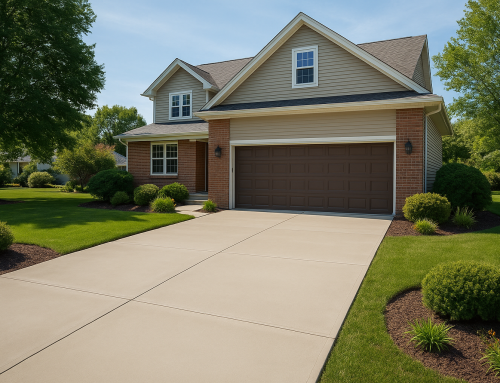
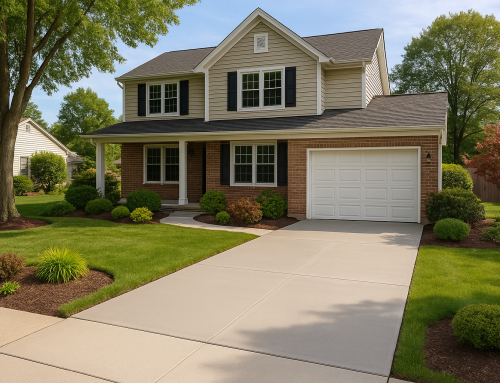
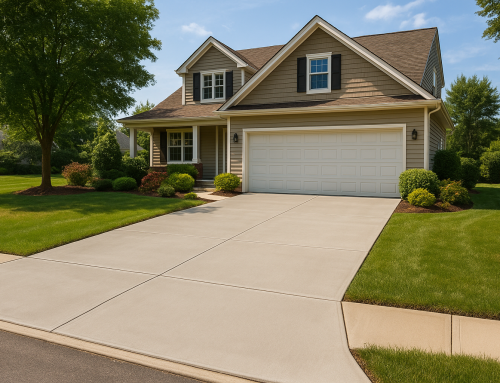
- Driveways: 4,000 PSI ready-mix concrete with air entrainment for durability.
- Patios: 3,000 to 4,000 PSI concrete, often with decorative options if aesthetics matter.
- Sidewalks: Standard ready-mix concrete with a finish suited for traction and weather exposure.
- Foundations: Higher-strength concrete designed for structural support and long-term stability.
- Garage and basement floors: Durable concrete with a smooth finish and proper moisture control.
If the project is in a region with harsh winters, salt exposure, or frequent moisture, durability should take priority over appearance alone.
Cost vs. Performance: Finding the Right Balance
The best concrete is not always the most expensive. In many cases, paying more for a mix with features you do not need simply adds cost without improving the outcome. On the other hand, choosing the cheapest option can lead to cracking, scaling, or premature wear.
The smartest approach is to match the mix to the project. For example, a decorative patio may need a different solution than a structural footing. It is often worth investing in better quality concrete if the project is difficult to replace or repair later.
Tips for Getting the Best Results
Even the best concrete will underperform if it is not placed and cured correctly. Keep these tips in mind for better results:
- Use the right mix for the application.
- Do not add extra water unless recommended by the supplier.
- Prepare the subgrade properly before pouring.
- Finish the surface at the right time, not too early or too late.
- Cure the concrete for the recommended period to maximize strength.
Proper installation can dramatically improve durability and reduce the chance of future repairs.
Conclusion
The best concrete is the one that fits your project’s strength, durability, appearance, and budget requirements. By understanding PSI, mix design, and application-specific needs, you can choose a product that performs well for years. Whether you are building a driveway, foundation, or decorative patio, taking time to select the right concrete pays off in long-term value.