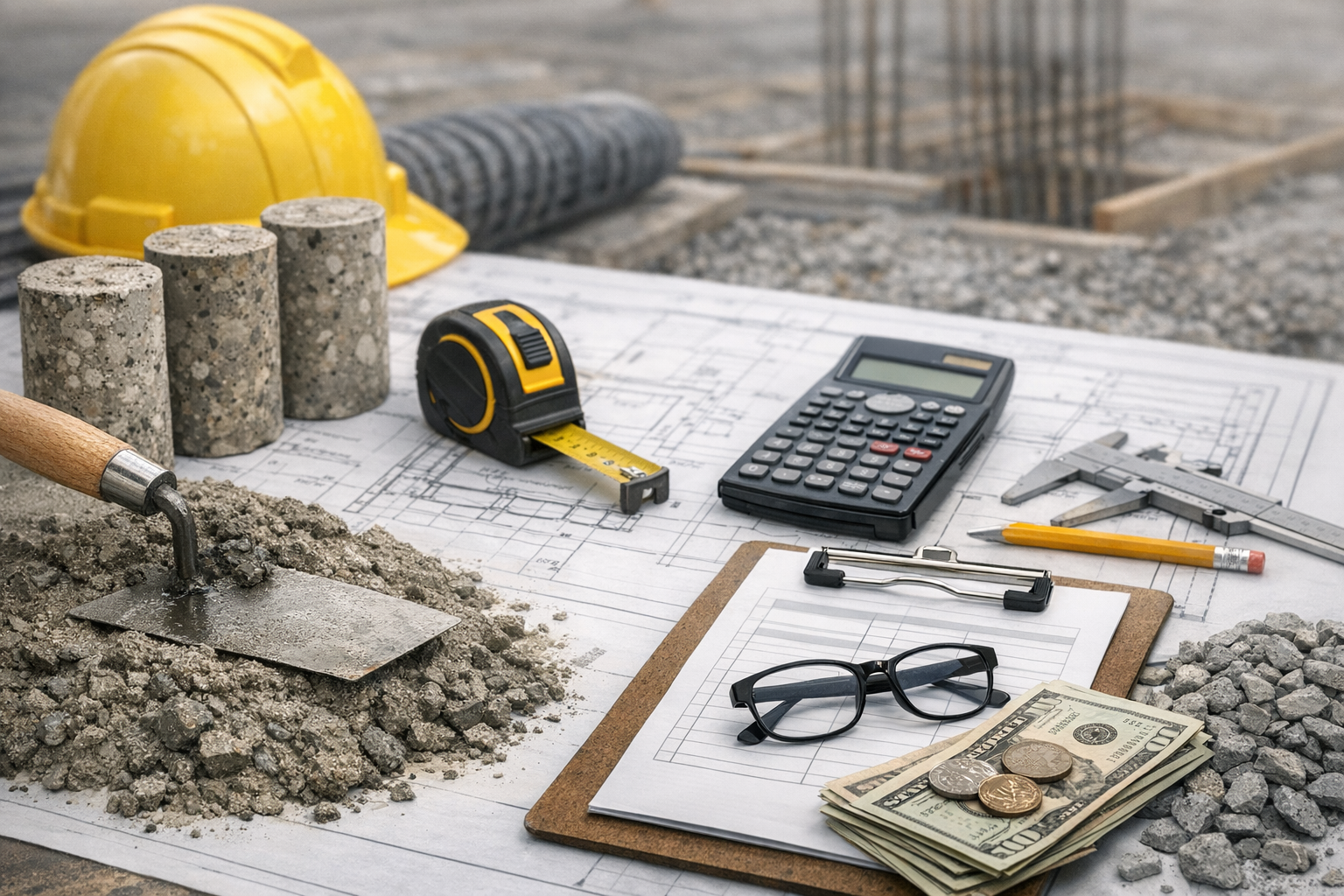
Understanding a Concrete Estimate
A concrete estimate is a detailed projection of how much a concrete project will cost before work begins. Whether you are planning a driveway, patio, foundation, sidewalk, slab, or retaining wall, a solid estimate helps you budget correctly and avoid surprises. It typically includes materials, labor, equipment, site preparation, permits, waste, and finishing costs.
Because concrete work can vary widely based on project size, design, and location, a reliable estimate is more than a rough guess. It is a practical planning tool that helps homeowners, contractors, and property managers compare bids, manage timelines, and make smarter decisions.
Why a Concrete Estimate Matters
Concrete projects often involve several variables that can change the final price quickly. A good estimate gives you visibility into those variables before commitments are made. It also helps prevent underbudgeting, which is one of the most common causes of delays and disputes on construction projects.
For homeowners, an estimate provides clarity when comparing contractor quotes. For contractors, it supports accurate bidding and better profit control. For larger jobs, such as commercial slabs or structural foundations, an estimate is essential for coordinating labor, delivery schedules, and material orders.
Key Factors That Affect Concrete Pricing
Project Size and Thickness
The most obvious cost driver is the total amount of concrete required. Larger areas need more material, more labor, and often more equipment. Thickness also matters. A 4-inch residential patio will cost less than a 6-inch driveway or an 8-inch structural slab because more concrete is needed.
Site Preparation
Before concrete is poured, the site must be properly prepared. This may include clearing debris, grading the ground, compacting the base, and setting forms. If the site has poor access, steep slopes, soft soil, or drainage problems, preparation costs can rise significantly.
Concrete Mix and Finish
Different mixes serve different purposes. Standard mixes are usually less expensive than high-strength or specialty mixes. Finishing choices also affect pricing. A basic broom finish costs less than stamped, colored, polished, or exposed aggregate finishes, which require extra labor and materials.
Labor and Local Rates
Labor is a major part of any concrete estimate. Rates vary by region, job complexity, crew size, and contractor experience. Urban areas or markets with high demand may have higher labor prices than rural areas. Skilled finishing work or decorative concrete also tends to cost more.
Reinforcement and Accessories
Some projects require wire mesh, rebar, vapor barriers, anchor bolts, or control joints. These items add durability and help concrete perform better over time, but they also increase the total estimate. Structural projects almost always need reinforcement, while decorative flatwork may need less.
Permits and Miscellaneous Costs
Depending on where you live, permits may be required for certain concrete jobs. You may also need to account for waste disposal, inspection fees, concrete delivery charges, pump truck rental, and cleanup. These smaller items can add up quickly if they are not included in the estimate.
How to Calculate a Concrete Estimate
A basic concrete estimate starts with measuring the area. For slabs and flatwork, calculate square footage by multiplying length by width. Then multiply by the desired thickness to determine volume. Concrete is usually ordered in cubic yards, so the volume must be converted from cubic feet or inches into yards.
Once you know the required volume, multiply it by the price per cubic yard from your supplier. After that, add estimated labor, formwork, reinforcement, finishing, delivery, and site preparation costs. Finally, include a contingency amount for waste or unexpected site conditions. Many professionals add 5% to 10% for overage and variability.
For example, a 20-by-20-foot patio at 4 inches thick requires about 4.9 cubic yards of concrete. If the material costs $150 per yard, the concrete alone would be around $735. After adding labor, forms, reinforcement, and finishing, the final estimate could be several times higher than the raw material cost.
Common Mistakes to Avoid
Forgetting Waste and Overages
Concrete estimates should always include a little extra material. If you order exactly what the math says, you risk coming up short due to uneven ground, spillage, or small calculation errors.
Ignoring Site Conditions
Flat, accessible sites are easier and cheaper to work on than uneven or obstructed areas. Failing to account for demolition, tree roots, drainage issues, or hauling can lead to major cost differences.
Comparing Price Only
The cheapest bid is not always the best value. A low estimate may exclude important items such as reinforcement, finishing, or cleanup. Review each quote carefully to understand exactly what is included.
Not Clarifying the Scope
Estimates should be based on a clear scope of work. If the dimensions, finish, thickness, or site conditions are vague, the final cost may change after the job starts.
Tips for Getting a More Accurate Concrete Estimate
Start with precise measurements and photos of the project area. Share details about thickness, intended use, finish type, and any special requirements. If possible, get multiple quotes from reputable contractors and compare them line by line.
Ask each contractor to explain what is included in the estimate, such as excavation, base material, reinforcement, delivery, and cleanup. If your project is large or complex, consider requesting a site visit. An on-site assessment usually leads to a much more accurate number than a phone-only quote.
It also helps to plan ahead. Scheduling during busy seasons may affect labor availability and pricing, so getting estimates early gives you more flexibility.
Conclusion
A well-prepared concrete estimate helps you budget with confidence, compare bids fairly, and avoid costly surprises. By understanding the major cost factors and asking the right questions, you can plan a smoother project and make better decisions from the start.