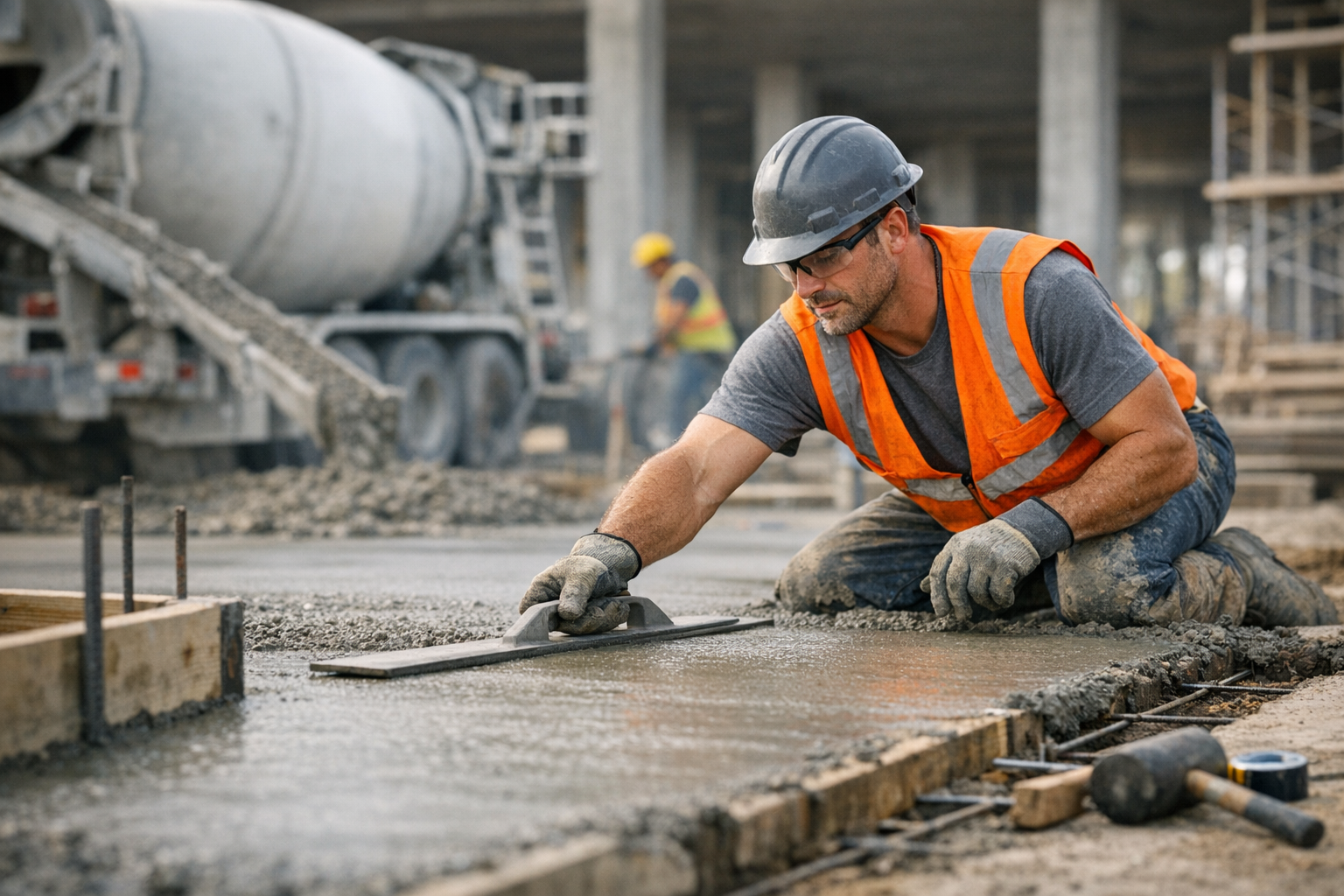
Understanding the Role of a Concrete Mason
A concrete mason is a skilled tradesperson who works with concrete to build, repair, and finish structures that are both durable and functional. From sidewalks and driveways to foundations, steps, patios, and retaining walls, concrete masons help shape many of the surfaces and structures people rely on every day. Their work combines technical knowledge, craftsmanship, and physical strength, making the trade essential in both residential and commercial construction.
Concrete is one of the most widely used building materials in the world, but getting strong, smooth, and long-lasting results takes more than simply pouring a mixture into a form. A concrete mason understands how to prepare the site, mix and place concrete correctly, finish surfaces to the right texture, and ensure the final product can handle weather, weight, and time.
What a Concrete Mason Does
The job of a concrete mason involves much more than pouring slabs. These professionals inspect project plans, measure and mark areas, build forms, install reinforcements, and manage the placement and finishing of concrete. Depending on the project, they may also cut, patch, resurface, seal, or repair existing concrete.
On a typical job site, a concrete mason may be responsible for leveling ground, setting grades, pouring concrete into forms, smoothing the surface, and adding textures or finishes. They also pay close attention to curing, which is the process that allows concrete to gain strength over time. Proper curing is critical for preventing cracks, weak spots, and premature damage.
Concrete masons often work closely with contractors, carpenters, laborers, and other construction professionals to make sure each phase of the project is completed accurately and on schedule. Whether building a new walkway or repairing a damaged foundation, precision matters at every step.
Key Skills and Qualities
Technical Knowledge
A strong understanding of concrete mixtures, setting times, reinforcement materials, and finishing methods is essential. Concrete masons must know how weather, temperature, and moisture affect the material and adjust their work accordingly.
Attention to Detail
Small mistakes in measuring, leveling, or finishing can lead to costly problems later. A concrete mason needs a sharp eye for alignment, slope, texture, and surface quality to ensure the final product is safe and attractive.
Physical Stamina
This is a physically demanding profession. Concrete masons lift heavy materials, work outdoors in varying conditions, and spend long hours standing, bending, or kneeling. Good endurance and strength are important for getting the job done efficiently.
Problem-Solving Ability
Job sites do not always go as planned. A concrete mason must be able to adjust when the weather changes, the ground shifts, or the project requires an unexpected solution. Practical thinking helps keep work on track.
Common Projects Concrete Masons Handle
Concrete masons work on a wide variety of projects. Some of the most common include:
- Foundations: Structural bases that support homes, garages, and commercial buildings.
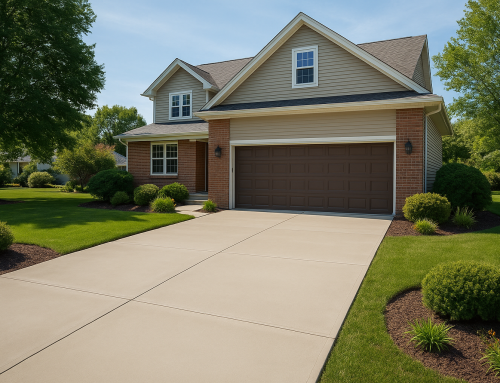
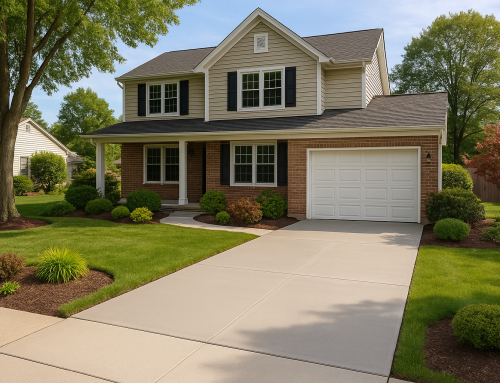
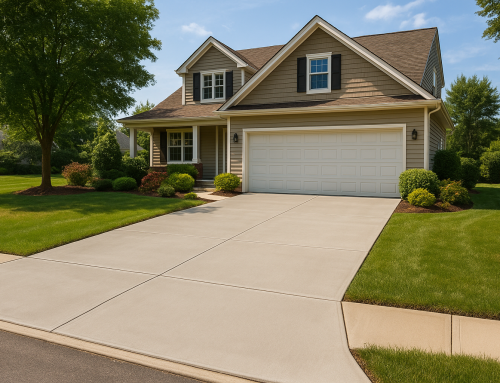
- Driveways and sidewalks: Durable surfaces built to handle foot traffic and vehicles.
- Patios and outdoor spaces: Functional and decorative areas for homes and businesses.
- Steps and stoops: Entryway features that must be both sturdy and visually appealing.
- Retaining walls: Structures designed to hold back soil and manage elevation changes.
- Concrete repairs: Patching cracks, resurfacing damaged areas, and restoring worn surfaces.
Some concrete masons also specialize in decorative work, such as stamped concrete, colored finishes, exposed aggregate, and custom edges. These finishes add visual appeal while still providing strength and durability.
Tools and Materials Used by Concrete Masons
Concrete masons rely on a range of tools to complete their work accurately. Common tools include trowels, screeds, floats, edgers, levels, formwork, shovels, and power tools for cutting and finishing. In larger projects, they may also use mixers, pumps, and compacting equipment.
The materials used typically include cement, sand, gravel, water, reinforcement steel, form boards, and sealants. The quality of these materials, along with the mason’s skill, determines how well the finished concrete performs over time.
Why Hiring a Skilled Concrete Mason Matters
Concrete is an investment, and poor workmanship can lead to cracks, uneven surfaces, drainage problems, and structural issues. Hiring a skilled concrete mason helps ensure the job is done right the first time. Experienced professionals know how to prepare the site, control the mix, finish the surface properly, and allow enough time for curing.
A well-executed concrete project can last for decades with minimal maintenance. That makes professional installation especially valuable for foundations, driveways, and other surfaces that must stand up to heavy use and changing weather conditions.
How to Choose the Right Concrete Mason
When selecting a concrete mason, look for experience, a strong portfolio, and positive customer reviews. Ask about previous projects similar to yours and make sure the contractor is licensed and insured where required. Clear communication is also important, especially when discussing timelines, materials, finishes, and cost estimates.
A reliable concrete mason should be able to explain the process, answer questions clearly, and provide realistic expectations for the project. Quality workmanship and professional service often go hand in hand.
Conclusion
A concrete mason plays a vital role in building strong, long-lasting structures that support homes, businesses, and public spaces. With the right mix of skill, experience, and attention to detail, these professionals turn raw concrete into durable surfaces and features that stand the test of time. Whether you are planning a new project or repairing an old one, choosing a skilled concrete mason makes all the difference.