What Is Masonry Concrete?
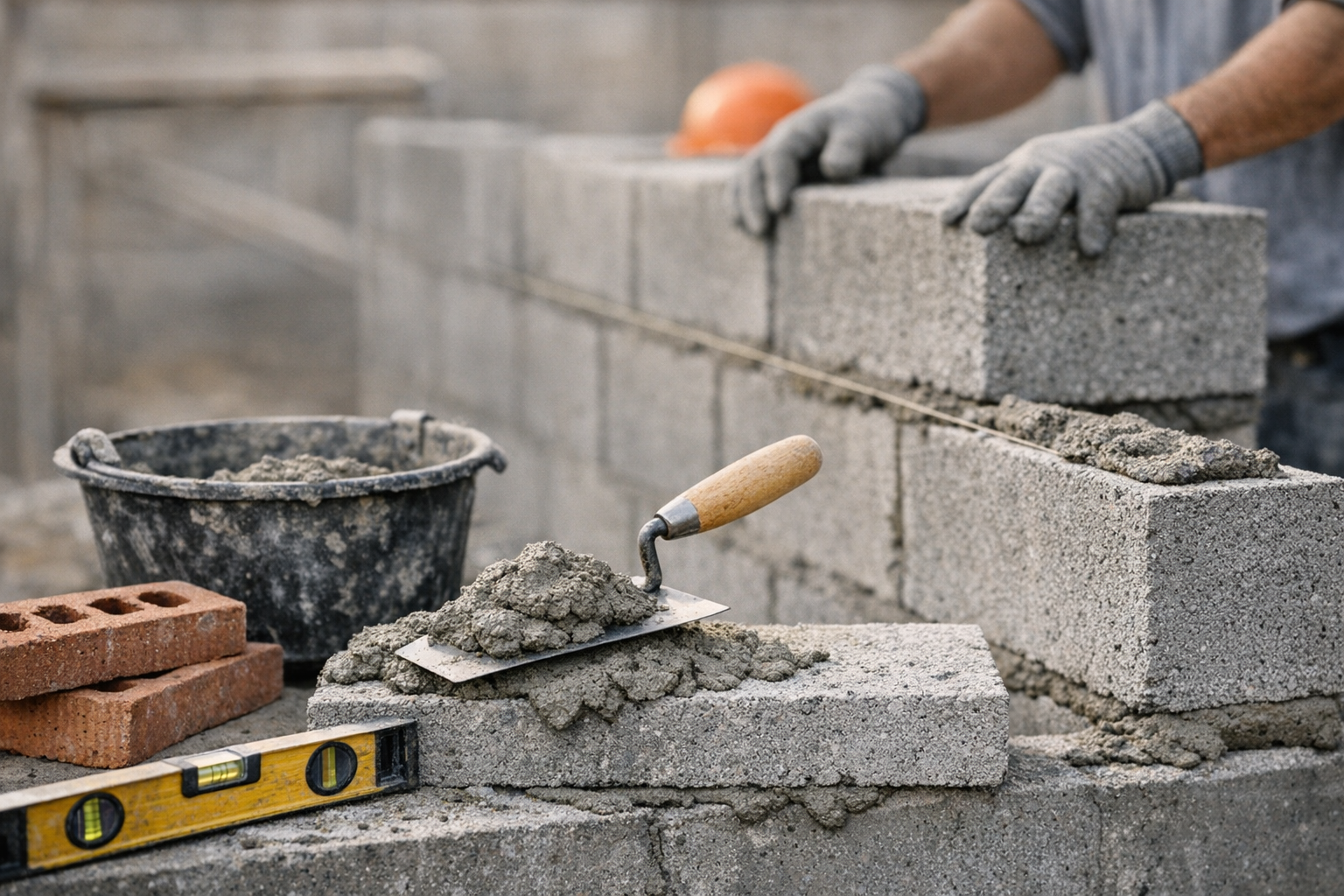
Masonry concrete is a versatile construction material used to build and bond masonry units such as concrete blocks, bricks, stone, and veneer systems. It refers to concrete products and mixes designed specifically for masonry work, where strength, durability, workability, and appearance all matter. In many projects, masonry concrete is used to create foundations, walls, retaining structures, decorative features, and structural elements that must perform well over time.
Unlike standard concrete pours used for slabs and driveways, masonry concrete is often formulated or selected for placement in smaller units, tighter joints, or reinforced assemblies. The goal is to make construction easier while producing a finished structure that is stable, weather-resistant, and visually clean. Whether you are building a residential wall or a commercial structure, understanding masonry concrete helps you choose the right material for the job.
Common Uses for Masonry Concrete
Retaining Structures
Masonry concrete is also a smart choice for retaining walls. These structures hold back soil and must withstand significant pressure over time. Properly designed masonry retaining walls can provide both function and visual appeal, especially when finished with decorative stone or textured block. Drainage, reinforcement, and correct footing design are essential to performance in these applications.
Decorative and Architectural Features
Beyond structural use, masonry concrete plays a major role in decorative construction. It is often used for fireplaces, outdoor kitchens, columns, planters, and landscape walls. Because masonry materials come in many shapes, colors, and finishes, they allow builders and designers to create attractive features that blend with the surrounding architecture. This makes masonry concrete popular in both residential and commercial design projects.
Benefits of Masonry Concrete
Durability and Strength
One of the biggest advantages of masonry concrete is its durability. It is built to withstand heavy loads, impact, weather exposure, and long-term wear. Properly installed masonry concrete structures can last for decades with minimal maintenance. This makes it a dependable choice for both structural and non-structural applications.
Fire Resistance
Masonry concrete is naturally fire-resistant, which adds an important layer of protection in homes and commercial buildings. Concrete and masonry materials do not burn, and they can help slow the spread of fire. This makes them especially valuable in walls, chimneys, fireplaces, and other areas where safety is a priority.
Energy Efficiency
Concrete masonry systems can contribute to energy efficiency by providing thermal mass. Thermal mass helps regulate indoor temperatures by absorbing heat during the day and releasing it later. When paired with proper insulation, masonry concrete can support more stable indoor comfort and potentially reduce heating and cooling demand.
Design Flexibility
Masonry concrete offers a wide range of design options. Builders can choose from different block sizes, textures, colors, and finishes to match the style of a property. This flexibility allows masonry concrete to serve both practical and aesthetic goals, making it a favorite material for custom homes, commercial façades, and landscape features.
Types of Masonry Concrete Materials
Concrete Masonry Units (CMUs)
CMUs are among the most common masonry concrete products. These standard blocks are used for walls, foundations, and partitions. They are available in different sizes and strengths and can be reinforced for added performance.
Mortar
Mortar is the bonding material that holds masonry units together. It is typically made from cement, sand, and water, sometimes with lime or additives for improved workability. The right mortar mix is important because it affects bond strength, ease of placement, and finished appearance.
Grout
Grout is used to fill voids in masonry units and around reinforcement. In reinforced masonry, grout helps lock steel bars in place and improve the structural capacity of the wall. It is an important part of many load-bearing and engineered masonry systems.
Best Practices for Working With Masonry Concrete
Plan the Structure Carefully
Successful masonry work starts with good planning. The design should account for load requirements, soil conditions, drainage, climate, and intended use. A poorly planned masonry structure may develop cracks, moisture problems, or stability issues over time. For important structural work, it is wise to follow local building codes and consult a qualified professional.
Use the Right Mix and Materials
Different projects require different masonry concrete products and mortar types. Using the correct mix ensures proper bonding, strength, and durability. Materials should also be compatible with the surrounding masonry units and exposure conditions. For example, exterior walls may need materials that handle freeze-thaw cycles and moisture more effectively.
Focus on Proper Installation
Even the best materials will underperform if they are installed poorly. Masonry units should be laid on a level base, aligned carefully, and fully bonded with mortar. Reinforcement, flashing, control joints, and drainage details should all be installed as designed. Good workmanship is one of the most important factors in long-term performance.
Allow for Maintenance
While masonry concrete is known for being low maintenance, it still benefits from periodic inspection. Mortar joints should be checked for deterioration, cracks should be repaired promptly, and drainage pathways should remain clear. Regular maintenance helps extend the life of the structure and prevents small issues from becoming major repairs.
Conclusion
Masonry concrete is a reliable, adaptable material that combines strength, durability, and design flexibility. From foundations and retaining walls to decorative features and structural systems, it remains a trusted choice in modern construction. With the right materials, careful planning, and proper installation, masonry concrete can deliver long-lasting performance and a polished finished look.