Construction Services Concrete: What to Know Before You Build
Concrete is one of the most important materials in modern construction. From residential driveways to commercial foundations and industrial floors, it provides the strength, durability, and versatility that many projects depend on. When people talk about construction services concrete, they are usually referring to a full range of services that include planning, pouring, finishing, repairing, and maintaining concrete structures.
Whether you are a homeowner planning a patio or a contractor managing a large development, understanding concrete construction services can help you make better decisions, avoid costly mistakes, and achieve long-lasting results. Below, we break down the key parts of concrete construction services and what to expect from a professional provider.
What Are Construction Services for Concrete?
Construction services for concrete cover all tasks related to concrete installation and upkeep. These services can range from small-scale work, such as sidewalks and curbs, to major structural projects, such as slabs, foundations, retaining walls, and parking structures.
A concrete contractor may handle the entire process, including site preparation, formwork, reinforcement, mixing, pouring, leveling, curing, and finishing. In some cases, services also include demolition, concrete cutting, resurfacing, sealing, and repair.
Common Concrete Services
- Foundations: Footings, slabs, and structural support for buildings.
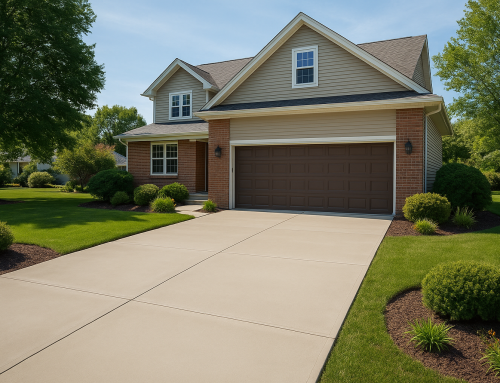
- Flatwork: Driveways, sidewalks, patios, and warehouse floors.
- Concrete repair: Patching cracks, resurfacing worn surfaces, and restoring damage.
- Decorative concrete: Stamped, stained, or colored concrete for visual appeal.
- Commercial concrete: Parking lots, loading docks, curbs, and structural slabs.
- Concrete removal and replacement: Safe demolition of old or failing concrete.
Why Concrete Is So Widely Used in Construction
Concrete remains a top choice because it offers an excellent balance of strength, cost, and adaptability. It can be shaped into many forms, reinforced for added load-bearing capacity, and finished in a variety of textures and styles. When installed correctly, concrete can last for decades with relatively low maintenance.
It is also highly useful in different environments. Concrete performs well in homes, commercial buildings, public infrastructure, and industrial settings. It can resist heavy traffic, support structural loads, and stand up to weather conditions when properly mixed and sealed.
Key Benefits of Concrete
- Durability: Built to handle heavy use and long-term wear.
- Versatility: Suitable for structural, functional, and decorative projects.
- Low maintenance: Requires only routine care when properly installed.
- Fire resistance: Performs well in fire-prone conditions compared with many materials.
- Value: Offers a strong return on investment over time.
The Concrete Construction Process
A successful concrete project depends on careful preparation and skilled execution. While each job is different, most construction services follow a similar sequence of steps. Understanding this process can help you know what to expect and how to evaluate a contractor’s work.
1. Planning and Site Evaluation
The process begins with assessing the site, measuring the area, and identifying soil or drainage issues. Contractors also consider the purpose of the structure, load requirements, and project timeline. Good planning helps prevent future settling, cracking, or drainage problems.
2. Forming and Reinforcement
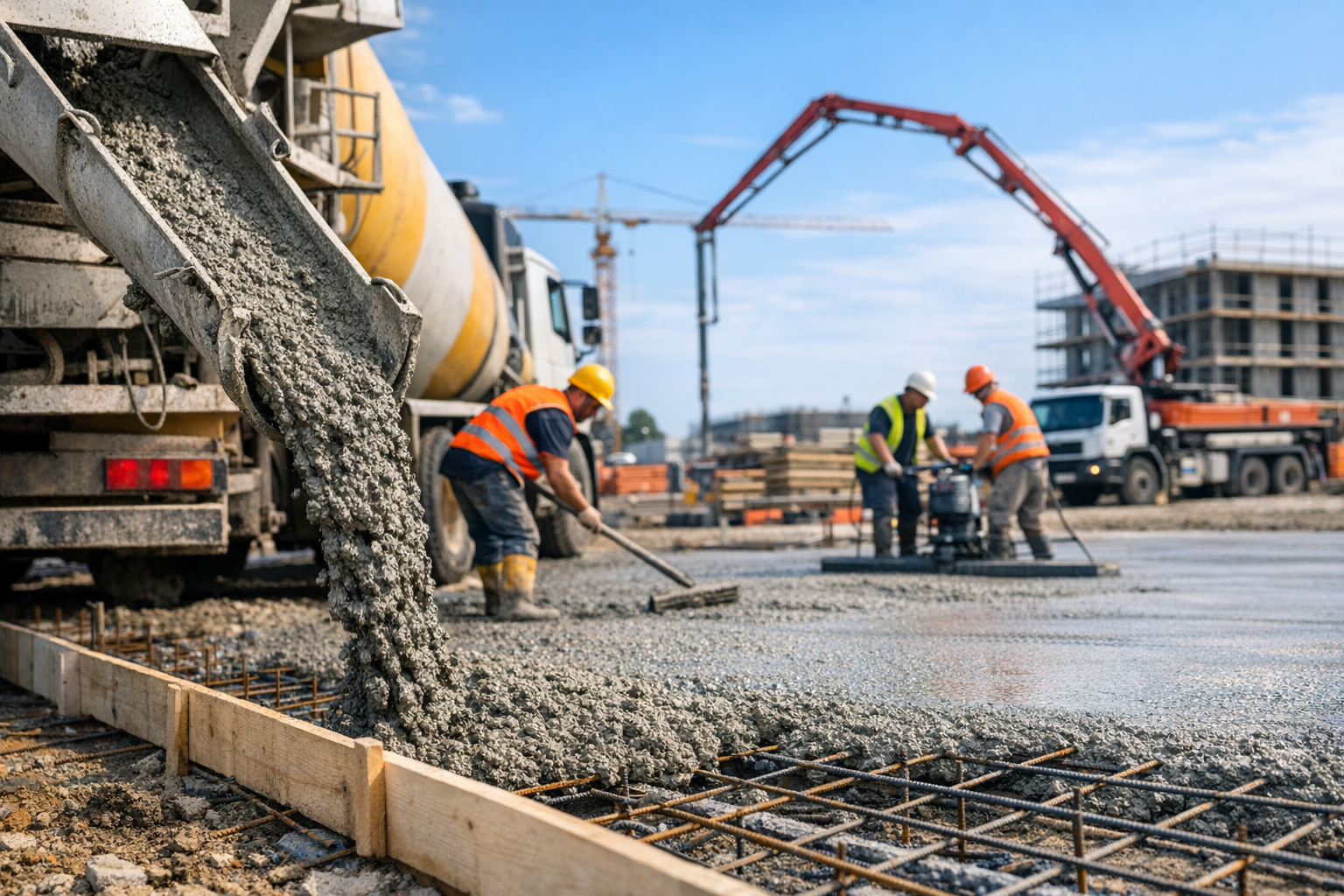
Forms are built to shape the concrete and keep it in place while it sets. Reinforcement such as rebar or wire mesh may be added to improve strength and reduce cracking. This stage is especially important for foundations, slabs, and other load-bearing structures.
3. Pouring and Placement
Once the site is ready, the concrete is mixed and poured into the forms. Workers spread and level the material quickly to maintain consistency before it begins to set. Timing matters, since concrete must be handled efficiently to achieve a smooth and uniform result.
4. Finishing
Finishing gives the surface its final appearance and function. Depending on the project, this may involve smoothing, troweling, broom finishing, edging, or stamping. The right finish can improve slip resistance, durability, and visual appeal.
5. Curing
Curing is one of the most important parts of the process. Concrete gains strength as it cures, and proper moisture control is essential. Rushing this stage can lead to weak spots, surface defects, and premature failure. A professional contractor will recommend the right curing methods and timeline.
Choosing the Right Concrete Contractor
Not all concrete contractors offer the same level of skill or service. Choosing the right provider can make a major difference in quality, durability, and overall project satisfaction. Look for a contractor with proven experience, proper licensing and insurance, and a portfolio of completed work similar to your project.
It is also wise to ask about materials, reinforcement methods, curing practices, and project scheduling. A reliable contractor should be transparent about costs, timelines, and potential challenges. Clear communication is often a good sign that the work will be handled professionally.
Questions to Ask Before Hiring
- How long have you been providing concrete construction services?
- Do you handle both residential and commercial projects?
- What type of concrete mix and reinforcement do you recommend?
- How will you prepare the site and manage drainage?
- What does your curing and sealing process include?
When Repairs or Replacement Are Needed
Even strong concrete can eventually show signs of wear. Cracks, spalling, sinking, and surface erosion are common issues that may signal the need for repair or replacement. Small cosmetic cracks may be addressed with patching or resurfacing, while deeper structural problems could require removal and repouring.
If you notice uneven surfaces, water pooling, or widening cracks, it is best to have the concrete evaluated quickly. Early intervention can prevent more expensive damage and improve safety.
Conclusion
Construction services concrete play a central role in building safe, functional, and long-lasting structures. From foundations to decorative finishes, professional concrete work requires planning, precision, and proper curing. By understanding the process and choosing the right contractor, you can ensure your project is built to perform for years to come.