Introduction
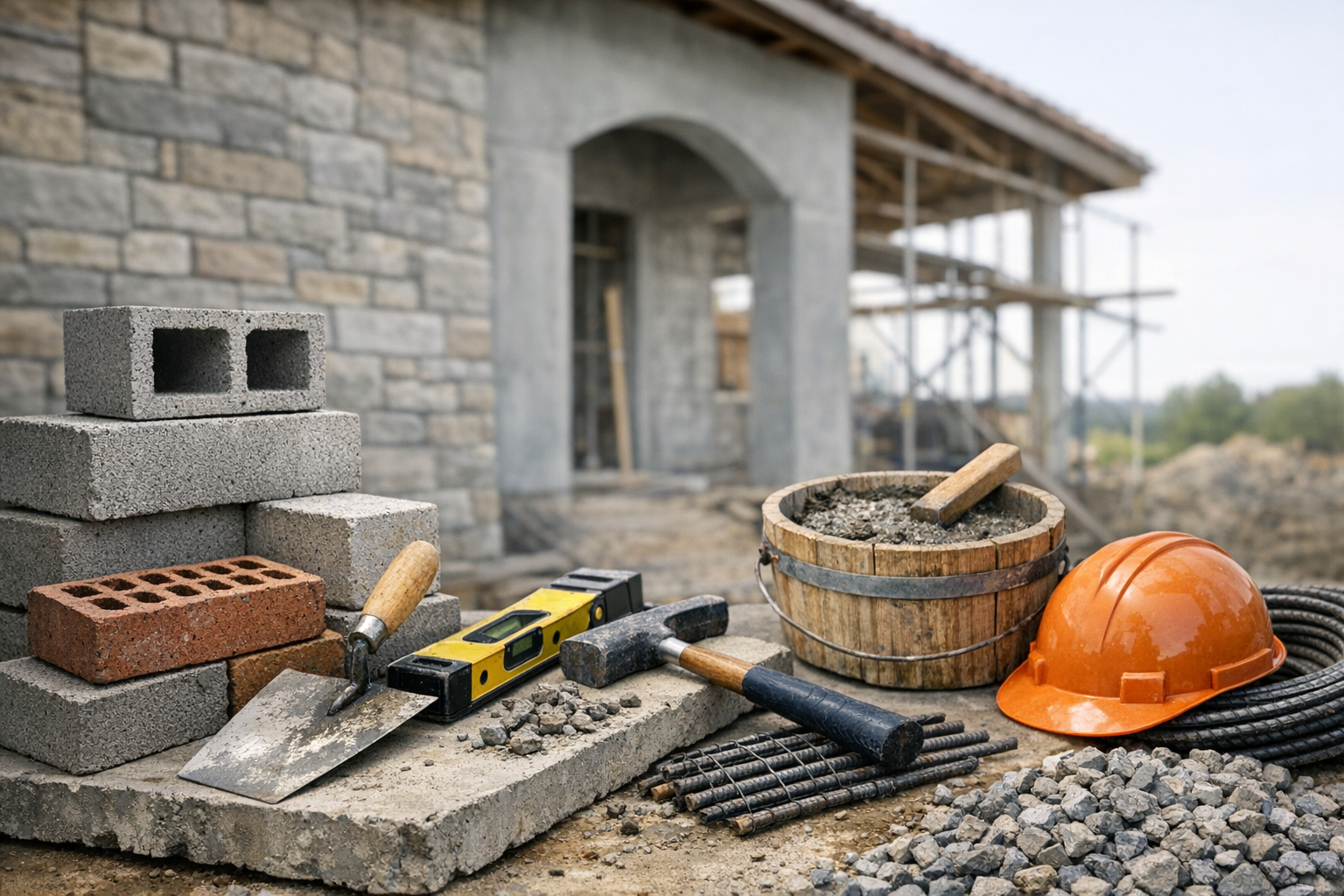
Concrete and masonry are two of the most trusted materials in construction, known for their strength, versatility, and long-lasting performance. From driveways and patios to retaining walls, foundations, chimneys, and decorative hardscapes, these materials shape the look and durability of homes and commercial spaces alike. When properly installed and maintained, concrete and masonry can deliver decades of dependable service while also adding curb appeal and value.
Whether you are planning a new project or maintaining an existing structure, understanding the basics of concrete and masonry can help you make better decisions. In this guide, we will cover what these materials are, their benefits, common uses, maintenance tips, and how to know when it is time to call in a professional.
What Is Concrete?
Concrete is a composite material made from cement, water, and aggregates such as sand, gravel, or crushed stone. When mixed together, these ingredients form a material that can be poured into nearly any shape and hardened into a strong, stable surface. Because of its adaptability, concrete is used in everything from sidewalks and slabs to structural foundations and decorative finishes.
One of concrete’s biggest strengths is its ability to be customized. It can be stamped, stained, polished, colored, or textured to create a wide range of appearances. This makes it popular not only for structural applications but also for design-focused projects where function and aesthetics matter equally.
What Is Masonry?
Masonry refers to construction using individual units such as brick, stone, concrete block, or veneer, which are assembled and bonded together with mortar. Unlike poured concrete, masonry is built piece by piece, allowing for detailed craftsmanship and distinctive visual appeal. Masonry is commonly used for walls, fireplaces, facades, retaining walls, and other durable structures.
Because masonry materials are available in many styles, colors, and textures, they are often chosen for projects that need a classic, timeless look. Masonry can also provide excellent fire resistance, sound insulation, and structural integrity when installed correctly.
Benefits of Concrete & Masonry
1. Strength and Durability
Both concrete and masonry are built to withstand heavy loads, weather exposure, and everyday wear. They are ideal for high-traffic areas and structural applications where longevity is essential.
2. Versatility
These materials can be used in many different ways, from foundations and walkways to decorative walls and outdoor living spaces. Concrete can be shaped and finished in countless styles, while masonry offers endless combinations of brick, stone, and block.
3. Low Maintenance
Compared with many other building materials, concrete and masonry generally require less ongoing maintenance. With proper sealing, cleaning, and timely repairs, they can remain in excellent condition for years.
4. Energy Efficiency
Masonry materials can help regulate indoor temperatures by absorbing and slowly releasing heat. This thermal mass can improve energy performance in certain buildings and contribute to a more comfortable environment.
5. Visual Appeal
Concrete and masonry can be both practical and attractive. Decorative concrete finishes, brick accents, and natural stone features can greatly enhance the appearance of a property.
Common Concrete & Masonry Applications
Concrete and masonry are used in a wide variety of residential and commercial projects. Some of the most common applications include:
- Foundations: Providing a stable base for homes, garages, and commercial buildings.
- Driveways and sidewalks: Creating durable, functional surfaces for daily use.
- Patios and outdoor living areas: Offering attractive spaces for entertaining and relaxation.
- Retaining walls: Managing soil and elevation changes while adding structure to landscapes.
- Fireplaces and chimneys: Delivering strength, heat resistance, and architectural character.
- Brick and stone veneers: Improving exterior appearance without the full weight of solid masonry.
Each application requires the right mix of materials, proper design, and skilled installation to ensure long-term performance.
Maintenance Tips for Long-Lasting Results
Inspect Regularly
Look for cracks, chips, loose mortar, discoloration, or signs of water intrusion. Catching issues early can prevent more expensive damage later.
Clean Surfaces Periodically
Dirt, mildew, and stains can build up over time. Gentle cleaning with appropriate products helps preserve the appearance of concrete and masonry surfaces.
Seal When Needed
Sealers can help protect concrete and masonry from moisture, staining, and freeze-thaw damage. The right sealing schedule depends on the material and exposure conditions.
Address Cracks Promptly
Small cracks may seem minor, but they can allow water to enter and worsen the problem. Prompt repair can help maintain both the appearance and structural integrity of the surface.
Keep Water Away From Structures
Proper drainage is essential. Make sure gutters, downspouts, grading, and drainage systems are directing water away from foundations, walls, and hardscape features.
When to Call a Professional
Some concrete and masonry tasks are best left to experienced professionals. If you are dealing with structural cracks, leaning walls, settling foundations, major water damage, or large-scale installation work, professional expertise is essential. A qualified contractor can assess the problem, recommend the right materials, and complete the project safely and correctly.
Even for aesthetic upgrades like stamped concrete, custom stonework, or brick restoration, hiring a skilled professional can make a significant difference in the final result. Quality workmanship not only improves appearance but also helps extend the life of the installation.
Conclusion
Concrete and masonry remain two of the most reliable building materials for good reason. They offer strength, versatility, and lasting beauty across a wide range of residential and commercial applications. With proper care and professional installation when needed, these materials can serve your property well for many years.