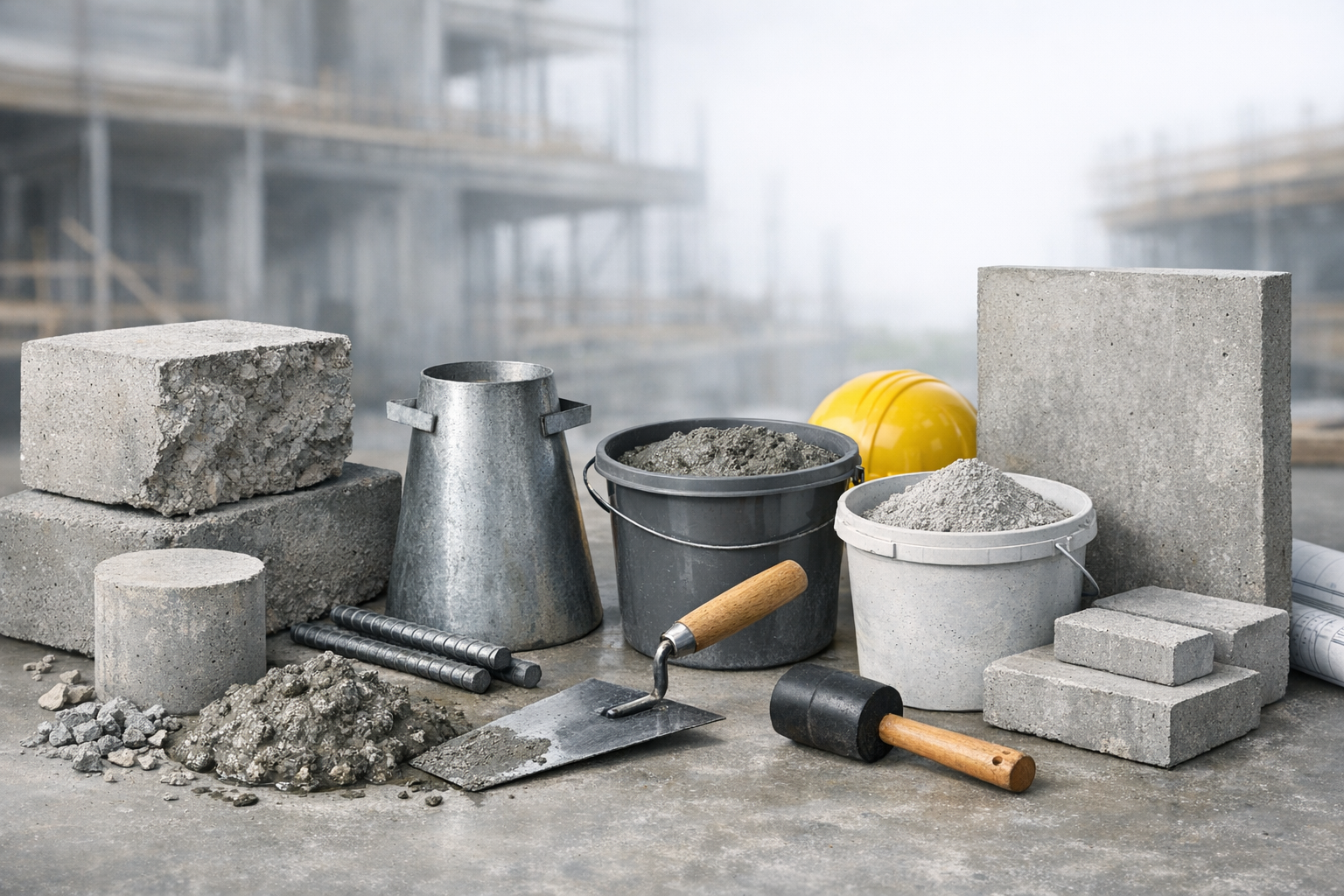
What Is Concrete All?
Concrete is one of the most widely used building materials in the world, but the phrase “concrete all” can mean different things depending on context. In a general sense, it refers to everything related to concrete: its composition, uses, benefits, limitations, installation, and maintenance. Whether you are planning a driveway, patio, foundation, walkway, or commercial slab, understanding concrete from start to finish helps you make better decisions.
At its core, concrete is a mixture of cement, water, sand, and aggregates such as gravel or crushed stone. When blended correctly, these ingredients form a durable material that can be poured into molds and shaped to fit nearly any project. This versatility is a major reason concrete remains a top choice for construction.
Why Concrete Matters
Concrete plays a major role in modern construction because it offers a strong balance of strength, affordability, and flexibility. It can support heavy loads, withstand weather changes, and last for decades when properly installed and maintained. From homes and roads to bridges and retaining walls, concrete is everywhere.
Another advantage is its adaptability. Concrete can be finished in many ways, including smooth, broomed, stamped, stained, or polished surfaces. That means it can serve both functional and decorative purposes. In residential and commercial settings alike, concrete offers a practical solution that can be tailored to the project’s needs.
Types of Concrete Projects
Residential Concrete
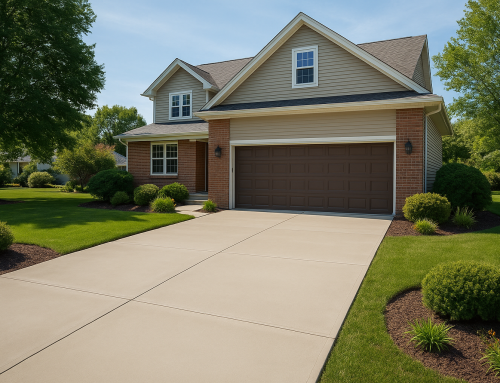
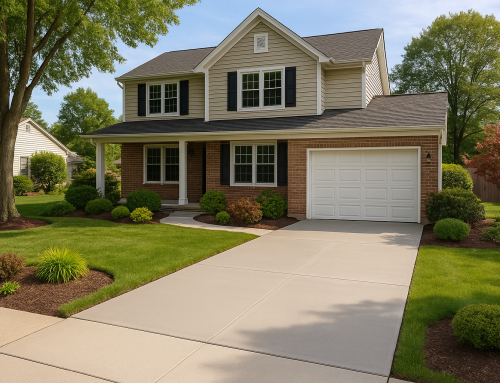
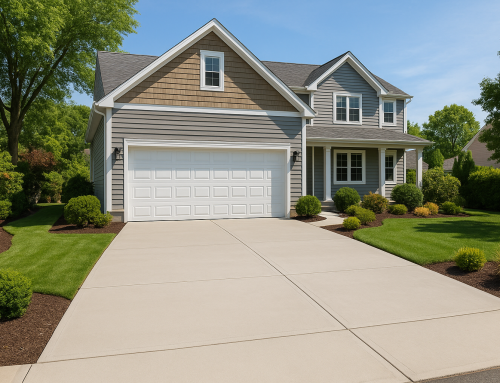
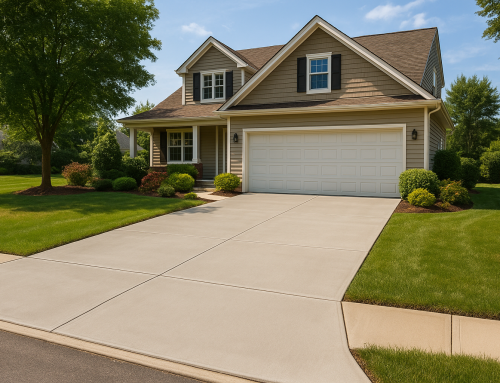
Homeowners use concrete for driveways, patios, sidewalks, garage floors, pool decks, and foundations. These projects often need to balance performance with appearance, especially in outdoor spaces where curb appeal matters. Decorative concrete options can make a simple slab look elegant and custom-designed.
Commercial and Industrial Concrete
Commercial buildings and industrial facilities rely on concrete for floors, parking lots, loading docks, retaining structures, and structural elements. These projects usually require higher load-bearing capacity and attention to durability. In many cases, reinforcement with steel rebar or mesh is necessary to handle stress and reduce cracking.
Decorative Concrete
Decorative concrete has become increasingly popular for both indoor and outdoor use. Stamped concrete can imitate brick, stone, or tile, while stained concrete adds color and character. Polished concrete is especially common in modern interiors because it offers a sleek look and is easy to maintain.
Benefits of Choosing Concrete
There are many reasons people choose concrete for construction and renovation projects. One of the biggest benefits is durability. Concrete can handle daily wear, moisture, and temperature shifts better than many other materials. When installed correctly, it can last for decades with minimal intervention.
Cost is another major advantage. While upfront costs vary based on project size, finish, and reinforcement, concrete is often more affordable than many premium paving or structural materials. It also tends to require less maintenance over time, which can reduce long-term expenses.
Concrete is also fire-resistant and can improve structural safety. In addition, it is highly customizable. Contractors can adjust the mix design, finish, thickness, and reinforcement to meet specific requirements. This makes concrete a smart option for a wide variety of applications.
Common Challenges with Concrete
Although concrete is durable, it is not problem-free. One of the most common issues is cracking. Small cracks may occur as concrete cures, but larger cracks can result from poor preparation, weak soil support, excessive water in the mix, or heavy loads.
Weather can also affect performance. Freeze-thaw cycles, standing water, and extreme heat can damage concrete if it is not properly designed or sealed. In colder climates, de-icing salts may speed up surface wear. That is why proper installation and protection are so important.
Another challenge is that concrete needs time to cure. It may seem hard within hours, but full strength develops over days and weeks. Rushing the process can lead to weak spots or surface defects. Patience during curing is essential for long-lasting results.
How to Care for Concrete
Good maintenance can significantly extend the life of concrete. Start by keeping the surface clean. Sweeping away dirt and rinsing off debris helps prevent staining and surface damage. For outdoor areas, removing leaves, oil, and standing water is especially important.
Sealing concrete is one of the best ways to protect it. A quality sealer can reduce moisture absorption, guard against stains, and improve resistance to weathering. Depending on the product and exposure, resealing may be needed every few years.
It is also helpful to inspect concrete regularly for chips, cracks, or uneven sections. Small problems are easier to repair early before they become major issues. For driveways and slabs, avoid overloading the surface with excessive weight, and use caution with harsh chemicals or metal tools that can cause damage.
Tips for Better Concrete Results
If you are planning a concrete project, careful preparation makes a big difference. First, make sure the base is compacted and level. A stable subgrade helps prevent settling and cracking later. Next, choose the right mix for the job. Different projects may require different strengths, additives, or reinforcement.
Work with experienced professionals when possible, especially for foundations or load-bearing structures. Proper placement, finishing, and curing are just as important as the material itself. Even a high-quality mix can fail if installation is rushed or poorly executed.
Finally, think ahead about how the surface will be used. Will it need to handle vehicles, foot traffic, moisture, or decorative finishing? Planning for function and appearance at the start can save time and money later.
The Bottom Line on Concrete All
Concrete remains one of the most dependable materials in construction because it combines strength, versatility, and long-term value. From basic slabs to decorative finishes, it can be adapted to fit almost any need. Understanding the full picture of concrete all—its uses, benefits, challenges, and care—helps you make smarter decisions for your next project.
With the right planning, installation, and maintenance, concrete can deliver lasting performance and visual appeal for many years.