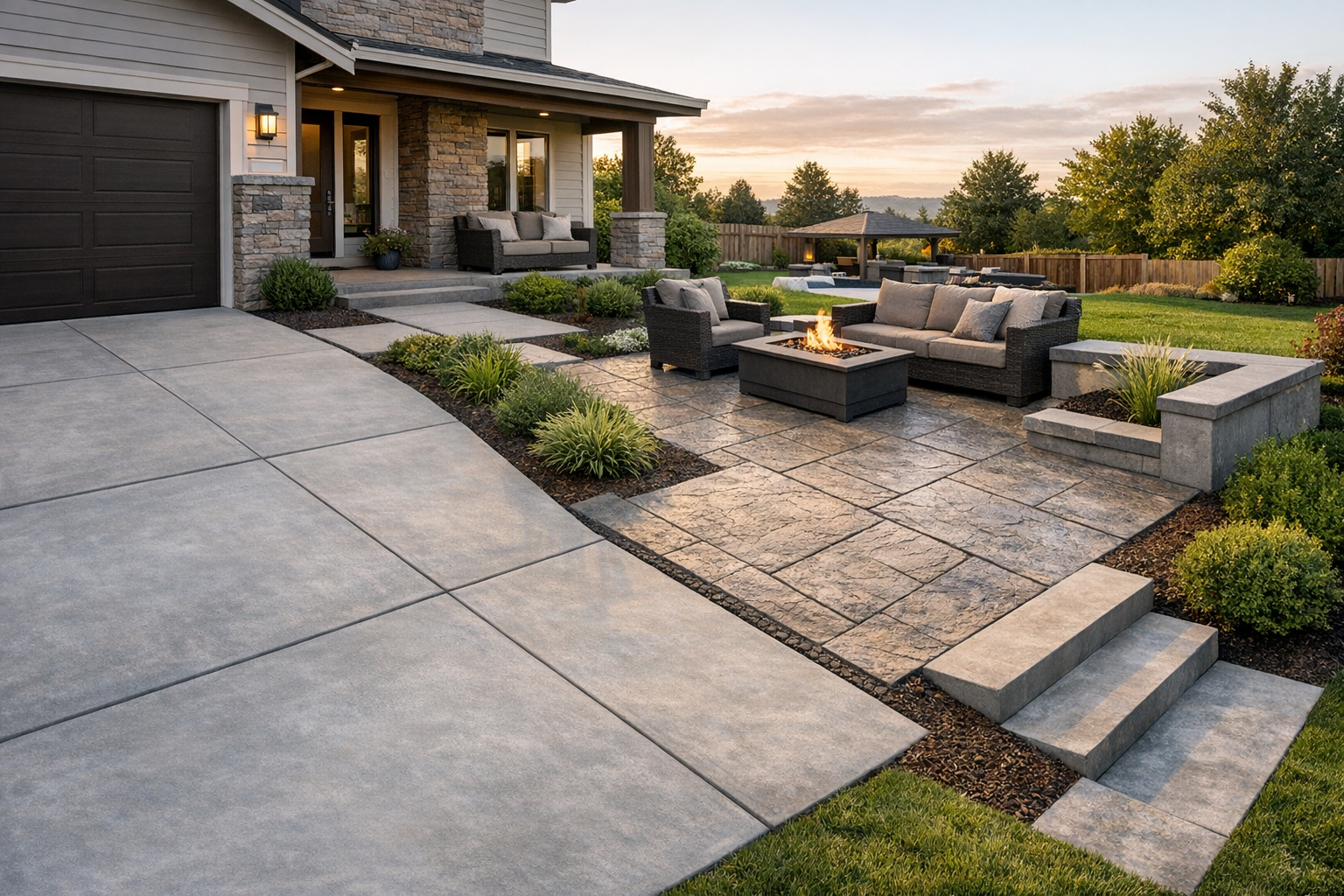
What Is Residential Concrete?
Residential concrete refers to the concrete used in and around homes for structural, functional, and decorative purposes. It is one of the most common building materials in residential construction because it offers strength, durability, and long-term value. From foundations and driveways to patios, sidewalks, garage floors, and retaining walls, concrete plays a major role in how a home performs and looks.
Unlike commercial or industrial concrete applications, residential projects often focus on a balance of performance and curb appeal. Homeowners want materials that can handle daily wear while still enhancing the appearance of the property. That is why concrete remains such a popular choice for both new construction and renovation projects.
Why Concrete Is a Popular Choice for Homes
Concrete has earned its place as a go-to residential material for several reasons. First, it is highly durable and can support heavy loads without warping or rotting. This makes it ideal for driveways, garage slabs, and foundations. Second, concrete is relatively low maintenance compared with other building materials, requiring only periodic cleaning and sealing in many cases.
Another major advantage is versatility. Concrete can be poured, stamped, stained, colored, or polished to suit a wide range of design preferences. Whether a homeowner wants a simple utilitarian finish or a decorative surface that mimics stone or brick, concrete can deliver. It is also fire-resistant, energy efficient in certain applications, and often more cost-effective over time than materials that need frequent replacement.
Common Residential Concrete Applications
Concrete is used throughout the home in both visible and hidden ways. Some applications are essential to the structure, while others improve function and aesthetics.
Foundations and Slabs
The foundation is one of the most important uses of residential concrete. A properly designed and installed foundation supports the entire home, helping distribute weight evenly and protect against settling. Slab foundations are especially common in many regions because they are efficient, durable, and suitable for a variety of home designs.
Driveways and Walkways
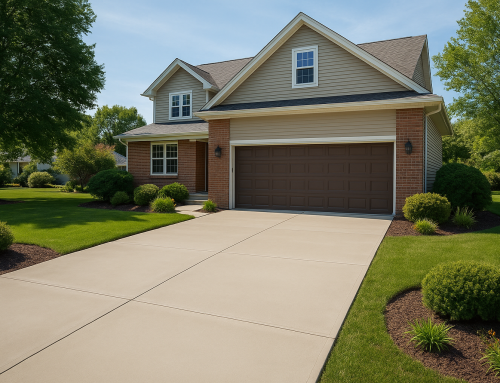
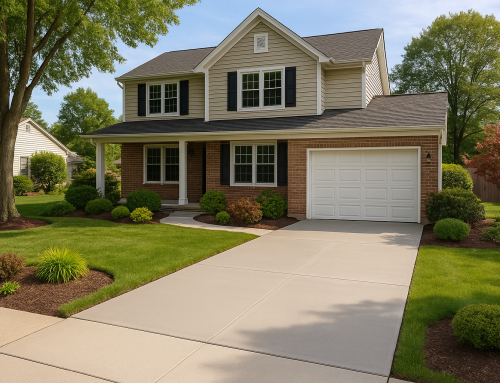
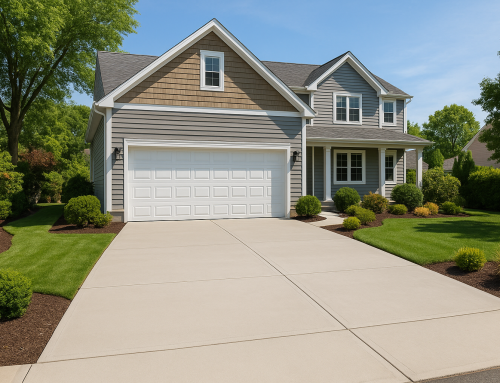
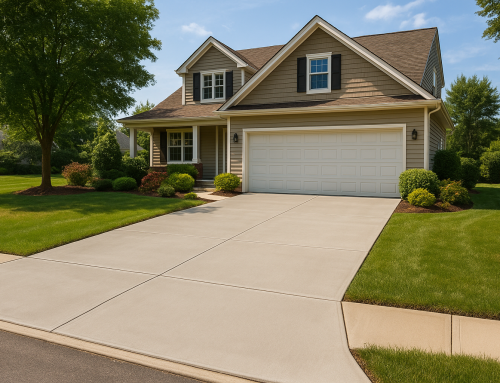
Concrete driveways are valued for their strength and long lifespan. They can handle vehicle traffic with less risk of rutting or shifting than some alternative materials. Sidewalks and walkways also benefit from concrete’s stability, making it easier to create smooth, safe paths around the home.
Patios and Outdoor Living Areas
For outdoor entertaining, concrete patios offer a practical and attractive solution. A basic broom finish provides traction, while stamped or stained concrete can create a more decorative look. Because concrete holds up well in changing weather, it is a reliable surface for outdoor spaces.
Garage Floors and Basement Floors
Garage and basement floors need to resist moisture, weight, and frequent use. Concrete performs well in these settings and can be finished to improve appearance and durability. In basements, a well-installed concrete floor also supports storage, utility systems, and finished living space.
Retaining Walls and Decorative Features
Concrete is often used for retaining walls, steps, planters, fire pits, and other landscape features. These additions not only improve property function but can also add style and definition to the yard. Precast and poured-in-place options make it possible to tailor the design to the home.
Types of Concrete Finishes for Residential Projects
One of the best things about residential concrete is the number of finishes available. The right finish depends on the project’s purpose, budget, and desired appearance.
Broom Finish
A broom finish is one of the most common options for driveways, sidewalks, and patios. It provides a slightly textured surface that improves traction, especially in wet conditions. This is a practical, affordable finish that works well in high-traffic areas.
Stamped Concrete
Stamped concrete is designed to resemble natural stone, slate, brick, or tile. Patterns are pressed into the surface before it fully sets, creating a decorative effect without the cost of premium materials. It is a popular choice for patios, pool decks, and walkways.
Stained or Colored Concrete
Staining and integral color options allow homeowners to customize the look of concrete. Stains can create rich, earthy tones or modern translucent finishes, while colored concrete is mixed with pigments for a more uniform appearance. These options are ideal when visual appeal matters as much as function.
Exposed Aggregate and Polished Finishes
Exposed aggregate reveals the decorative stones within the mix, creating texture and visual interest. Polished concrete, meanwhile, offers a sleek, refined surface often used indoors. Both can elevate the look of a space while maintaining the strength of concrete.
Maintenance Tips for Long-Lasting Concrete
Although concrete is low maintenance, it is not maintenance-free. A few simple steps can help preserve its appearance and extend its lifespan. Regular sweeping and occasional washing can prevent dirt buildup and reduce staining. Sealing concrete every few years, depending on the project and exposure, helps protect it from moisture, salt, and surface wear.
It is also important to address cracks early. Small cracks may be normal over time, but they should be monitored so they do not grow into larger issues. Avoid using harsh de-icing chemicals if possible, since they can contribute to surface damage. For decorative concrete, follow manufacturer recommendations to maintain color and finish.
When to Hire a Professional Concrete Contractor
Some small concrete projects may seem manageable as DIY tasks, but many residential jobs require professional expertise. Foundations, driveways, structural slabs, and retaining walls must be properly planned and installed to avoid problems later. A skilled contractor understands soil conditions, reinforcement, drainage, grading, and curing—all of which affect long-term performance.
Hiring a professional can also save time and money by reducing the risk of uneven surfaces, premature cracking, and costly repairs. If the project involves load-bearing concrete or decorative work that needs a polished finish, working with an experienced contractor is often the best choice.
Conclusion
Residential concrete is a practical investment that supports the strength, safety, and beauty of a home. With the right design, finish, and installation, it can serve homeowners well for decades. Whether you are planning a new driveway, upgrading a patio, or building a foundation, concrete offers the durability and versatility needed for lasting results.