Introduction
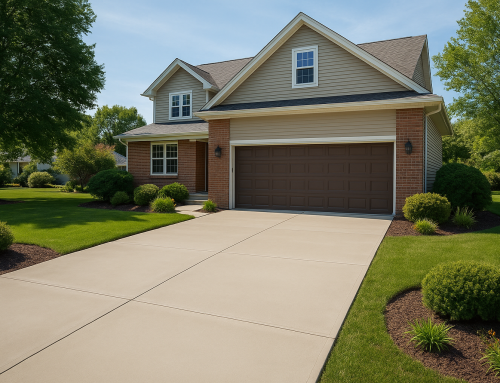
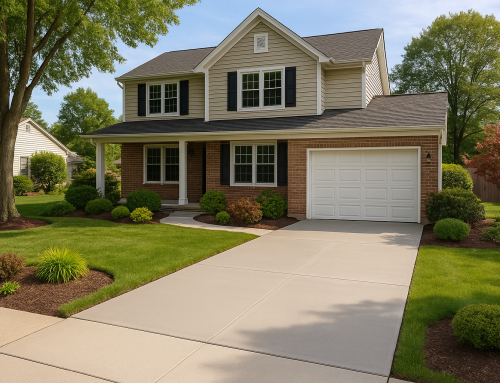
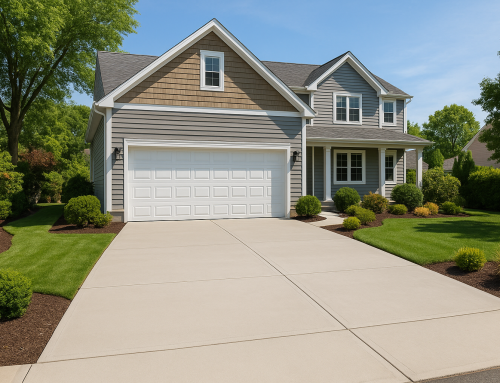
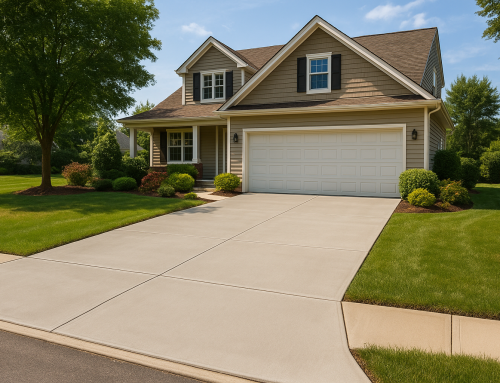
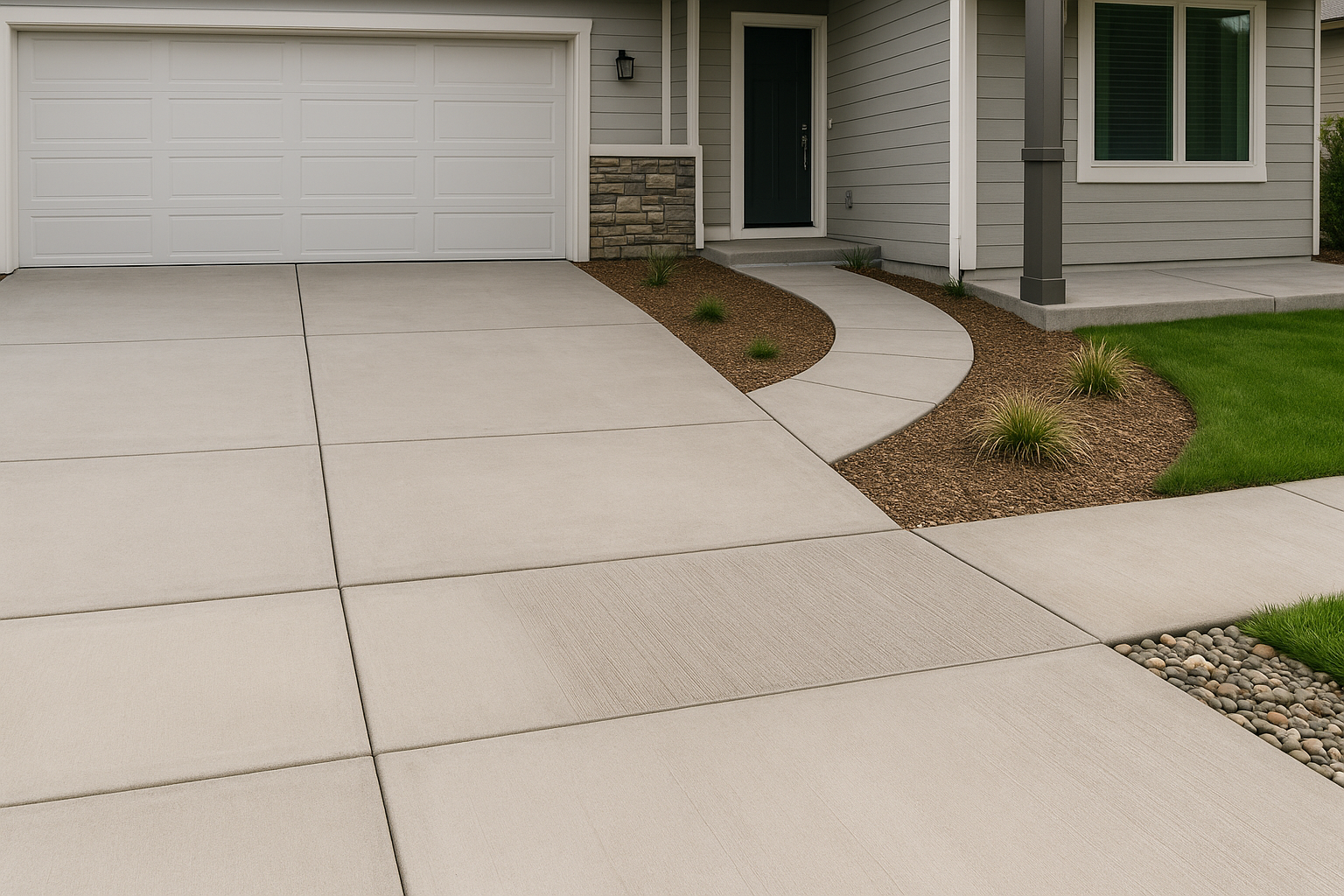
Concrete is one of the most versatile and durable materials for residential projects. From driveways and patios to foundation slabs and decorative features, understanding your options and proper care can save money and extend the life of your investment. This guide covers the types, finishes, installation basics, maintenance tips, cost considerations, and sustainability factors for residential concrete.
Why Choose Concrete for Residential Projects?
Concrete offers several advantages over other building materials:
- Durability: Properly mixed and maintained concrete lasts for decades.
- Low maintenance: Routine sealing and cleaning keep surfaces attractive with minimal effort.
- Versatility: It can be poured, stamped, stained, or polished to match many aesthetic styles.
- Cost-effective: Upfront costs are often lower than natural stone or extensive paving options, especially for large areas.
Types of Residential Concrete
Standard Poured Concrete
Used for foundations, slabs, driveways, and sidewalks. It involves forming a site, placing reinforcing (rebar or wire mesh), pouring concrete, and finishing the surface. Suitable for load-bearing applications.
Ready-Mix Concrete
Delivered from a batching plant to the job site. Ready-mix ensures consistent proportions and is convenient for larger pours. Plan carefully to avoid waste.
Stamped and Decorative Concrete
Stamped concrete mimics pavers, stone, or brick by impressing patterns into the surface before it fully sets. Decorative options include:
- Color integral or surface-applied stains and dyes
- Stamps for texture and pattern
- Exposed aggregate finishes that show pebbles for a textured look
Polished Concrete
Suitable for interior floors and basements; polished concrete is mechanically ground and buffed to a smooth, glossy finish. It’s low-maintenance and modern in appearance.
Precast Concrete
Precast elements are cast and cured off-site—useful for steps, garden walls, or decorative panels where quality control and quick installation matter.
Design and Finishes
Concrete provides many finishing options to suit curb appeal and functionality:
- Coloring: Integral pigments or surface stains to achieve subtle or bold hues.
- Textures: Broom finish for slip resistance, stamp patterns for aesthetics, and exposed aggregate for a natural look.
- Joints and Edging: Control joints reduce cracking; control joint layout should follow slab dimensions and loading patterns.
Installation Basics
Site Preparation
Proper drainage and subgrade compaction are critical. A gravel base helps with stability and prevents settling. Mark utilities before digging.
Reinforcement and Pouring
Rebar or welded wire mesh reduces cracking and increases tensile strength. The mix selection depends on project use—higher-strength mixes for driveways and structural elements.
Curing
Curing keeps concrete moist during the first days after placement, preventing shrinkage cracks and improving strength. Methods include water curing, curing compounds, or wet coverings.
Maintenance and Repair
Routine care helps concrete look and perform well for years:
- Cleaning: Sweep debris and wash surfaces with a garden hose or pressure washer on a low setting.
- Sealing: Apply a penetrating or film-forming sealer every 2–5 years depending on exposure and product instructions.
- Stain and Crack Repair: Address oil stains with degreasers; fill hairline cracks with suitable sealants to prevent water infiltration.
- Winter care: Avoid de-icing salts on new concrete and use sand for traction. Salt can accelerate surface scaling.
Costs and Budgeting
Costs vary by region, project size, thickness, finishes, and site complexity. Typical considerations include:
- Material and ready-mix pricing
- Formwork, reinforcement, and sub-base material
- Labor for site prep, finishing, and curing
- Decorative treatments like staining or stamping add to the total
Get multiple quotes, check references, and ensure contractors include warranties and clear timelines.
Durability and Sustainability
Concrete is durable but has environmental impacts from cement production. To reduce footprint:
- Choose mixes with supplementary cementitious materials (fly ash, slag) to lower embodied carbon.
- Use local materials to cut transportation emissions.
- Consider permeable concrete for driveways and patios to reduce runoff and support stormwater management.
Hiring a Contractor
When selecting a contractor, look for licensed, insured professionals with residential experience. Ask for:
- Detailed estimates and scope of work
- Project timelines and cleanup procedures
- References and photos of previous residential projects
- Written guarantees or warranties on workmanship
Conclusion
Residential concrete is a practical, attractive, and long-lasting choice for many home projects. By understanding types, finishes, proper installation, and maintenance, homeowners can make informed decisions that balance aesthetics, performance, and cost. Planning, proper contractor selection, and routine care will keep concrete features looking great for decades.