Introduction to Residential Concrete
Concrete is one of the most versatile and durable materials used in residential settings. From driveways and patios to foundations and interior floors, concrete provides long-lasting performance and a wide range of aesthetic options. This guide covers the types, installation, design choices, maintenance, costs, and common pitfalls to help homeowners make informed decisions about residential concrete projects.
Types of Residential Concrete
Standard Poured Concrete
Standard poured concrete is mixed on-site or delivered by truck and poured into forms to create slabs, foundations, and walkways. It’s highly customizable in terms of thickness and reinforcement and is suitable for most structural and flatwork applications.
Stamped and Decorative Concrete
Stamped concrete imitates patterns like brick, stone, or wood while decorative techniques include staining, coloring, exposed aggregate, and polishing. These options enhance curb appeal without the maintenance of individual pavers or natural stone.
Precast Concrete
Precast concrete elements are manufactured offsite and installed as finished pieces. They’re commonly used for steps, planters, and certain patio slabs where speed and uniformity are priorities.
Common Residential Applications
Driveways and Garages
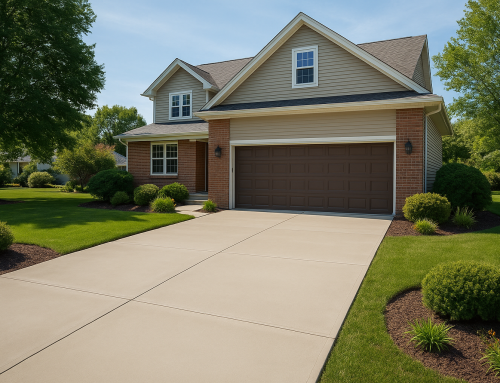
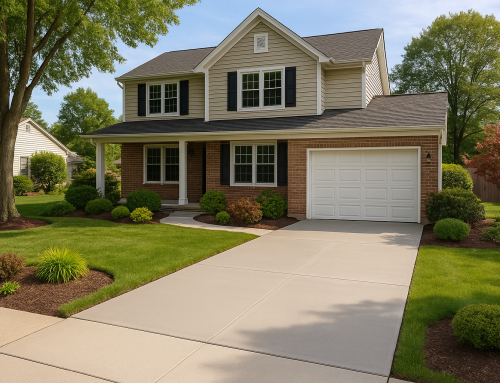
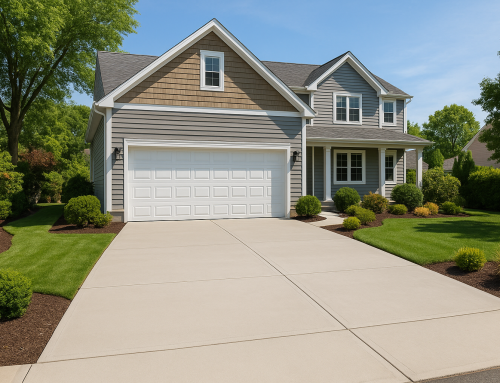
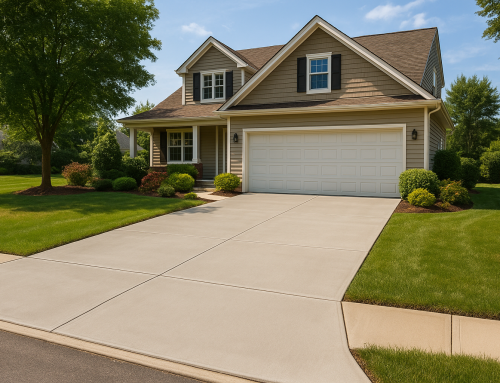
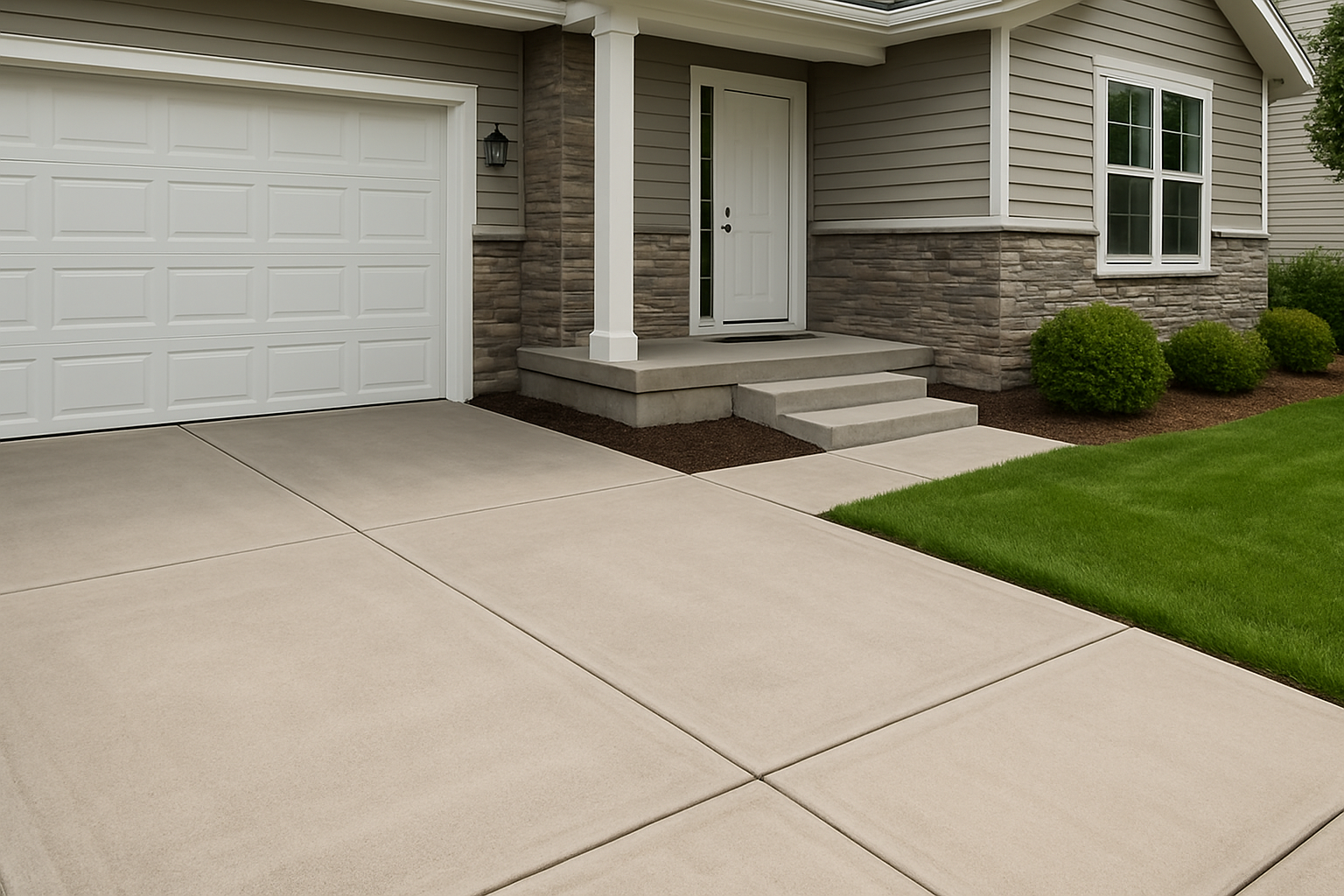
Concrete driveways are durable and can support heavy loads. Proper subbase preparation and reinforcement reduce cracking and settlement. Sealing and joint placement extend lifespan and appearance.
Patios and Walkways
Patios and walkways benefit from concrete’s flexibility in finish and texture. Consider slip-resistant finishes for safety, and plan drainage to prevent pooling and freeze-thaw damage in colder climates.
Foundations and Slabs
Foundations and structural slabs require careful design for load-bearing capacity, moisture control, and insulation. Working with an engineer or experienced contractor ensures the correct mix, reinforcement, and curing.
Installation Basics
Site Preparation
Proper site prep includes grading, compacting the subgrade, and installing a stable base (gravel or crushed rock). Good drainage and a well-prepared base are the most reliable defenses against future cracking and settlement.
Mix, Reinforcement, and Curing
Concrete mix design depends on the application: strength (psi), slump, and additives (fibers, air-entrainment) matter. Reinforcement using rebar or wire mesh increases tensile strength. Curing is critical—maintaining moisture and temperature for the first days dramatically improves durability.
Design and Aesthetic Options
Colors and Finishes
Integral color, acid stains, and surface dyes offer different color permanency and depth. Finishes like broom, trowel, exposed aggregate, and polished concrete provide distinct looks and textures.
Edge Treatments and Accents
Add architectural borders, scored control joints, or inset pavers for visual interest. Built-in planters, steps, and multiple levels can make concrete projects feel integrated with landscaping and architecture.
Maintenance and Repair
Routine Maintenance
Sealing concrete every few years protects against stains, freeze-thaw damage, and UV fading for colored finishes. Clean spills promptly and use gentle cleaners for stained or colored surfaces.
Common Repairs
Small cracks can be sealed with concrete caulk or epoxy; larger cracks or spalling may require patching or partial replacement. For structural problems, consult a professional to assess underpinning or slab stabilization.
Cost Considerations
Costs vary by region, thickness, finish, reinforcement, and site conditions. Basic poured concrete is usually cost-effective for large surface areas, while decorative and specialty finishes raise material and labor costs. Factor in long-term savings from low maintenance and longevity when comparing options.
DIY vs. Professional Installation
DIY can work for small, non-structural projects like a simple slab or stepping stones if you have the right tools and some experience. However, most structural work, complex finishes, and large pours benefit from professional expertise to ensure proper mix, reinforcement, placement, and curing.
Common Mistakes to Avoid
- Skipping proper subgrade and compaction.
- Improper reinforcement placement or insufficient thickness for load.
- Poorly timed finishing or inadequate curing leading to surface defects.
- Neglecting control joints to manage cracking.
Sustainability and Green Options
Options like recycled aggregates, fly ash or slag cement replacements, and permeable concrete reduce environmental impact and improve stormwater management. Proper design can also improve energy efficiency when used as thermal mass in home interiors.
Conclusion
Residential concrete offers durability, versatility, and a wide range of design possibilities for homeowners. With proper planning, installation, and maintenance, concrete projects deliver excellent long-term value and curb appeal. Whether you choose a DIY approach for a small project or hire professionals for structural work, understanding the basics will help you get reliable, attractive results.