Concrete Work Services: What They Include
Concrete work services cover a wide range of projects that improve the strength, function, and appearance of a property. From driveways and patios to foundations, slabs, sidewalks, and retaining walls, concrete is one of the most versatile building materials available. It is valued for its durability, low maintenance, and ability to be shaped and finished in many different ways.
For homeowners, property managers, and business owners, understanding what concrete contractors offer can make planning a project much easier. The right service provider can help you choose the best type of concrete, recommend the proper finish, and ensure the work is done safely and correctly the first time.
Common Types of Concrete Projects
Concrete services are not limited to pouring a simple slab. Most contractors handle a variety of residential and commercial projects, each with its own requirements.
Driveways
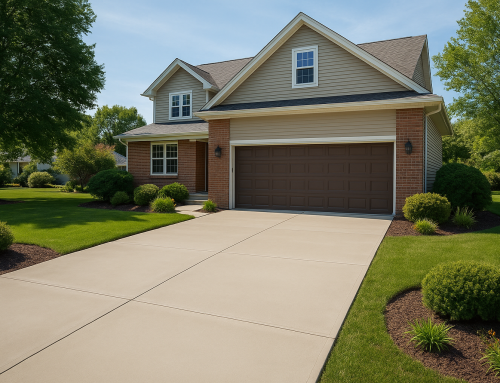
A concrete driveway is a popular choice because it stands up well to vehicle traffic and weather changes. A properly installed driveway can last for decades with routine maintenance. Contractors may also offer decorative options such as stamping, coloring, or exposed aggregate to improve curb appeal.
Patios and Outdoor Living Areas
Concrete patios create a solid, attractive surface for outdoor seating, kitchens, and entertainment spaces. They can be designed in many styles, from smooth modern finishes to textured decorative patterns. Because concrete is customizable, it works well for both simple and upscale outdoor spaces.
Sidewalks and Walkways
Walkways and sidewalks need to be level, safe, and resistant to cracking. Concrete is an excellent material for these areas because it provides a stable surface and can be formed to fit nearly any layout. It is often used for both residential paths and commercial pedestrian areas.
Foundations and Slabs
Structural concrete work is one of the most important parts of any building project. Foundations and slabs support homes, garages, sheds, and commercial structures. These projects require precise grading, reinforcement, and curing to ensure long-term stability.
Retaining Walls and Structural Features
Concrete retaining walls help manage soil, prevent erosion, and add usable space to sloped properties. Contractors may also build stairs, borders, curb edging, and other structural features that improve both function and appearance.
Why Professional Concrete Work Matters
While some small repairs can be handled by experienced property owners, most concrete jobs are best left to professionals. Concrete may seem straightforward, but it requires accurate mixing, timing, leveling, finishing, and curing. Even small mistakes can lead to cracking, uneven surfaces, drainage issues, or premature deterioration.
Professional concrete contractors bring the tools, materials, and experience needed to complete the job efficiently. They understand local building codes, soil conditions, weather considerations, and reinforcement methods. This knowledge helps ensure the finished result is both durable and visually appealing.
The Concrete Installation Process
Although every project is different, most concrete work follows a similar process. Knowing what to expect can help you prepare and make better decisions.
Site Preparation
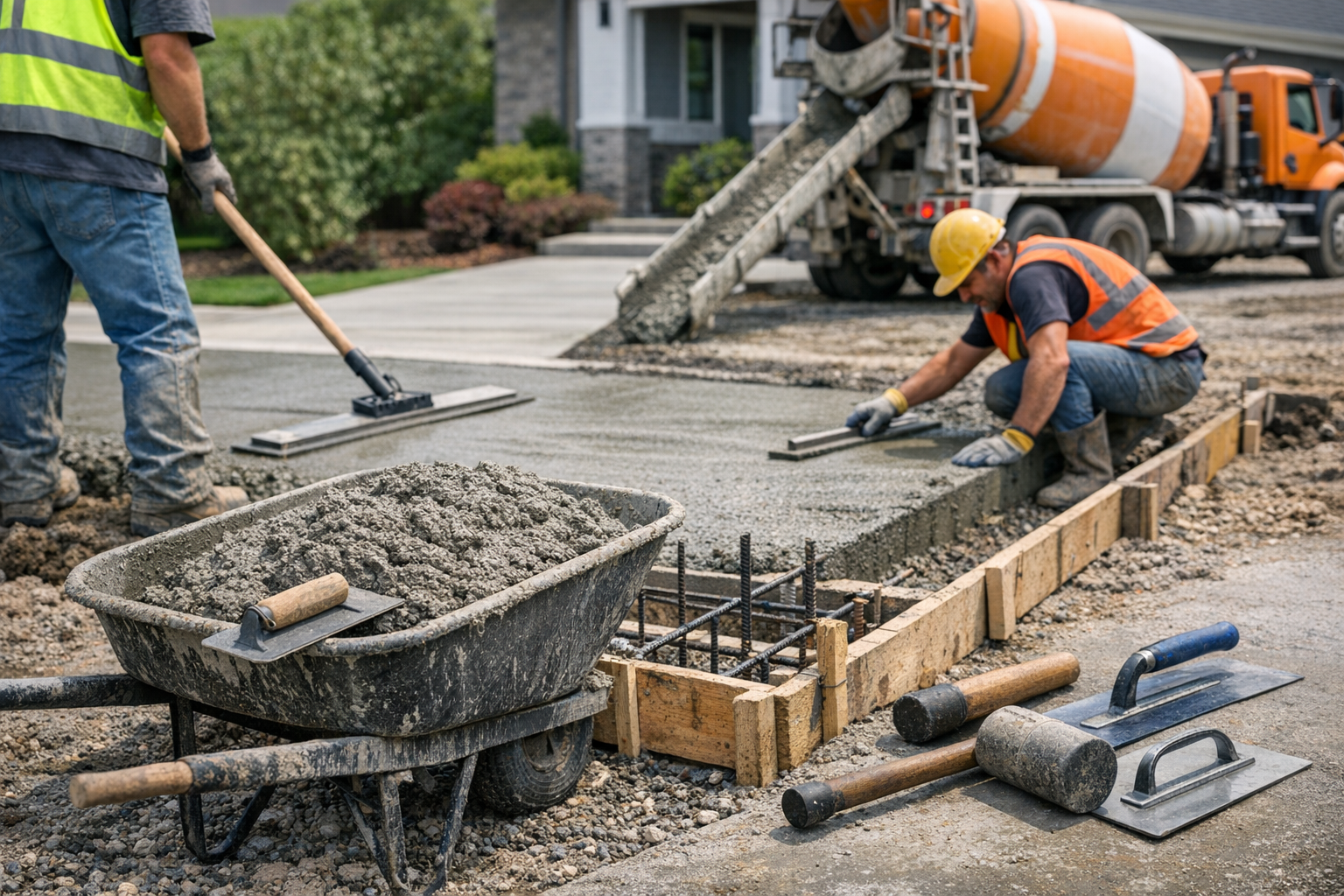
Before any concrete is poured, the site must be properly prepared. This may include removing old materials, grading the area, compacting the base, and setting forms. Good preparation is essential because the strength of concrete depends heavily on the foundation beneath it.
Reinforcement and Pouring
Depending on the project, reinforcement such as rebar or wire mesh may be added to improve strength and reduce cracking. Once the site is ready, the concrete is mixed and poured into place. Contractors must work quickly and carefully because concrete begins setting soon after it is placed.
Leveling and Finishing
After pouring, the surface is leveled and finished based on the project’s purpose. Finishing techniques can create a smooth surface, a broom finish for traction, or a decorative texture. The right finish affects both appearance and performance.
Curing
Curing is one of the most important steps in any concrete project. During curing, the concrete hardens and gains strength over time. Proper moisture control and curing conditions help prevent cracking and improve durability. A contractor should explain how long the surface needs before it can handle foot traffic, vehicles, or heavy loads.
How to Choose the Right Concrete Contractor
Selecting a contractor is just as important as choosing the right material. A skilled company can save you time, money, and stress by completing the job correctly.
Start by looking for experience with the specific type of project you need. A contractor who specializes in driveways may not be the best choice for a foundation or structural slab. Ask to see photos of previous work and read customer reviews to get a sense of quality and reliability.
It is also wise to request a written estimate. A detailed quote should outline labor, materials, timeline, and any additional services such as demolition or cleanup. Be cautious of unusually low bids, as they may indicate poor materials or rushed workmanship.
Finally, make sure the contractor is licensed and insured. This protects you if something goes wrong during the project and shows that the company takes its work seriously.
Benefits of Quality Concrete Work
Well-executed concrete work offers long-term value. It is strong enough to handle heavy use, resistant to weather, and relatively easy to maintain. With proper installation and care, concrete surfaces can last many years while maintaining their appearance and function.
Another benefit is flexibility. Concrete can be customized to match almost any design style. Whether you want a basic utilitarian surface or a decorative feature that adds curb appeal, concrete can be adapted to meet your goals. For property owners looking for a balance of performance and aesthetics, it remains one of the best choices available.
Maintenance Tips for Concrete Surfaces
Even durable concrete needs occasional care to stay in good condition. Sweep surfaces regularly to remove dirt and debris. Clean spills as soon as possible to prevent staining, especially on patios and driveways.
Sealing concrete can also help protect it from moisture, salt, and surface wear. In colder climates, this is especially important because freeze-thaw cycles can increase cracking. Avoid using harsh de-icing chemicals unless they are safe for concrete, and inspect surfaces periodically for small cracks or settling.
Conclusion
Concrete work services play a major role in the safety, appearance, and value of a property. Whether you need a new driveway, a patio, a sidewalk, or a structural foundation, working with an experienced contractor helps ensure lasting results. By understanding the process, asking the right questions, and choosing quality workmanship, you can invest in concrete features that perform well for years to come.