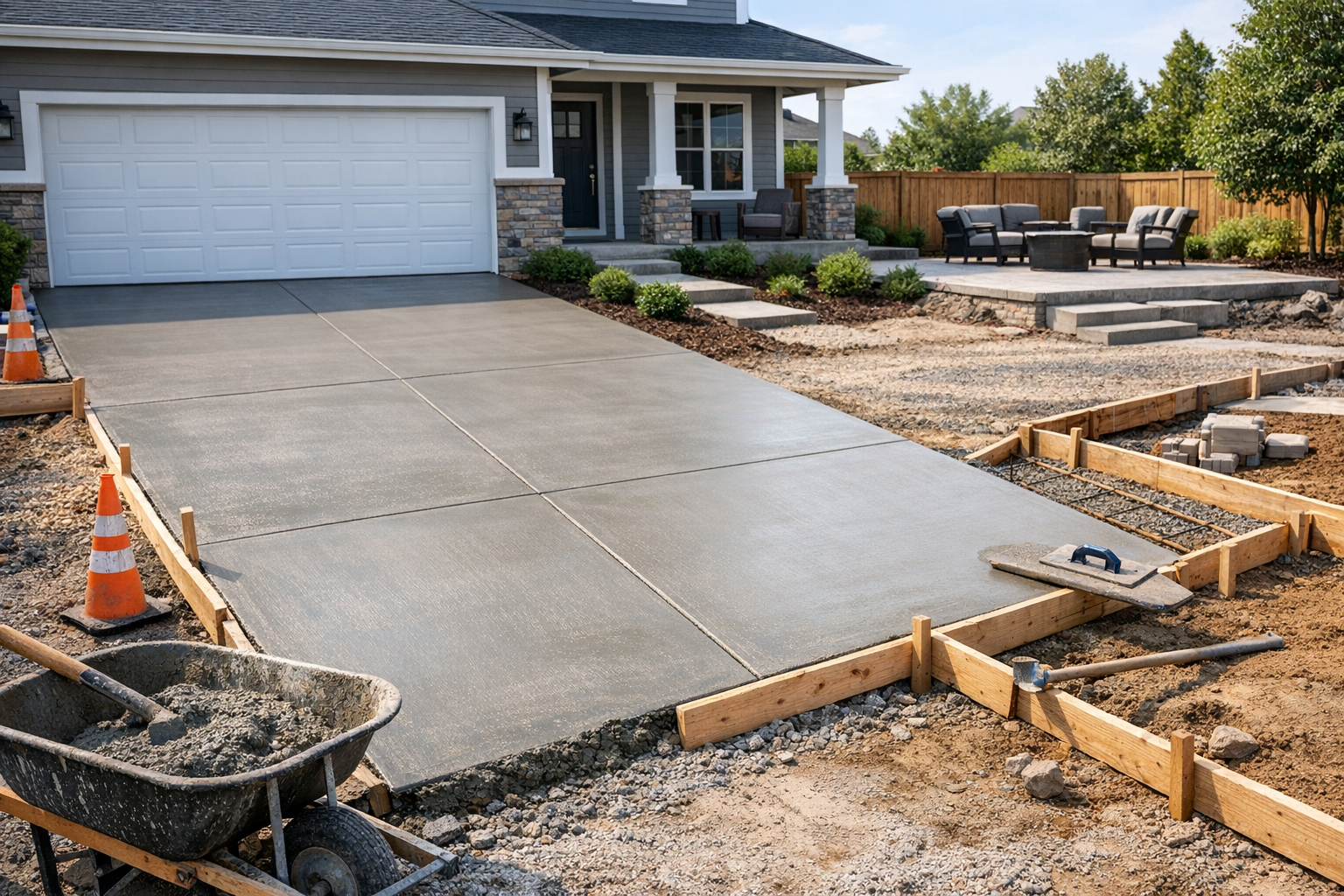
What Is Residential Concrete Work?
Residential concrete work covers the many concrete projects used to build, improve, and maintain homes. It includes everything from driveways, patios, and walkways to garage slabs, foundations, pool decks, and retaining walls. Because concrete is durable, versatile, and cost-effective, it remains one of the most popular materials for homeowners who want long-lasting results.
Unlike small decorative repairs, residential concrete work often affects both the appearance and structural performance of a property. That means proper planning, quality materials, and skilled installation matter. Whether you are replacing an aging driveway or pouring a brand-new patio, understanding the basics can help you make better decisions and avoid expensive mistakes.
Common Residential Concrete Projects
Home concrete projects can be functional, decorative, or both. Here are some of the most common types homeowners request.
Driveways
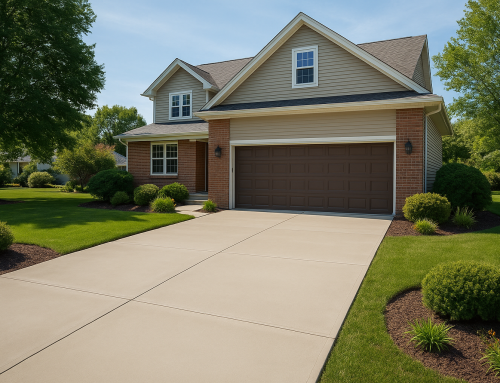
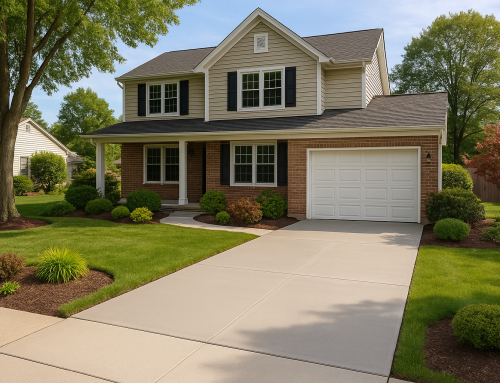
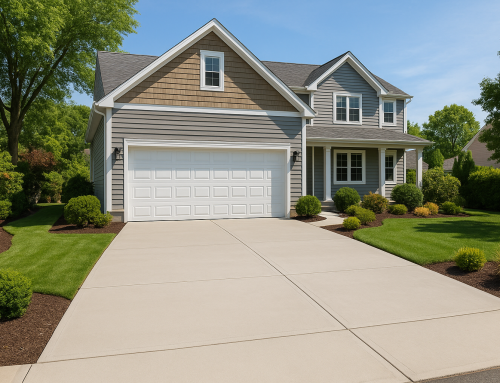
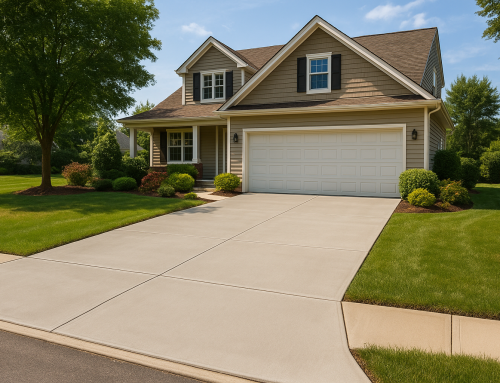
A concrete driveway is one of the most visible and heavily used features of a home. It needs to handle the weight of vehicles, changing weather, and regular wear. Proper grading, thickness, and reinforcement are essential for preventing cracking and drainage issues.
Patios
Concrete patios provide a sturdy outdoor living space for dining, relaxing, and entertaining. Homeowners can choose from plain broom-finished surfaces to stamped or stained designs that mimic stone, brick, or tile.
Walkways and Sidewalks
Walkways help improve access and curb appeal. They should be level, slip-resistant, and designed to direct foot traffic safely around the home and landscape.
Foundations and Slabs
The foundation is one of the most important structural elements of a home. Concrete slabs support garages, sheds, additions, and sometimes entire houses. These projects require precise preparation and professional installation to ensure stability.
Pool Decks and Outdoor Features
Concrete is also popular for pool surrounds, outdoor kitchens, fire pit areas, and retaining walls. These elements can be customized to match the home’s style while offering durability in outdoor conditions.
Why Concrete Is a Smart Choice for Homes
Concrete offers several advantages that make it a practical option for residential use. First, it is long-lasting. When installed and maintained properly, concrete can serve for decades. Second, it is versatile. Concrete can be finished in a wide range of textures, colors, and patterns to suit modern, traditional, or rustic homes. Third, it is relatively low maintenance compared with many other materials. Basic cleaning and occasional sealing may be all that is needed to keep it looking good.
Concrete is also valued for its strength. It can support heavy loads, resist fire, and perform well in a variety of climates. For homeowners seeking a balance of function and appearance, concrete often delivers excellent value over time.
The Residential Concrete Process
Most concrete projects follow a similar process, though the details vary depending on the job.
1. Planning and Design
The first step is deciding what the project needs to accomplish. This includes measuring the area, selecting a finish, reviewing drainage, and determining whether reinforcement is required. For decorative work, homeowners may also choose colors, patterns, or edge details.
2. Site Preparation
Good concrete work starts with a solid base. The area must be cleared, leveled, and compacted. In many cases, forms are installed to shape the pour and keep the concrete in place. Proper site prep helps reduce settling and cracking later.
3. Pouring and Finishing
Once the site is ready, the concrete is poured and spread evenly. Workers then level the surface and apply the desired finish. A broom finish is common for traction, while stamped or smooth finishes are chosen for visual appeal. Timing is important during this stage because concrete begins setting quickly.
4. Curing
Curing is the process that allows concrete to gain strength over time. It is one of the most important steps in the entire project. Rushing this stage can lead to weak concrete, surface damage, or premature cracking. Proper curing helps the finished surface perform as intended.
How to Maintain Residential Concrete
Even though concrete is durable, it still benefits from regular maintenance. Keeping the surface clean prevents buildup of dirt, oil, and mildew. Sealing concrete can help protect it from moisture, stains, and surface wear. In colder climates, using de-icing products carefully can reduce the risk of spalling or surface damage.
It is also wise to inspect concrete periodically for cracks, uneven areas, or drainage problems. Small issues are often easier and less expensive to fix early. For decorative concrete, following manufacturer recommendations for cleaning and sealing will help preserve color and finish.
When to Repair or Replace Concrete
Not every crack means a full replacement is needed. Hairline cracks are common and may be mostly cosmetic. However, larger cracks, sinking slabs, repeated water pooling, or crumbling edges can signal more serious problems. If a driveway or patio is badly damaged, replacement may be more cost-effective than repeated patching.
A professional inspection can help determine whether repair or replacement is the better choice. In some cases, resurfacing may offer a middle ground by restoring the appearance of the concrete without starting from scratch.
Choosing the Right Contractor
Hiring the right contractor makes a major difference in the success of a residential concrete project. Look for a company with experience in the specific type of work you need, whether that is decorative patios, structural slabs, or driveway replacement. Ask to see examples of completed projects and check whether the contractor is licensed and insured.
It is also helpful to ask about their process for site preparation, reinforcement, curing, and cleanup. A reliable contractor will explain the project clearly, provide a detailed estimate, and answer your questions without pressure. Quality workmanship may cost more upfront, but it often saves money by reducing repairs and extending the life of the installation.
Conclusion
Residential concrete work plays an important role in both the beauty and function of a home. From driveways and patios to foundations and walkways, concrete offers strength, versatility, and long-term value. With proper planning, skilled installation, and routine maintenance, your concrete surfaces can stay attractive and reliable for years to come.