What Is Professional Concrete?
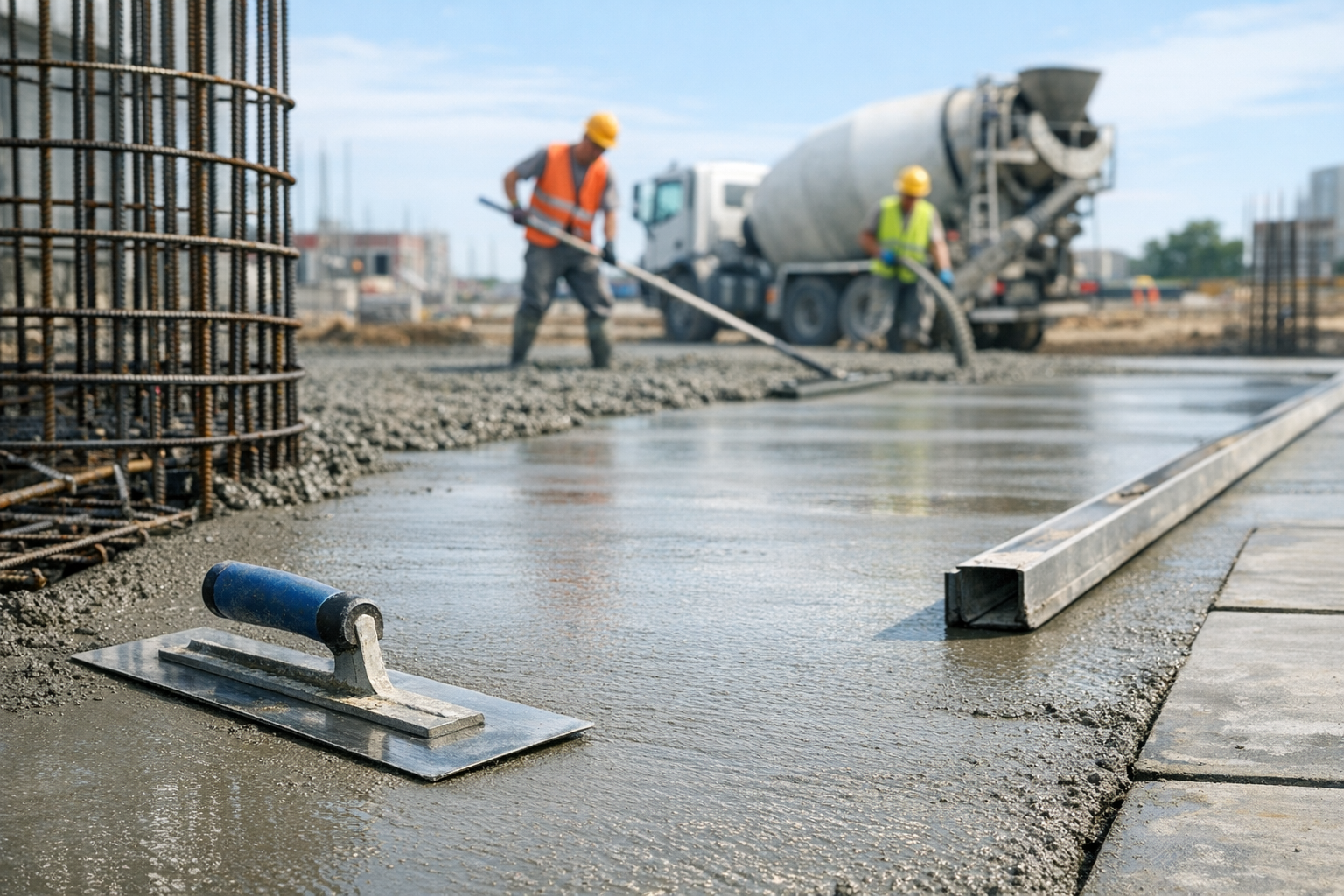
Professional concrete refers to concrete work planned, mixed, placed, finished, and cured by experienced contractors using the right materials, equipment, and methods for the job. While concrete may seem straightforward, high-quality results depend on precise preparation and execution. From driveways and patios to foundations, slabs, sidewalks, and commercial floors, professional concrete work is designed to perform well under real-world conditions.
The difference between average and professional concrete is often visible in the details. Proper grading, correct mix design, reinforcement, finishing, and curing all influence strength, appearance, and durability. A well-installed concrete surface can last for decades, while poor workmanship can lead to cracks, uneven settling, scaling, or premature failure.
Why Professional Concrete Matters
Concrete is one of the most widely used building materials in residential and commercial construction because it is strong, versatile, and cost-effective. However, its performance depends heavily on installation quality. Professional concrete matters because it helps ensure safety, structural integrity, and long-term value.
For homeowners, that can mean a driveway that resists cracking and stands up to weather and vehicle traffic. For businesses, it can mean a warehouse floor that supports heavy loads, resists wear, and remains level for daily operations. In both cases, professional installation reduces the risk of costly repairs and replacement down the road.
Concrete projects also need to meet local building codes, site requirements, and environmental conditions. A professional contractor understands how climate, soil type, drainage, and load demands affect the final product. That knowledge is essential for choosing the right approach and avoiding problems before they start.
Key Elements of a Professional Concrete Project
1. Proper Site Preparation
Every successful concrete project starts below the surface. The site must be cleared, graded, and compacted correctly to support the slab or structure. Poor preparation can lead to settling, cracking, and drainage issues. A professional crew evaluates the soil, installs the base materials when needed, and makes sure water flows away from the finished surface.
2. The Right Concrete Mix
Not all concrete mixes are the same. The ideal mix depends on the project’s purpose, exposure conditions, and desired finish. Professional contractors select a mix that balances strength, workability, and durability. They may also use additives to improve setting time, freeze-thaw resistance, or performance in special environments.
3. Reinforcement and Control Joints
Reinforcement helps concrete handle stress more effectively. Depending on the project, this may include rebar, wire mesh, or fiber reinforcement. Control joints are equally important because they guide inevitable shrinkage cracks into cleaner, more predictable lines. When placed correctly, these joints help preserve both appearance and structural performance.
4. Skilled Pouring and Finishing
Concrete must be placed evenly and finished at the right time. If the crew works too slowly or finishes too early, the surface can become weak or uneven. Professional concrete finishers know how to smooth, level, broom, trowel, or texture the surface based on the intended use. The result is a surface that looks clean and performs well under pressure.
5. Curing for Strength and Durability
Curing is one of the most overlooked parts of concrete installation, yet it is critical to long-term performance. Concrete gains strength over time, and proper curing helps it retain moisture during that process. Professional contractors use curing methods such as water retention, curing compounds, or coverings to support proper hydration and reduce surface damage.
Common Applications for Professional Concrete
Professional concrete is used in a wide range of residential, commercial, and industrial settings. Some of the most common applications include:
- Driveways: Durable, attractive surfaces that support vehicle traffic.
- Patios and walkways: Functional outdoor spaces with decorative options.
- Foundations and slabs: Stable bases for homes, garages, and additions.
- Commercial floors: Heavy-duty surfaces for retail, storage, and industrial use.
- Retaining walls and structural elements: Reinforced solutions for site support and design.
Many property owners also choose decorative concrete for stamped, stained, or exposed aggregate finishes. These options combine performance with curb appeal, making them popular for both residential and commercial projects.
Signs You Need a Professional Concrete Contractor
If your project involves load-bearing surfaces, drainage concerns, or strict finishing requirements, hiring a professional concrete contractor is the smart choice. You should also consider professional help if the project must meet building codes, requires special reinforcement, or involves repair work on existing concrete.
Look for a contractor with experience in projects similar to yours, a clear process, proper licensing and insurance, and a strong reputation for quality. Ask about the mix design, reinforcement plan, curing method, and expected timeline. A good contractor should be able to explain the process in simple terms and provide a detailed estimate.
Benefits of Choosing Professional Concrete
There are several clear advantages to investing in professional concrete installation. First, you get better durability and fewer maintenance issues over time. Second, you benefit from a cleaner, more attractive finish that enhances property value. Third, professional work is more likely to handle local climate conditions, heavy use, and natural ground movement.
Professional concrete can also save money in the long run. Although quality installation may cost more upfront, it often prevents repairs caused by cracks, drainage failures, spalling, or structural problems. That makes it a smart investment for anyone who wants lasting results.
How to Care for Concrete After Installation
Even the best concrete needs proper care after it is installed. Avoid heavy traffic too soon, follow the contractor’s curing recommendations, and keep the surface clean. For outdoor concrete, sealing may help protect against moisture, stains, and surface wear. In colder climates, using the right de-icing products can also reduce damage.
Routine maintenance is usually simple, but it makes a big difference. Sweeping debris, washing away dirt, and addressing small cracks early can help your concrete stay strong and attractive for years.
Conclusion
Professional concrete is about more than pouring a slab. It is a careful process that combines planning, skill, and the right materials to create surfaces that last. Whether you are building something new or improving an existing property, choosing professional concrete work is one of the best ways to protect your investment and achieve reliable results.