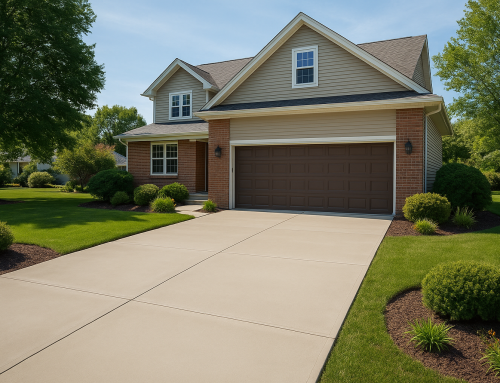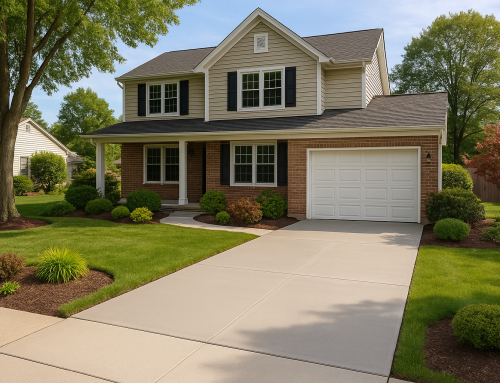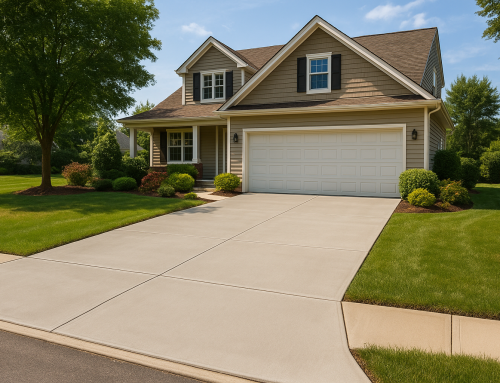
A well-installed driveway does more than provide a place to park. It improves curb appeal, supports daily use, and adds long-term value to your property. Whether you are replacing an aging surface or building a new one from scratch, understanding the driveway installation process can help you make better choices and avoid costly mistakes.
Why Driveway Installation Matters
Your driveway is one of the most used parts of your property. It must handle vehicle weight, changing weather, drainage, and regular wear and tear. A poorly planned installation can lead to cracks, potholes, pooling water, and shifting surfaces. By investing in a proper installation, you create a durable surface that looks good and performs well for years.
Beyond function, a driveway also contributes to the overall appearance of your home. The right material, layout, and finish can complement your exterior design and make a strong first impression.
Choosing the Right Driveway Material
One of the biggest decisions in any driveway installation is choosing the surface material. Each option has its own advantages, maintenance needs, and price range.
Asphalt
Asphalt is a popular choice because it is relatively affordable, quick to install, and smooth to drive on. It performs well in colder climates due to its flexibility, but it does require sealing and periodic maintenance to stay in good shape.
Concrete
Concrete is known for its strength and long lifespan. It can be customized with finishes, borders, or stamping for a more decorative look. While it often costs more upfront than asphalt, it can last longer with proper care.
Pavers
Paver driveways offer a premium appearance and are available in many colors, shapes, and patterns. They are also easier to repair section by section if damage occurs. However, they usually require more labor and a higher initial investment.
Gravel
Gravel is one of the most budget-friendly driveway options. It is simple to install and works well for rural or informal settings. The tradeoff is ongoing upkeep, since gravel may shift over time and need periodic replenishing.
Planning Your Driveway Installation
Good planning is essential before any work begins. Start by considering how the driveway will be used, the size of the vehicles it needs to support, and the slope of the land. A driveway that is too narrow, too steep, or poorly positioned can create long-term frustrations.
You should also think about drainage. Water that collects on or beneath the driveway can weaken the foundation and shorten the life of the surface. Proper grading helps direct water away from the driveway and surrounding structures.
Check local regulations before starting. Some areas have rules about driveway width, setbacks, permits, or materials. Taking care of these details early can prevent delays and unexpected expenses.
The Driveway Installation Process
While the exact steps may vary depending on the material, most driveway installations follow a similar sequence.
1. Site Preparation
The first step is clearing the area. This may involve removing grass, soil, old pavement, rocks, or other debris. The site must be excavated to the correct depth so there is room for the base layer and the final surface.
2. Grading and Drainage
Once the area is cleared, the surface is graded to create the proper slope. This ensures water flows away from the driveway instead of pooling on top of it. In some cases, drainage pipes or trenches may be added for extra protection.
3. Base Installation
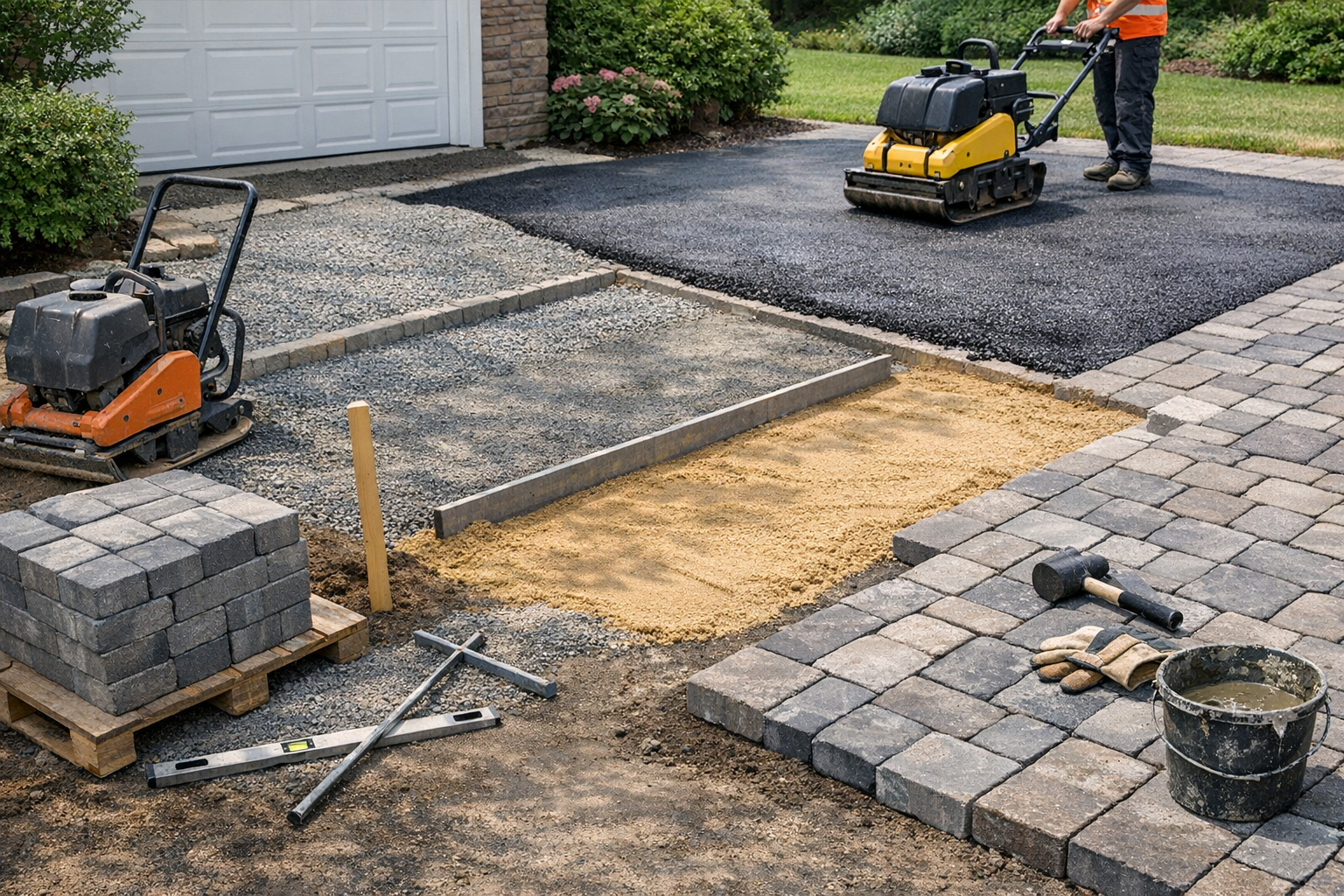
A strong base is the foundation of a durable driveway. Crushed stone or gravel is usually compacted to form a stable layer beneath the finished surface. If the base is uneven or too thin, the driveway may settle or crack over time.
4. Surface Installation
After the base is prepared, the chosen material is installed. Asphalt is laid and compacted while hot, concrete is poured and finished, pavers are placed in patterns, and gravel is spread evenly across the surface. Precision at this stage plays a major role in the final appearance and durability.
5. Finishing Touches
Edges are cleaned up, joints may be sealed, and the surface is inspected for proper drainage and consistency. Depending on the material, there may also be a curing or settling period before the driveway is ready for full use.
Common Mistakes to Avoid
One of the most common driveway installation mistakes is skipping proper base preparation. Even the best surface material will fail if the foundation is weak. Another mistake is ignoring drainage, which can lead to water damage and erosion.
It is also important not to choose a material based only on upfront cost. A cheaper option may seem attractive at first, but ongoing repairs and maintenance can make it more expensive over time. Finally, make sure the driveway is sized for your actual needs so you do not end up with a space that is too tight or awkward to use.
Maintenance Tips for Long-Lasting Results
Once your driveway is installed, regular maintenance will help extend its life. Keep the surface clean by removing dirt, leaves, and debris. Address small cracks or loose areas early before they become larger problems.
For asphalt driveways, sealing every few years can help protect against moisture and sun damage. Concrete driveways may benefit from occasional sealing as well. Paver driveways should be checked for shifting stones and weed growth between joints. Gravel driveways need periodic leveling and replenishment to stay smooth and functional.
When to Hire a Professional
Some homeowners may be tempted to handle driveway installation as a do-it-yourself project, but many jobs are best left to experienced contractors. Professional installers bring the right equipment, understand grading and drainage, and can complete the work efficiently.
Hiring a professional is especially helpful for larger driveways, sloped properties, or projects involving permits and local code requirements. A skilled contractor can also help you choose the right material for your climate, budget, and long-term goals.
Conclusion
Driveway installation is a major home improvement project, but careful planning and the right materials can lead to excellent results. By focusing on the foundation, drainage, and long-term maintenance, you can create a driveway that is both attractive and built to last. Whether you choose asphalt, concrete, pavers, or gravel, a well-executed installation will improve your property for years to come.