
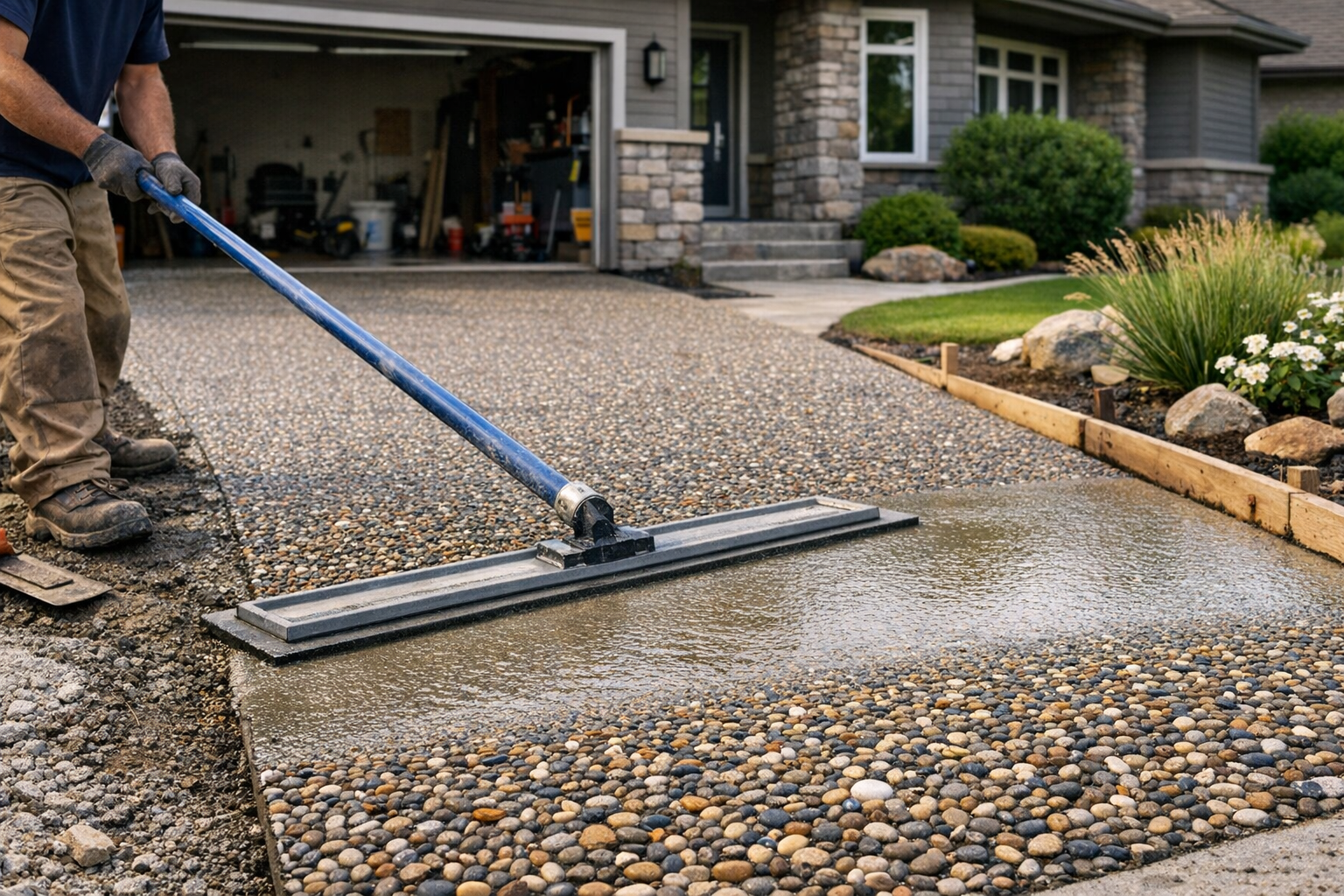
Aggregate Driveway Installation: A Practical Guide to a Durable, Attractive Finish
An aggregate driveway can transform the look of a home while providing a strong, low-maintenance surface for everyday use. Whether you want a natural finish that blends into the landscape or a more decorative driveway with texture and character, aggregate is a popular choice for good reason. It combines visual appeal, durability, and practical performance in one versatile surface.
In this guide, we’ll walk through the key steps in aggregate driveway installation, explain what makes this surface so effective, and share tips to help you get the best results. If you’re planning a new driveway or replacing an old one, understanding the process can help you make a smarter investment.
What Is an Aggregate Driveway?
An aggregate driveway is typically made by exposing stones, gravel, or decorative aggregate within a binder or concrete mix. The finished surface reveals the natural texture and color of the stones, creating a unique look that can range from subtle and classic to bold and modern.
There are a few common types of aggregate driveways:
- Exposed aggregate concrete – stones are revealed on the surface after the top layer of concrete is removed.
- Resin-bound aggregate – decorative stones are mixed with a clear resin and laid over a prepared base.
- Loose gravel aggregate – stones are spread over a prepared sub-base for a simpler, more rustic finish.
Each option has its own benefits, but all offer a textured, attractive appearance that works well in many property styles.
Benefits of Choosing Aggregate for Your Driveway
Aggregate driveways are popular because they balance appearance with performance. One of the biggest advantages is their visual flexibility. You can choose from different stone sizes, colors, and finishes to match your home’s exterior and surrounding landscape.
They are also known for being durable. When installed correctly, aggregate surfaces can withstand regular vehicle traffic and harsh weather conditions. The textured finish provides better traction than some smoother driveway materials, which can be especially helpful in wet or icy weather.
Other benefits include:
- Low maintenance compared with some paving alternatives
- Excellent drainage, especially in permeable or resin-bound systems
- Long-lasting performance when installed on a solid base
- Ability to complement both traditional and contemporary homes
Preparing for Aggregate Driveway Installation
Good preparation is the foundation of a successful driveway. Before installation begins, the area should be measured carefully and assessed for slope, drainage, and soil stability. A driveway that is not properly prepared may develop cracks, uneven spots, or drainage problems over time.
The first step is usually removing any existing surface, such as old concrete, asphalt, or turf. The ground below is then excavated to the correct depth. This depth depends on the driveway type and the expected traffic load, but it is important to allow enough room for the sub-base, binder, and aggregate finish.
Next comes the sub-base. This is a crucial layer made from compacted hardcore or crushed stone. It provides strength, stability, and proper drainage. Without a well-built sub-base, even the best-looking aggregate finish can fail prematurely.
Step-by-Step Aggregate Driveway Installation
1. Mark Out the Driveway Area
Start by setting clear boundaries for the driveway. Accurate marking helps ensure the finished surface fits the available space and allows for clean edges. This is also the time to plan any curves, borders, or decorative features.
2. Excavate the Ground
The ground is dug out to the required depth, removing soft soil, roots, and debris. Proper excavation creates a stable base and helps prevent sinking or shifting later on. The deeper the expected load, the more important this stage becomes.
3. Install and Compact the Sub-Base
A strong sub-base is laid in layers and compacted thoroughly with a plate compactor or roller. This step gives the driveway its structural support. Each layer should be level, firm, and well-drained before moving on.
4. Add Edging or Forms
Edging helps define the shape of the driveway and keeps the aggregate in place. Depending on the design, this may include concrete edges, block edging, or timber forms. Clean edges give the driveway a more finished appearance and improve long-term stability.
5. Lay the Binder or Base Material
For resin-bound or exposed aggregate driveways, a base layer is often installed before the decorative finish. In concrete-based systems, the concrete mix is poured and levelled. For resin-bound systems, the base must be smooth, dry, and properly prepared to ensure strong adhesion.
6. Apply the Aggregate Finish
This is the stage where the driveway’s appearance takes shape. In exposed aggregate concrete, stones near the surface are revealed after the top layer is removed or washed away. In resin-bound systems, aggregate is mixed with resin and spread evenly over the surface. The material is then smoothed and finished to the desired texture.
7. Allow Curing and Set Time
Once installed, the driveway needs time to cure or harden. It’s important not to drive or walk on the surface too soon. Curing times vary depending on the material used, weather conditions, and installation method. Following the installer’s guidance helps protect the finish and extend the life of the driveway.
Maintenance Tips for a Long-Lasting Finish
One of the advantages of an aggregate driveway is that it is relatively easy to maintain. Regular sweeping helps remove leaves, dirt, and debris. Occasional washing can keep the surface looking fresh, but avoid using overly harsh chemicals that could damage the finish.
If you have a resin-bound driveway, it’s a good idea to keep the surface clear of standing water and heavy debris. For loose gravel driveways, topping up displaced stones may be necessary from time to time. In all cases, checking for cracks, erosion, or drainage issues early can help prevent more costly repairs later.
Is Aggregate Driveway Installation Worth It?
For many homeowners, the answer is yes. Aggregate driveways offer a great mix of style, strength, and practicality. They can enhance curb appeal while standing up well to daily use, especially when installed with care and maintained properly.
The key is to focus on preparation, quality materials, and proper installation techniques. A well-built aggregate driveway does more than improve the look of a property—it adds lasting value and reliable function.
Conclusion
Aggregate driveway installation is a smart choice for homeowners who want a durable surface with plenty of visual appeal. With the right base preparation, quality materials, and proper finishing, you can enjoy a driveway that looks great and performs well for years to come.