Need Concrete? Start With the Basics
If you need concrete for a driveway, patio, foundation, sidewalk, or commercial project, the right choice can save time, money, and frustration. Concrete may seem straightforward, but there are many variables that affect strength, appearance, durability, and cost. Before ordering, it helps to understand what type of concrete you need, how much to buy, and which factors matter most for your project.
Whether you are a homeowner planning a small upgrade or a contractor managing a larger build, choosing concrete is about more than just getting a truck to the site. The mix, delivery timing, weather conditions, finishing method, and curing process all play important roles in how well the finished surface performs.
What Is Concrete and Why Does It Matter?
Concrete is a mixture of cement, water, sand, and aggregate such as gravel or crushed stone. When these ingredients are combined, the material begins to harden and gain strength. That makes concrete one of the most widely used building materials in the world.
Its popularity comes from its versatility. Concrete can be poured into slabs, molded into blocks, used for structural foundations, or finished decoratively for outdoor living spaces. It is strong, durable, and relatively cost-effective, but only when the right mix is selected for the job.
How to Know What Type of Concrete You Need
The first step is matching the concrete to the application. A driveway does not require the same mix as a footing for a house, and a decorative patio has different needs than an industrial floor.
Concrete for Driveways and Sidewalks
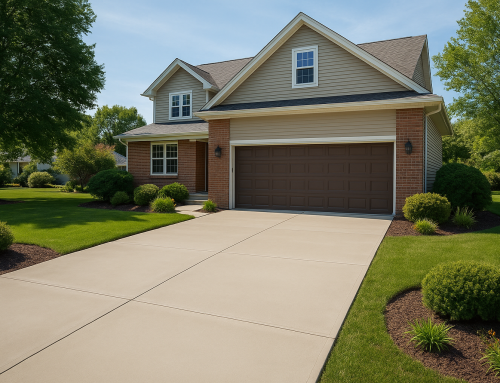
For driveways and sidewalks, you need concrete that can handle regular foot traffic, vehicle loads, and changing weather. A standard residential mix is often sufficient, but thickness, reinforcement, and proper drainage are just as important as strength. In colder climates, air-entrained concrete is often recommended because it performs better under freeze-thaw cycles.
Concrete for Foundations
If you need concrete for a foundation, strength and reliability are critical. Foundations support the entire structure, so the mix must meet the required compressive strength and be placed correctly. In many cases, local building codes will specify the exact requirements, including reinforcement, slab depth, and curing standards.
Concrete for Patios and Decorative Spaces
For patios, pool decks, and decorative surfaces, appearance matters almost as much as performance. You may want stamped, colored, or exposed aggregate concrete. These finishes can improve curb appeal and create a more polished look, but they often require skilled finishing and careful timing during placement.
Concrete for Structural or Commercial Use
Commercial projects and structural applications often demand higher-strength mixes or specialized concrete formulations. Depending on the project, you may need fast-setting concrete, fiber-reinforced concrete, or concrete designed for heavy loads, chemical exposure, or extreme weather.
Key Factors to Consider Before Ordering Concrete
Once you know the type of concrete your project needs, it is important to think through the practical details. A little planning can prevent costly delays and waste.
Strength Requirements
Concrete strength is measured in pounds per square inch, or PSI. Lower-strength mixes may work for some residential flatwork, while foundations or commercial slabs may require a higher PSI rating. If you are unsure, ask a supplier or contractor to recommend the right strength for your use case.
Quantity and Volume
Ordering the right amount of concrete is essential. Too little can delay the project and create visible seams if a second pour is needed. Too much can increase costs and waste. Concrete is usually calculated in cubic yards, so accurate measurements of length, width, and depth are important.
Delivery Timing
Concrete begins setting soon after mixing, so timing matters. Make sure the site is prepared before delivery arrives. Forms should be in place, reinforcement installed, and tools ready for finishing. If you need concrete during hot or cold weather, additional planning may be required to keep the mix workable and protect the finished surface.
Site Preparation
Even the best concrete mix will not perform well if the site is not prepared properly. The ground should be compacted, graded, and free of debris. In some projects, a gravel base is needed to improve drainage and stability. Good preparation helps prevent cracking, settling, and uneven surfaces later on.
Should You Order Ready-Mix Concrete?
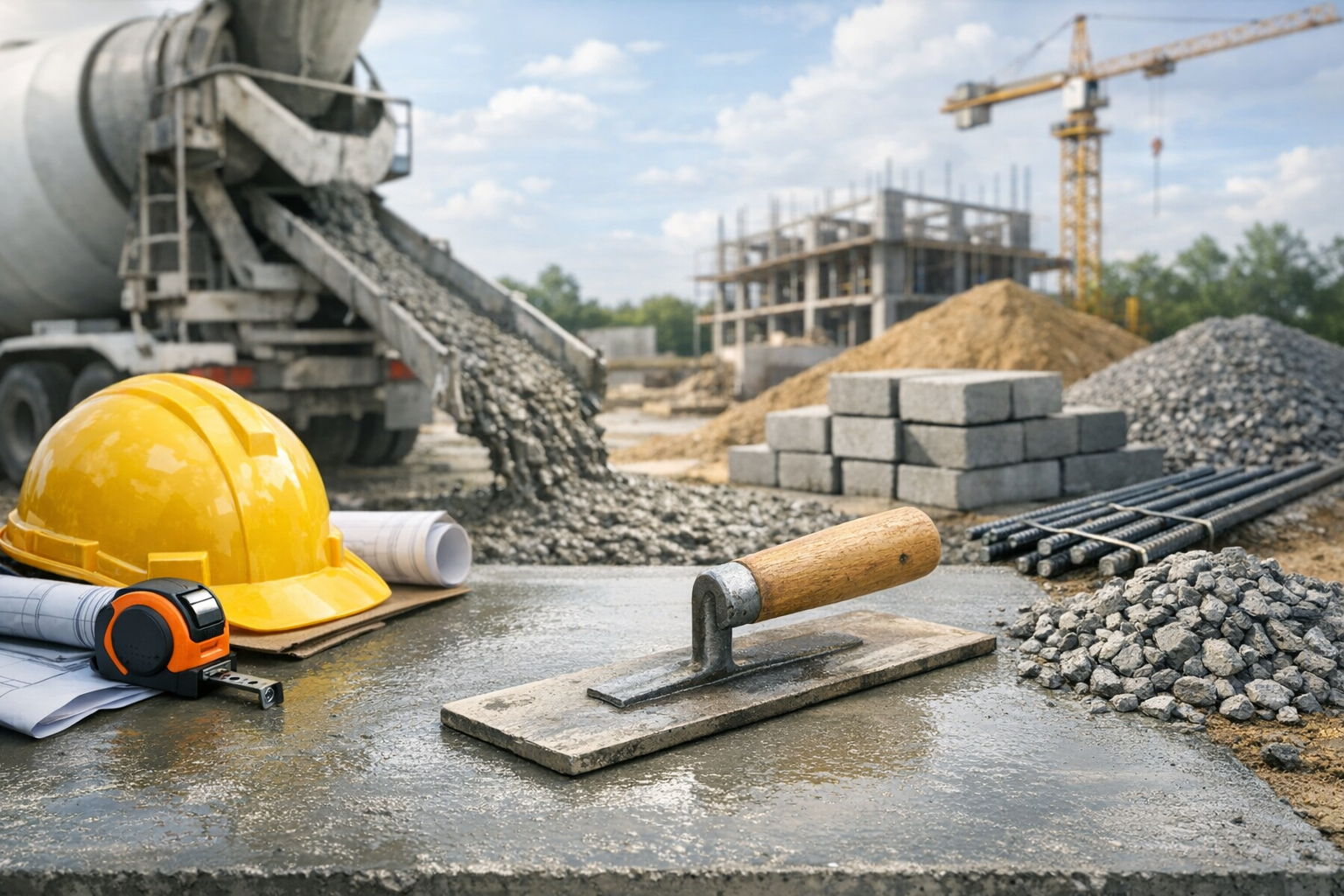
For many projects, ready-mix concrete is the simplest and most efficient option. It is mixed at a plant and delivered to your site in a truck, which helps ensure consistency and saves a great deal of labor. Ready-mix is ideal when you need a reliable supply and want to reduce on-site mixing errors.
However, not every project requires ready-mix delivery. Small repair jobs or very remote locations may be better served by bagged concrete mix or a portable mixer. The best option depends on the project size, budget, and access to the site.
Common Mistakes to Avoid When You Need Concrete
One of the biggest mistakes is underestimating how much concrete is needed. Another is choosing a mix based only on price rather than performance. Concrete that is too weak or poorly matched to the application can lead to cracking, surface wear, and premature failure.
It is also important not to rush the finishing and curing process. Concrete may appear hard on the surface long before it reaches full strength. Curing allows moisture to remain in the slab long enough for proper hydration, which improves durability and long-term performance. Skipping this step can shorten the life of the project.
How to Make the Best Choice
The best concrete choice starts with a clear understanding of the project. Think about how the surface will be used, how much load it will carry, and what weather conditions it will face. Then confirm the required strength, calculate the volume carefully, and plan for delivery and placement.
If the project is large, structural, or exposed to demanding conditions, consulting a concrete supplier or experienced contractor is worth the effort. Their guidance can help you choose the right mix and avoid expensive mistakes.
Conclusion
If you need concrete, the key is to match the mix to the job and plan ahead. With the right preparation, accurate ordering, and proper finishing, concrete can provide a durable, long-lasting result for almost any project. Taking the time to choose wisely now will pay off in strength, appearance, and peace of mind later.