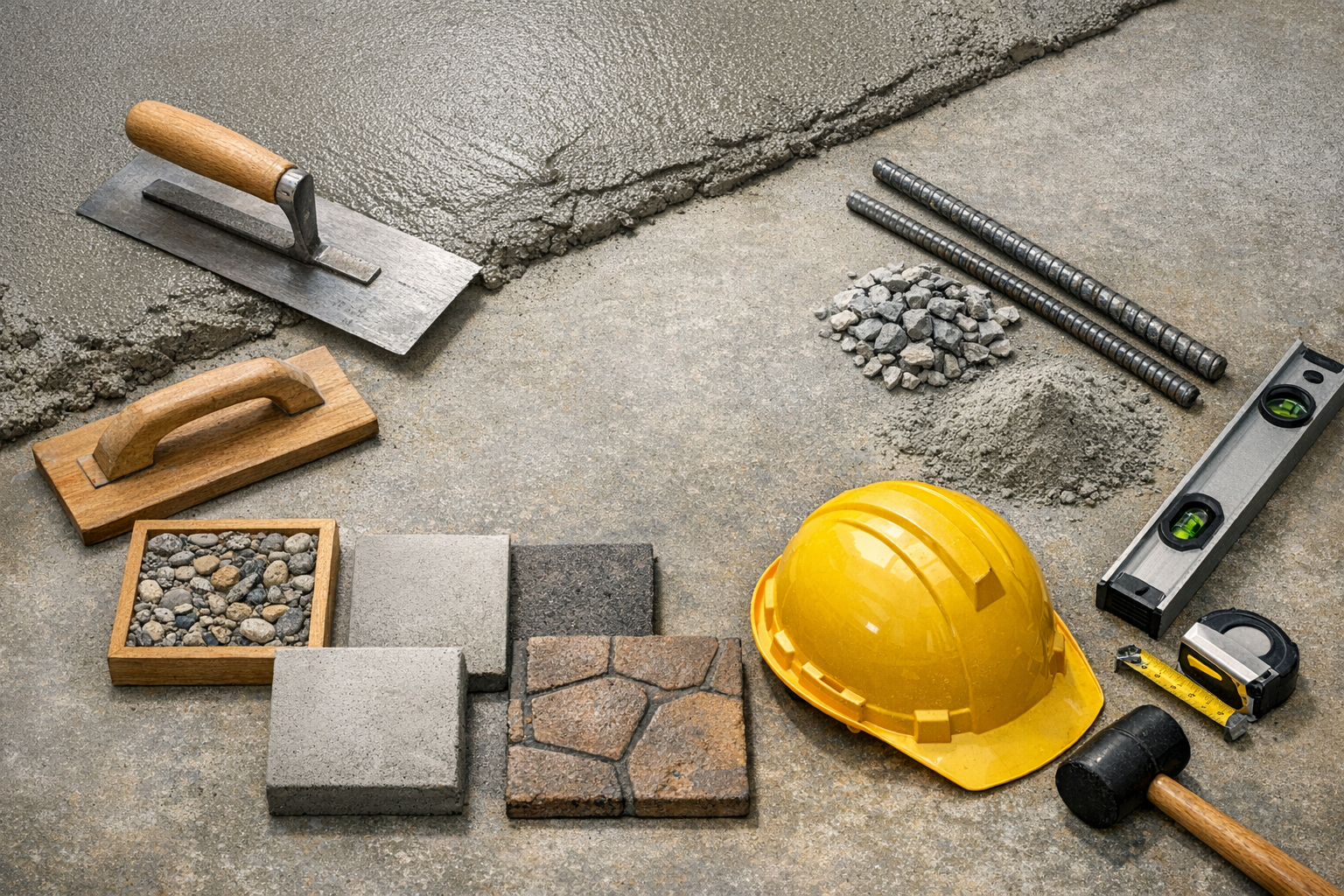
Concrete is one of the most widely used building materials in the world, and for good reason. It is strong, versatile, cost-effective, and durable enough to handle everything from driveways and patios to foundations and commercial floors. If you are planning a home project or simply want to understand what makes this material so dependable, learning the basics of concrete for you can help you make smarter decisions and get better long-term results.
What Is Concrete?
Concrete is a mixture of cement, water, and aggregates such as sand, gravel, or crushed stone. When combined, these ingredients form a material that starts as a workable paste and gradually hardens into a strong, stone-like surface. That process, called curing, is what gives concrete its strength.
Many people confuse cement and concrete, but they are not the same thing. Cement is only one ingredient in concrete. Think of cement as the binder that holds the mix together, while the aggregates provide bulk and stability.
Why Concrete Is Such a Popular Choice
Concrete is used in countless residential and commercial applications because it delivers a strong balance of performance and value. It can support heavy loads, withstand harsh weather, and last for decades with proper care. It is also highly adaptable, which makes it suitable for both structural and decorative uses.
Another reason homeowners and builders choose concrete is its design flexibility. Today’s concrete is not limited to plain gray slabs. It can be stamped, stained, polished, colored, or textured to create a custom look that complements a home or outdoor space.
Common Concrete Applications
Driveways and Walkways
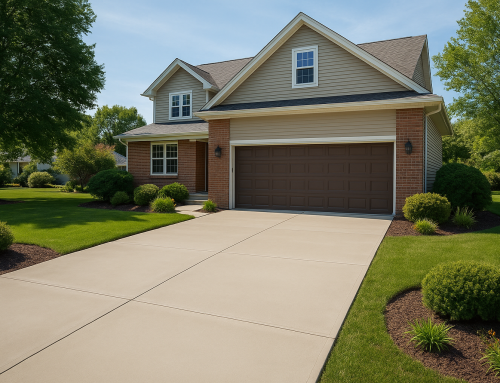
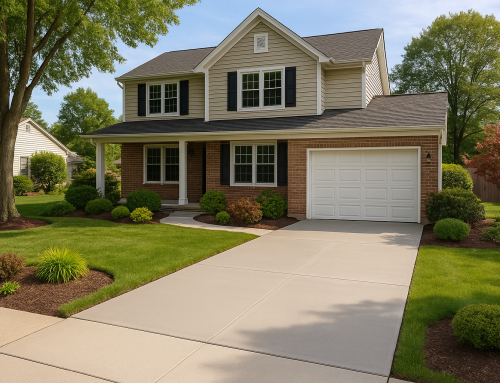
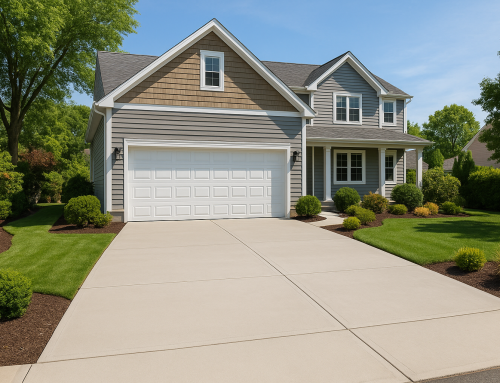
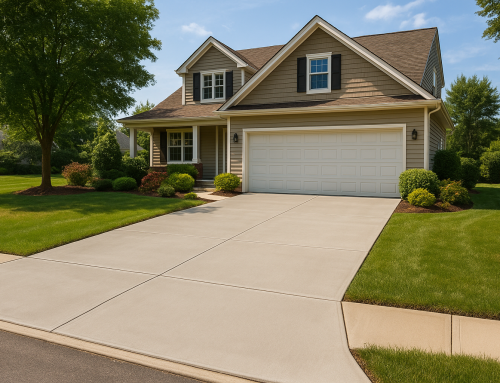
Concrete driveways are a practical choice because they hold up well under vehicle traffic and require relatively little maintenance. Walkways made from concrete provide a clean, stable surface that can be shaped to fit nearly any landscape design.
Patios and Outdoor Living Areas
For homeowners who want to create an inviting outdoor space, concrete patios are both functional and attractive. Decorative finishes can mimic stone, tile, or brick, giving you a custom look without the high cost of many natural materials.
Foundations and Structural Work
Concrete is essential in building foundations, slabs, footings, and retaining walls. Its strength and long-term durability make it a reliable material for supporting homes and other structures.
Floors and Interior Spaces
Polished concrete floors have become increasingly popular in modern homes, offices, and retail spaces. They are easy to clean, resistant to wear, and can create a sleek, contemporary style.
Benefits of Choosing Concrete for Your Project
When evaluating materials for a project, it helps to understand the advantages concrete brings to the table.
- Durability: Concrete can last for many years when installed and maintained properly.
- Versatility: It can be used for structural, functional, and decorative purposes.
- Low maintenance: Compared with many other surfaces, concrete requires relatively little upkeep.
- Cost-effectiveness: It often offers excellent value over the life of the project.
- Weather resistance: It performs well in many climates when properly mixed and finished.
These benefits make concrete a smart choice for homeowners who want a dependable surface that can stand up to everyday use.
Types of Concrete to Consider
Not all concrete is the same. Different mixes are designed for different purposes, and choosing the right one can improve the success of your project.
Standard concrete is commonly used for driveways, sidewalks, and slabs. High-strength concrete is formulated for projects that need to carry heavier loads. Stamped concrete is a decorative option that can resemble stone or brick. Fiber-reinforced concrete includes added fibers that help control cracking and improve toughness.
If you are unsure which type is right for your needs, talk with a concrete professional who can recommend a mix based on your project goals, climate, and budget.
What Affects Concrete Quality?
The final quality of concrete depends on more than just the ingredients. Proper mixing, placement, finishing, and curing all play a major role in how well it performs over time. Even a strong mix can fail prematurely if it is poured incorrectly or exposed to stress too soon.
Weather conditions also matter. Extreme heat, cold, wind, or rain can affect how concrete sets and cures. That is why timing and proper installation techniques are so important, especially for outdoor projects.
How to Maintain Concrete Surfaces
Concrete is known for being low maintenance, but a little care can go a long way in preserving its appearance and strength.
- Clean regularly: Sweep away dirt and wash the surface when needed.
- Seal the surface: A quality sealer can help protect against moisture, stains, and wear.
- Address cracks early: Small cracks should be repaired before they spread.
- Avoid harsh chemicals: Use cleaning products that are safe for concrete.
- Protect against freeze-thaw damage: In colder climates, sealing and proper drainage are especially important.
With routine maintenance, concrete can continue looking good and performing well for many years.
When to Call a Concrete Professional
Some small projects may be manageable for experienced DIYers, but many concrete jobs benefit from professional installation. A skilled contractor understands how to prepare the site, calculate the right mix, manage curing conditions, and finish the surface correctly.
Professional help is especially important for foundations, large slabs, decorative finishes, and areas where drainage or structural strength is critical. Hiring the right team can save time, reduce mistakes, and help ensure the finished product lasts as expected.
Conclusion
Concrete remains one of the most practical and reliable materials available for home and commercial projects. Whether you are planning a driveway, patio, foundation, or interior floor, understanding your options can help you choose the best solution for your space. With the right mix, proper installation, and basic maintenance, concrete for you can deliver lasting strength, style, and value.