What Does “Get Concrete” Mean?
When people say get concrete, they usually mean more than just buying a bag of cement. In most cases, they are looking for the right concrete solution for a project, whether that means ordering ready-mix, mixing a small batch at home, or planning a full construction pour. Concrete is one of the most widely used building materials in the world because it is strong, versatile, and long-lasting.
If you are planning a driveway, patio, foundation, slab, or repair job, getting concrete the right way matters. The quality of the mix, the amount you need, and how you install it can all affect the final result. A little planning upfront can save time, money, and frustration later.
Why Concrete Is Such a Popular Building Material
Concrete remains a top choice for residential, commercial, and industrial projects because it performs well in a wide range of conditions. It can support heavy loads, handle weather exposure, and be shaped into many forms. With proper installation and maintenance, concrete can last for decades.
Another reason concrete is so popular is its flexibility. It can be smooth or textured, colored or plain, decorative or highly functional. From sidewalks to countertops, concrete can be tailored to fit the needs of the project.
Types of Concrete You Can Get
Ready-Mix Concrete
Ready-mix concrete is delivered to the job site already blended to a specific design. This is often the best option for larger projects because it provides consistency and saves labor. Contractors commonly use ready-mix for foundations, driveways, and slabs.
Bagged Concrete Mix
Bagged concrete mix is a convenient choice for smaller jobs. It is available at most home improvement stores and is ideal for posts, steps, minor repairs, and small slabs. You simply add water according to the instructions.
High-Strength and Specialty Mixes
Some projects require a concrete mix with special properties, such as extra strength, fast setting, or improved resistance to cracking. Specialty mixes are useful for heavy-duty applications, cold weather work, or decorative finishes.
How to Decide What Kind of Concrete You Need
Before you get concrete, think about the purpose of the project. A patio does not need the same mix as a warehouse floor. Consider load requirements, exposure to moisture, climate, and whether the surface will be decorative or purely structural.
It also helps to estimate the amount of concrete needed. Ordering too little can delay the project, while ordering too much can create waste and extra cost. Measure the length, width, and depth of the area, then use a concrete calculator or ask a supplier for help.
Finally, consider your timeline. Some concrete mixes set quickly, which can be useful for small repairs but challenging for large pours. If you need more working time, choose a mix designed for larger projects or warmer conditions.
Steps to Get Concrete the Right Way
1. Plan the Project
Start by identifying the size and purpose of the job. Sketch the area, note dimensions, and determine whether reinforcement such as rebar or wire mesh is needed. Good planning makes the rest of the process easier.
2. Choose the Right Supplier
Work with a reputable concrete supplier or building materials store. Ask about mix options, delivery schedules, and minimum order requirements. A knowledgeable supplier can help match the product to your project.
3. Prepare the Site
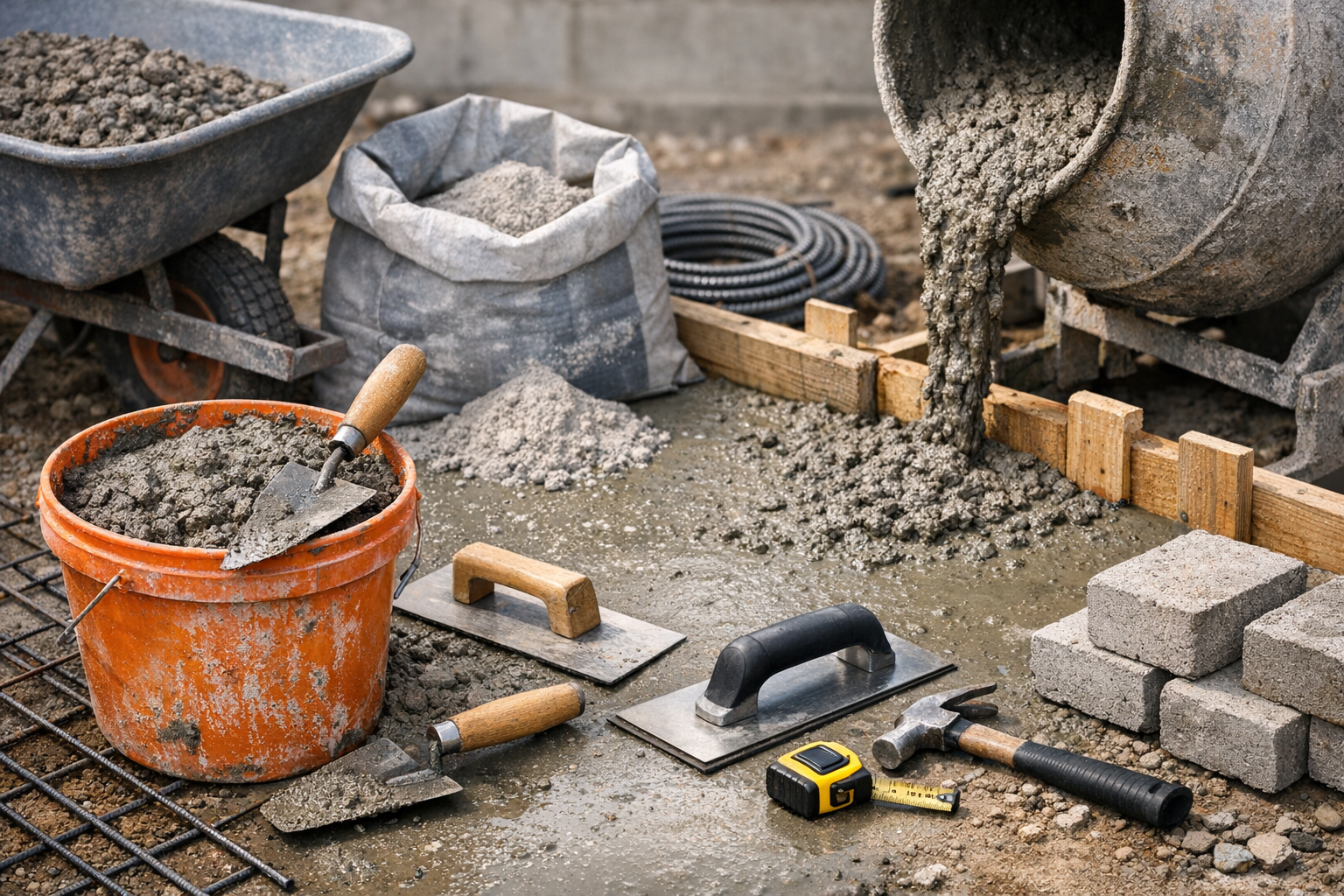
Before the concrete arrives, make sure the site is ready. Excavate if needed, level the base, and build sturdy forms to hold the concrete in place. Preparation is critical because concrete begins to set soon after mixing or delivery.
4. Pour and Finish Properly
Once you get concrete, work efficiently. Spread it evenly, remove air pockets, and finish the surface based on the intended use. A broom finish may be best for slip resistance, while a smooth finish may suit interior floors or decorative work.
5. Cure the Concrete
Curing is one of the most important steps in the process. Concrete needs time to gain strength, and keeping it moist during the curing period helps prevent cracking and improves durability. Follow the recommended curing time for the specific mix you are using.
Common Mistakes to Avoid
One of the biggest mistakes is underestimating how much concrete is needed. Another common issue is adding too much water, which weakens the final product. It is also a problem to pour concrete onto an unprepared base or ignore curing after the pour.
For larger projects, avoid rushing delivery or mixing. Concrete has a limited working time, so everything should be ready before the truck or mixer arrives. Careful preparation helps ensure a strong, even result.
When to Call a Professional
Some concrete projects are simple enough for a confident DIYer, but others require professional help. If the project involves structural foundations, large slabs, sloped surfaces, or drainage concerns, it is often best to bring in an experienced contractor.
A professional can also help when you need permits, engineering guidance, or specialized finishing. Paying for expert help upfront can prevent expensive mistakes later.
Conclusion
To get concrete successfully, start with the right plan, choose the proper mix, prepare the site carefully, and allow enough time for curing. Whether you are tackling a small repair or a major build, the quality of your concrete work depends on smart choices at every step. With the right approach, you can create a surface or structure that is durable, functional, and built to last.