
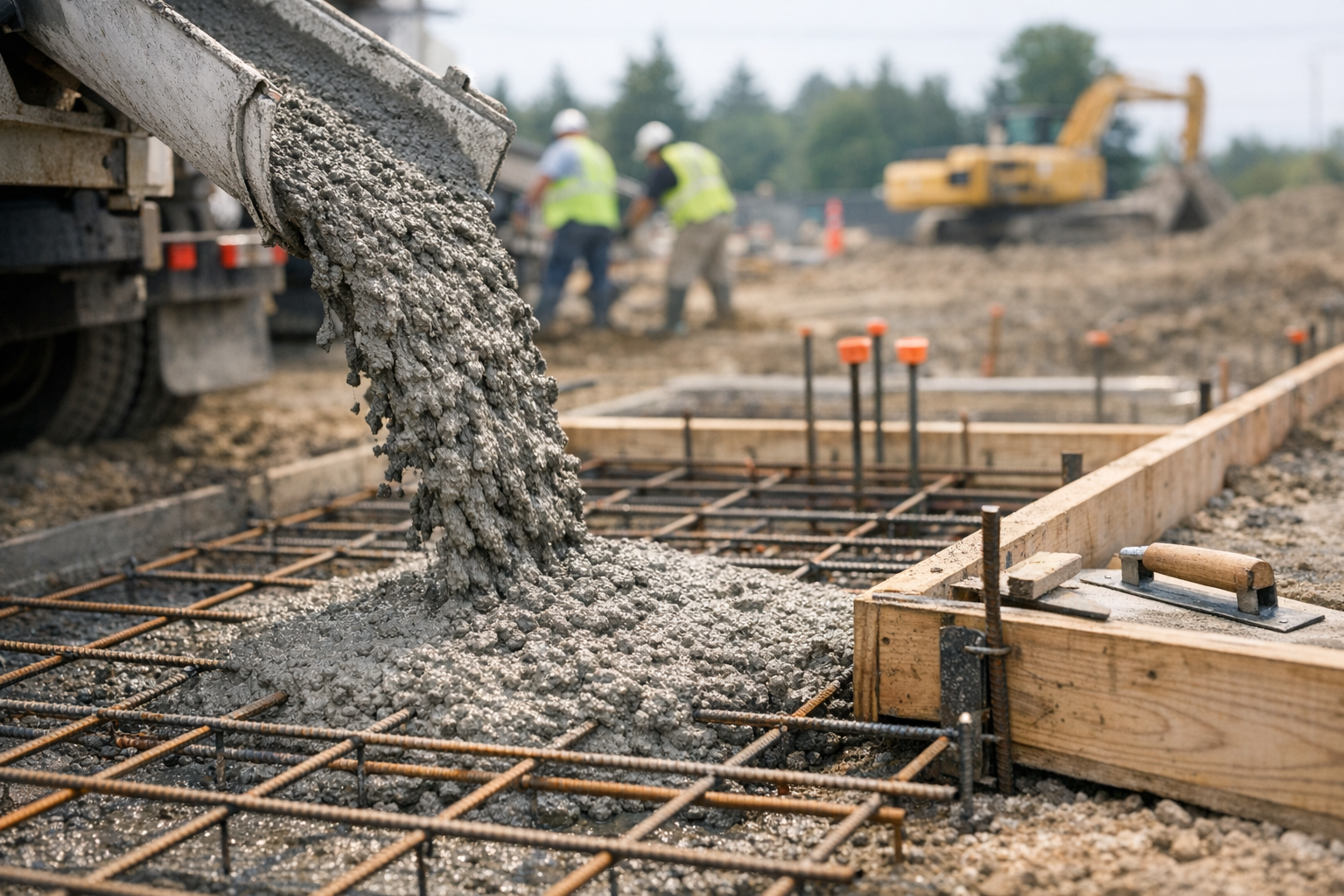
What Is First Concrete?
First concrete refers to the initial concrete pour in a construction project. It is the starting point for creating a stable foundation, slab, footing, or other structural element that will support everything built above it. Because it sets the tone for the rest of the project, first concrete must be planned carefully and executed with precision.
Whether you are building a home, garage, patio, driveway, or commercial structure, the first pour is more than just pouring a gray mix into a form. It involves site preparation, accurate measurements, proper reinforcement, and attention to curing. A strong first concrete pour can help prevent future problems such as cracking, settling, and uneven surfaces.
Why First Concrete Matters
The first concrete pour is critical because it establishes the strength, levelness, and durability of the entire project. If the base is weak or poorly finished, issues may appear later in the form of structural movement, drainage problems, or surface damage. In many cases, correcting these problems after construction has progressed is costly and time-consuming.
First concrete also plays an important role in load distribution. It transfers the weight of the structure into the ground, so the concrete must be placed on properly prepared soil or subbase. Good workmanship at this stage helps ensure the building remains safe and stable over time.
Planning the First Concrete Pour
Assess the Site Conditions
Before any concrete is mixed, the site should be evaluated for slope, soil quality, drainage, and access. Soft, loose, or overly wet soil may need to be compacted or improved before pouring. Drainage should also be considered so water does not collect under or around the slab.
Choose the Right Concrete Mix
Not all concrete mixes are the same. The right mix depends on the project type, load requirements, and exposure conditions. For example, a driveway may need a stronger mix than a simple walkway. In colder climates, air-entrained concrete may be recommended for freeze-thaw resistance. A professional supplier or contractor can help determine the proper strength and additives.
Prepare the Forms and Reinforcement
Forms define the shape and dimensions of the concrete. They should be straight, secure, and level before pouring begins. Reinforcement such as rebar or wire mesh may be required to improve tensile strength and reduce cracking. The placement of reinforcement should be carefully checked so it remains properly positioned within the slab.
Steps for a Successful First Concrete Pour
1. Excavate and Compact the Base
The area should be excavated to the correct depth and then compacted to create a firm foundation. A gravel subbase is often added to improve drainage and support. Proper compaction is essential because concrete is only as stable as the ground beneath it.
2. Set the Forms
After the base is prepared, forms are installed to outline the project. It is important to verify measurements, square corners, and consistent elevations. Even small errors at this stage can affect the final appearance and performance of the concrete.
3. Place Reinforcement
If the design calls for reinforcement, place it according to the plan before the pour begins. Rebar chairs or supports may be used to keep steel centered within the slab. This helps the reinforcement do its job effectively once the concrete hardens.
4. Pour and Spread the Concrete
Concrete should be placed as evenly as possible to avoid segregation or excessive handling. Workers typically use shovels, rakes, or come-alongs to spread the material throughout the forms. For larger pours, a pump or chute may be used to speed placement and reduce delays.
5. Level, Screed, and Finish
Once the concrete is in place, it is leveled using a screed board or mechanical screed. After that, finishing tools smooth the surface and create the desired texture. The finish may be broomed for slip resistance, troweled for a smoother look, or left with a specialized decorative pattern.
6. Cure the Concrete Properly
Curing is one of the most important parts of the first concrete process. Concrete gains strength over time, and it needs moisture and stable conditions to cure correctly. Keeping the surface damp, covering it with plastic, or applying a curing compound can help reduce cracking and improve long-term durability.
Common Mistakes to Avoid
One of the biggest mistakes in first concrete work is rushing the preparation stage. If the base is not compacted or the forms are not level, the finished project may fail to perform as expected. Another common issue is adding too much water to the mix, which weakens the concrete and increases the chance of cracking.
Poor curing is another frequent problem. Some people assume concrete is finished once it hardens on the surface, but strength development continues for days and even weeks. Failing to cure properly can reduce durability and shorten the lifespan of the structure. Weather conditions should also be monitored closely, since extreme heat, wind, or cold can affect placement and finishing.
When to Call a Professional
While small projects may be manageable for experienced DIYers, the first concrete pour for a foundation, structural slab, or large load-bearing area is often best left to professionals. Contractors bring the equipment, expertise, and knowledge needed to handle grading, reinforcement, and finishing correctly. They can also help prevent expensive mistakes that may not be visible until much later.
If the project involves permits, structural requirements, or complex site conditions, professional guidance is especially valuable. A skilled concrete team can ensure the first pour meets local building standards and performs well over time.
Conclusion
First concrete is the foundation of a successful building project. By preparing the site properly, choosing the right mix, placing reinforcement correctly, and curing the slab with care, you can create a durable base that lasts for years. Taking time to do the first pour right is one of the smartest investments you can make in any construction project.