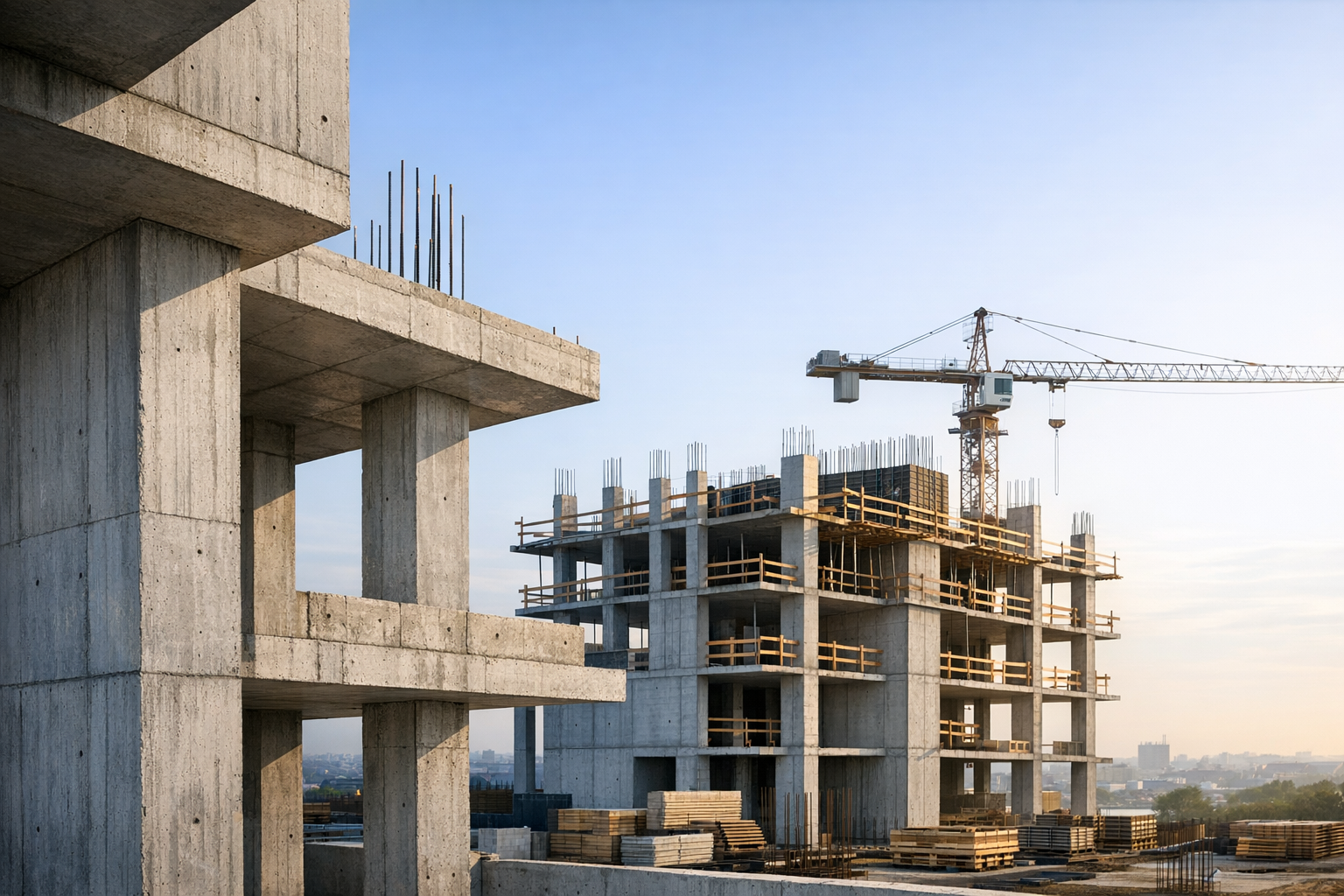
What Does Concrete Built Mean?
When people talk about something being concrete built, they usually mean it has been constructed with concrete as a primary material or has the strength and permanence associated with concrete construction. In modern building, concrete is one of the most trusted materials because it offers durability, versatility, and long-term value. From homes and garages to sidewalks, retaining walls, and commercial structures, concrete built projects are designed to stand up to heavy use and changing weather conditions.
Concrete built structures are common because concrete can be shaped, poured, reinforced, and finished in many ways. It can serve as a foundation, a load-bearing element, or a decorative surface. Whether the goal is a simple patio or a major structural project, concrete remains a go-to choice for builders and property owners who want reliability and performance.
Why Concrete Built Structures Are So Popular
There are several reasons concrete built construction continues to be a preferred option across residential, commercial, and industrial projects. One of the biggest advantages is strength. Concrete can support significant weight without bending or warping, which makes it ideal for foundations, slabs, and structural walls.
Another major benefit is longevity. Properly installed concrete can last for decades with minimal maintenance. Unlike some materials that may rot, rust, or attract pests, concrete offers a stable and low-maintenance solution. It also performs well in a wide range of climates, which is one reason it is used around the world.
Concrete built projects are also highly adaptable. Builders can use different mixes, reinforcements, and finishing techniques to meet specific needs. For example, concrete can be polished for a sleek indoor floor, stamped to resemble stone outdoors, or reinforced with steel for added structural strength.
Common Types of Concrete Built Projects
Foundations and Slabs
One of the most important uses of concrete is in foundations and slabs. A strong foundation is essential for any building, and concrete provides the stable base needed to distribute weight evenly. Slabs are also used for floors in garages, basements, sheds, and commercial spaces.
Driveways and Walkways
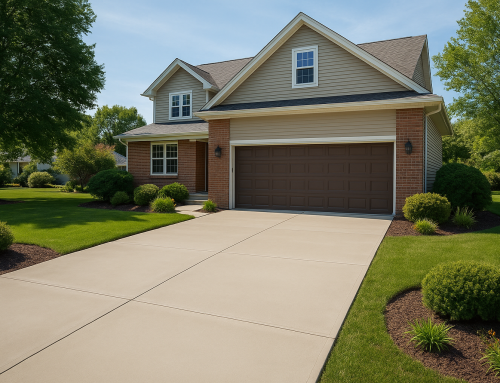
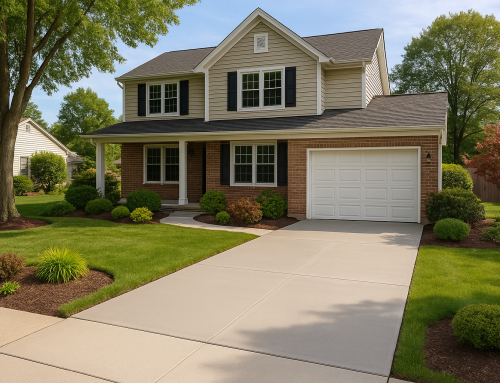
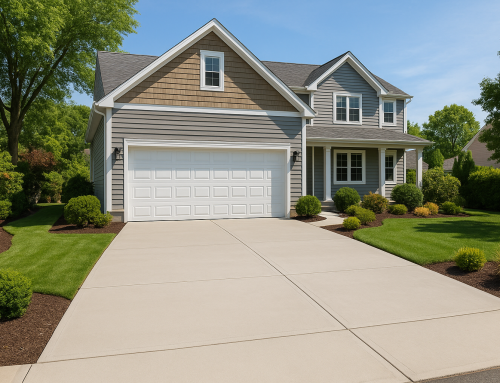
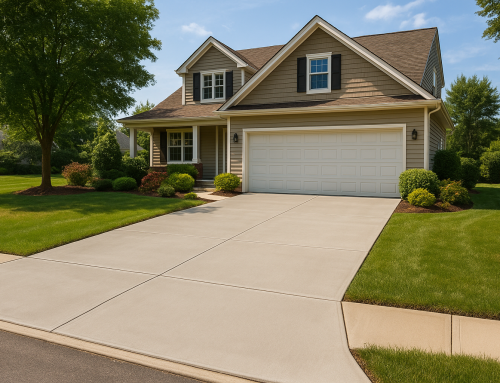
Concrete driveways and walkways are popular because they handle frequent traffic and weather exposure very well. They offer a clean, finished look and can be customized with textures, borders, or decorative patterns. A concrete built driveway can also increase curb appeal while providing years of practical use.
Retaining Walls and Outdoor Features
Retaining walls help control soil movement and shape landscaped areas. When built with concrete, these walls offer excellent strength and stability. Concrete is also used for outdoor kitchens, fire pits, seating areas, patios, and pool decks, making it a favorite for backyard improvements.
Commercial and Industrial Construction
In larger projects, concrete built construction is often the foundation of warehouses, parking structures, bridges, and office buildings. These projects require materials that can meet demanding structural needs, and concrete delivers both durability and fire resistance.
Benefits of Choosing Concrete Built Construction
Concrete built construction offers a strong mix of practical and financial benefits. First, it provides excellent structural integrity. This means buildings and surfaces made with concrete are less likely to shift, crack, or fail when properly designed and maintained.
Second, concrete is energy efficient in many applications. Its thermal mass helps regulate indoor temperatures by absorbing and slowly releasing heat. This can support better energy performance in homes and buildings.
Third, concrete offers design flexibility. Modern techniques allow for a wide range of finishes, colors, textures, and forms. This means concrete is no longer limited to plain gray surfaces. Today, it can be both functional and visually appealing.
Finally, concrete built projects can be cost-effective over time. While the upfront investment may be higher than some alternatives, the reduced maintenance and long service life often make concrete a smart long-term choice.
What to Consider Before Starting a Concrete Built Project
Before starting a concrete built project, it is important to plan carefully. The first step is understanding the purpose of the project. A decorative patio, for example, will have different requirements than a structural foundation or retaining wall.
Next, consider the site conditions. Soil quality, drainage, slope, and climate can all affect how concrete should be designed and installed. Poor site preparation can lead to cracking, settling, or water damage, so proper groundwork is essential.
You should also think about reinforcement. In many projects, steel rebar or wire mesh is added to improve tensile strength and reduce the risk of cracking. The right reinforcement depends on the size and function of the structure.
Finally, timing matters. Concrete needs proper curing to reach its full strength. Rushing the process or exposing fresh concrete to harsh conditions too soon can affect durability and appearance.
Maintenance Tips for Concrete Built Surfaces
Even though concrete is known for being low maintenance, regular care can help extend its lifespan. Sealing concrete surfaces is one of the best ways to protect them from moisture, stains, and surface wear. This is especially useful for driveways, patios, and floors that see a lot of use.
Cleaning concrete regularly also helps preserve its appearance. A simple sweep and occasional wash can prevent dirt and debris from building up. For outdoor surfaces, removing leaves, oil, and standing water can reduce staining and surface damage.
If small cracks appear, addressing them early is important. Minor repairs can often prevent larger issues later. For structural concrete built elements, professional inspection may be needed if cracking, sinking, or drainage problems become noticeable.
Is Concrete Built Right for Your Project?
Concrete built construction is a strong choice when you need durability, stability, and long-term value. It works especially well for foundations, outdoor spaces, driveways, and many commercial applications. If your project calls for a material that can handle pressure and deliver dependable results, concrete is often the answer.
That said, the success of any concrete built project depends on good planning, quality materials, and proper installation. Working with experienced professionals can make a big difference in the final result, especially for larger or more complex builds.
Conclusion
Concrete built projects continue to play a major role in modern construction because they combine strength, versatility, and lasting value. With the right design and maintenance, concrete can provide a dependable foundation for structures and outdoor spaces for many years. Whether you are planning a small residential upgrade or a larger commercial build, concrete remains one of the most practical materials available.