Introduction
Concrete and masonry works are the backbone of many durable, attractive, and long-lasting structures. From foundations and slabs to retaining walls, brick facades, and block partitions, these construction methods combine strength, versatility, and timeless appeal. Whether you are planning a home improvement project or managing a larger build, understanding how concrete and masonry work together can help you make better decisions about design, performance, and maintenance.
What Are Concrete and Masonry Works?
Concrete works refer to the preparation, placement, finishing, and curing of concrete used in structural and decorative applications. This includes driveways, sidewalks, foundations, footings, patios, columns, and more. Concrete is valued for its compressive strength, durability, and adaptability to different shapes and load requirements.
Masonry works involve building with individual units such as brick, stone, concrete block, and veneer products that are laid and bonded together with mortar. Masonry is commonly used for walls, chimneys, fireplaces, retaining structures, and architectural finishes. It adds both structural integrity and visual character to a project.
In many projects, concrete and masonry work side by side. Concrete may provide the structural base, while masonry creates the finished surface or enclosure. Together, they support both function and appearance.
Key Types of Concrete Works
Foundations and Footings
Foundations and footings are among the most important concrete elements in any building. They transfer the weight of the structure to the ground and help prevent settling or movement. Proper excavation, reinforcement, and curing are essential to ensure a stable base.
Slabs and Floors
Concrete slabs are widely used for garages, basements, warehouses, patios, and ground-level floors. A well-poured slab provides a flat, durable surface that can handle heavy loads and daily wear. Finishing methods can also improve slip resistance and appearance.
Driveways, Sidewalks, and Patios
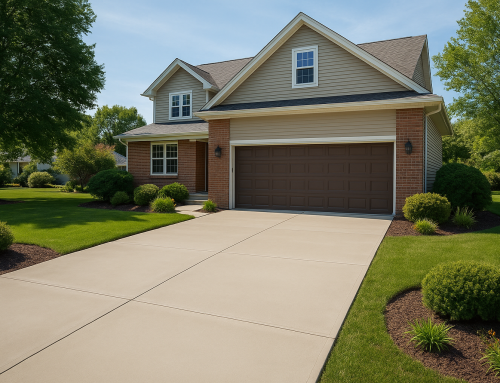
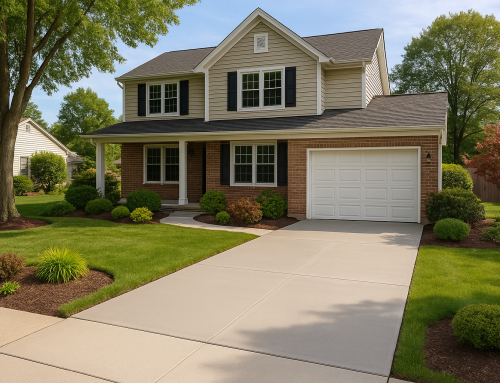
Exterior concrete surfaces must withstand weather, moisture, and traffic. Driveways and sidewalks need proper grading and control joints to reduce cracking. Patios can be customized with stamped, colored, or brushed finishes for a more decorative look.
Walls, Columns, and Structural Elements
Concrete is often used in load-bearing walls, columns, and retaining structures. When reinforced with steel bars or mesh, it becomes even stronger and more resistant to tension and bending forces. This makes it suitable for demanding structural applications.
Common Masonry Techniques and Materials
Brick Masonry
Brick is one of the most traditional and recognizable masonry materials. It offers excellent durability and a classic appearance. Brickwork is often used in exterior walls, garden features, fireplaces, and decorative accents.
Block Masonry
Concrete blocks, also called CMUs, are commonly used in foundations, load-bearing walls, and partitions. They are efficient to install, cost-effective, and highly durable. Block masonry can also be finished with plaster, stucco, or veneer.
Stone Masonry
Natural stone provides a premium, timeless look. It can be used in facades, retaining walls, landscaping, and feature walls. Stone masonry requires skillful placement and careful selection of materials, but the results are often striking and long-lasting.
Mortar and Bonding
Mortar is the binding material that holds masonry units together. The right mortar mix is important for strength, flexibility, and weather resistance. Different bond patterns, such as running bond or stack bond, can influence both structural behavior and visual style.
Benefits of Concrete and Masonry Works
One of the biggest advantages of concrete and masonry works is durability. These materials are designed to handle heavy loads, harsh weather, and long-term use. When properly installed, they can last for decades with minimal intervention.
They also offer fire resistance, energy efficiency, and low maintenance compared with many other building materials. Masonry walls can improve thermal mass, helping regulate indoor temperatures, while concrete provides solid performance in both structural and decorative applications.
Another benefit is design flexibility. Concrete can be shaped, textured, stained, and stamped, while masonry offers a wide range of colors, patterns, and finishes. This makes it possible to achieve anything from a simple industrial look to a polished architectural statement.
Planning a Successful Project
Good planning is essential before any concrete or masonry work begins. Start by defining the project’s purpose, expected load, exposure conditions, and budget. The right material choice depends on whether the structure needs strength, aesthetics, or a balance of both.
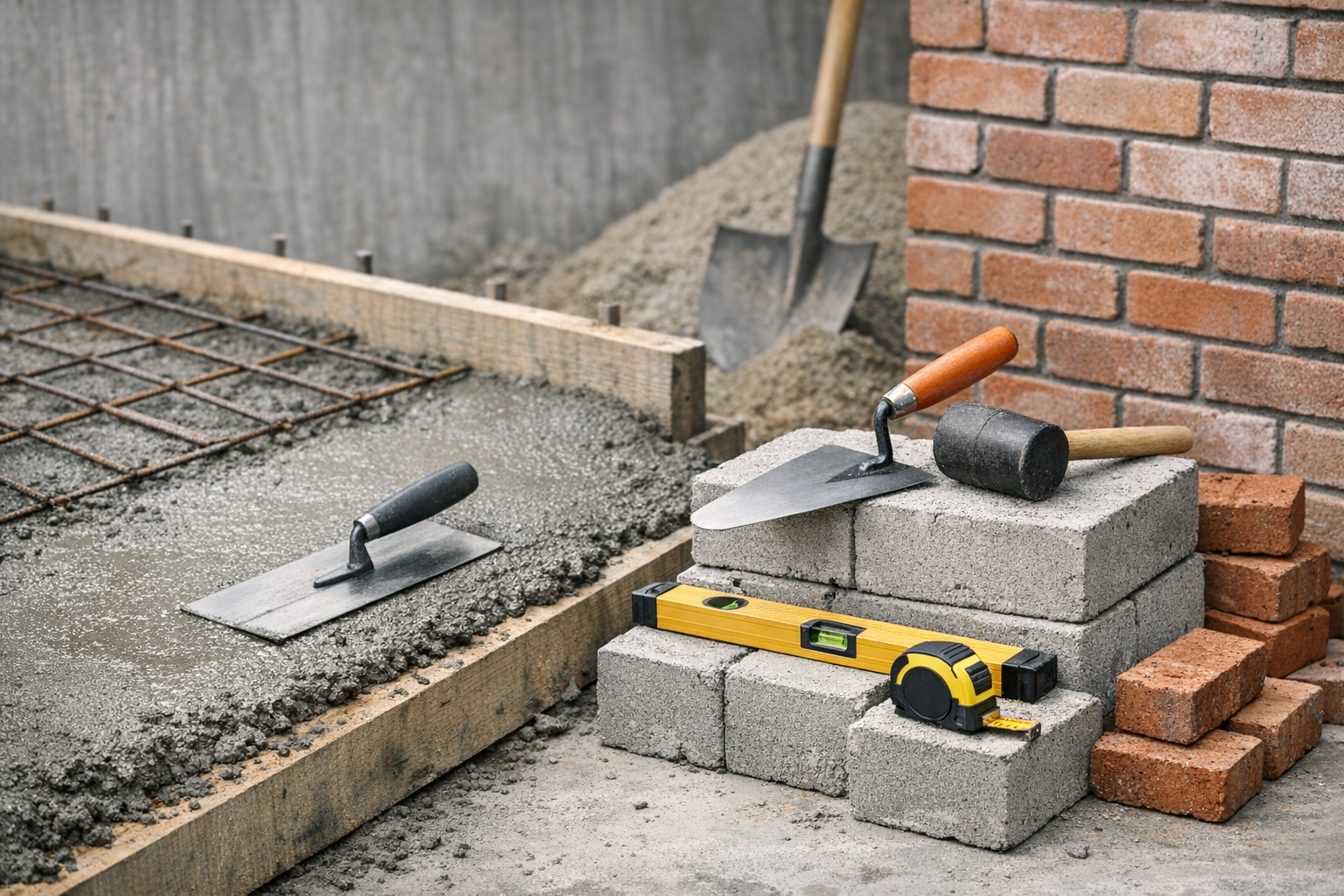
Site preparation matters just as much as the materials themselves. The ground must be properly graded, compacted, and drained to prevent cracking, shifting, or water damage. For concrete, reinforcement, formwork, and mix design should be matched to the job. For masonry, wall alignment, joint thickness, and mortar consistency are critical.
It is also wise to consider local building codes and permit requirements. Many structural projects must meet specific standards for footing depth, reinforcement, drainage, and load-bearing capacity. Working with experienced professionals can help ensure compliance and reduce costly mistakes.
Maintenance and Repair Tips
Even strong materials need regular care. Concrete surfaces should be cleaned periodically and sealed when needed to protect against moisture, stains, and surface wear. Small cracks should be monitored and repaired early before they grow larger.
Masonry should be checked for loose joints, spalling, efflorescence, or water intrusion. Damaged mortar joints may need repointing, while cracked bricks or blocks should be replaced promptly. Good drainage around walls and foundations is one of the best ways to extend the life of both concrete and masonry.
Preventive maintenance can save time and money in the long run. A simple inspection each season can help catch minor issues before they become major structural problems.
Conclusion
Concrete and masonry works remain essential to modern construction because they combine strength, versatility, and lasting value. From structural foundations to elegant stone finishes, these materials play a key role in creating safe, attractive, and durable spaces. With careful planning, skilled installation, and regular maintenance, concrete and masonry projects can stand the test of time.