What Is Mason Work?
Mason work, also called masonry, is the craft of building with durable materials such as brick, stone, concrete block, and mortar. It combines strength, precision, and design to create structures that last for decades, and often centuries. From home foundations and fireplaces to retaining walls and decorative facades, mason work plays a major role in both structural and aesthetic construction.
At its core, masonry is about placing individual units in a careful pattern and binding them together with mortar or other joining methods. The result is a finished surface or structure that is strong, fire-resistant, and visually appealing. Because of its versatility, mason work remains one of the most respected trades in construction.
Common Types of Mason Work
Mason work includes several different techniques and material choices. Each type serves a different purpose, depending on the project’s goals, budget, and design style.
Brick Masonry
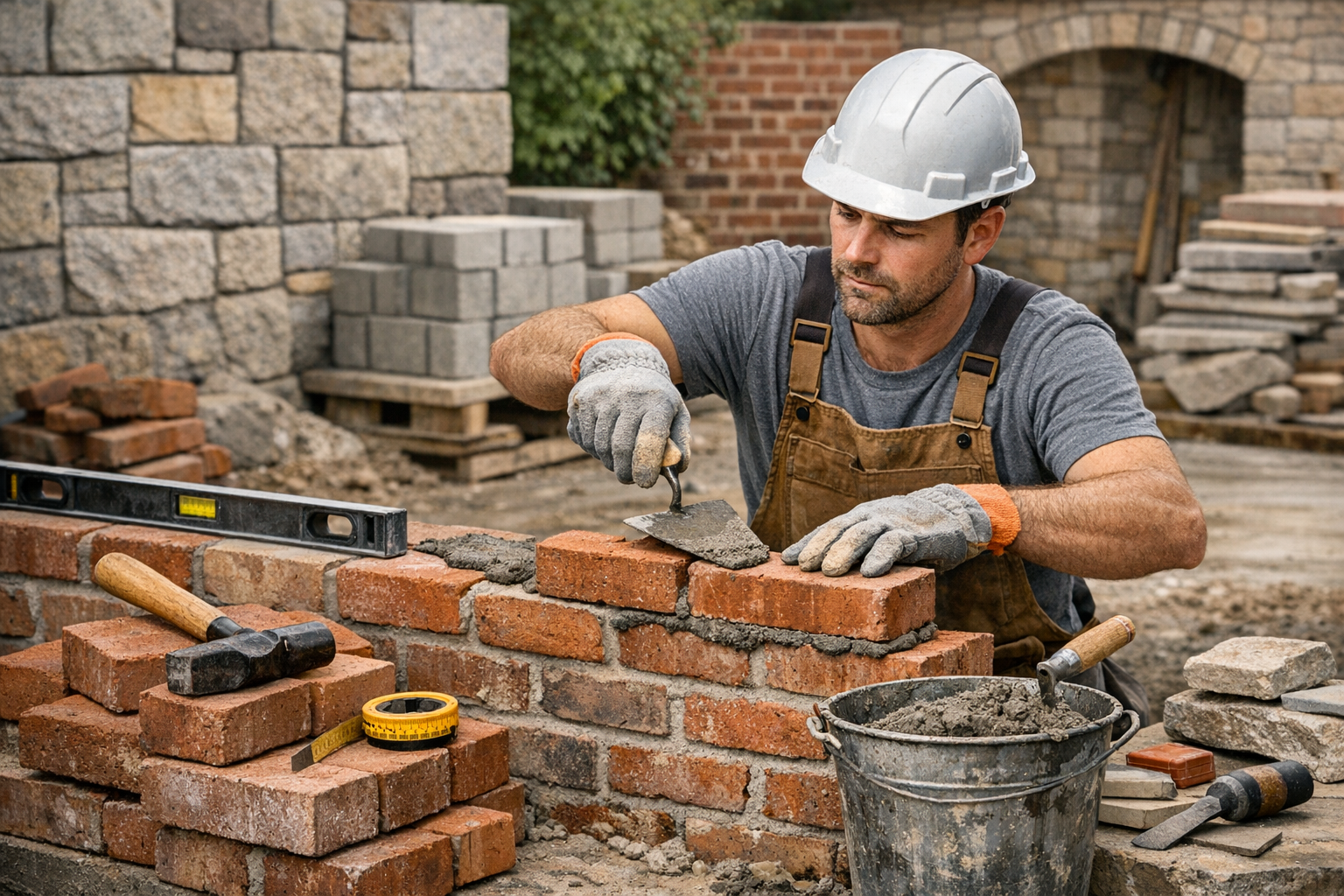
Brick masonry is one of the most familiar forms of mason work. Bricks are arranged in patterns called bonds and secured with mortar. This type of work is commonly used for walls, chimneys, patios, and exterior facades. Brick offers a classic appearance and performs well in a wide range of climates.
Stone Masonry
Stone masonry uses natural or cut stone and is valued for its timeless beauty and durability. It is often seen in landscaping, retaining walls, monuments, and high-end exterior finishes. Because stone varies in shape and size, this type of mason work requires a skilled hand and strong attention to detail.
Concrete Block Masonry
Concrete blocks, also known as CMUs, are larger than bricks and are commonly used in foundations, load-bearing walls, and commercial construction. They are economical, fast to install, and highly durable. When reinforced properly, concrete block masonry can provide excellent structural support.
Veneer Masonry
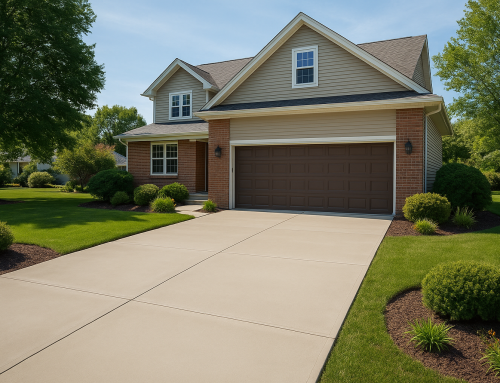
Veneer masonry involves applying a thin layer of brick or stone over another structural wall. This approach gives the appearance of full masonry without the same weight or cost. Veneer is popular in modern home design because it adds style and curb appeal while keeping construction efficient.
Materials Used in Mason Work
The quality of mason work depends heavily on the materials used. A successful project starts with choosing the right combination of units, mortar, reinforcement, and finishing products.
Brick and Stone
Brick and stone are the most visible elements in masonry projects. They come in many colors, textures, and sizes, allowing for both traditional and contemporary designs. Their durability makes them ideal for outdoor and load-bearing applications.
Mortar
Mortar is the binding material that holds masonry units together. It is usually made from cement, lime, sand, and water. The right mortar mix is important because it affects the flexibility, strength, and weather resistance of the finished structure.
Reinforcement Materials
In some masonry projects, steel bars, mesh, or ties are added for extra strength. Reinforcement helps masonry resist cracking, shifting, and heavy loads, especially in foundations, walls, and seismic zones.
Essential Skills of a Mason
Successful mason work takes more than physical labor. It requires craftsmanship, technical knowledge, and a strong understanding of building methods.
Precision and Measurement
Masons must measure carefully to ensure walls are level, plumb, and properly aligned. Even a small error can affect the look and stability of the finished project. Precision is especially important when working on decorative patterns or structural elements.
Knowledge of Tools and Techniques
Masons use tools such as trowels, levels, jointers, chisels, and saws. They must know how to cut materials, mix mortar, and place units efficiently. Good technique helps create strong bonds and a polished final appearance.
Problem-Solving and Adaptability
Every job site is different. A mason may need to adjust for uneven surfaces, weather conditions, or material variations. The ability to solve problems on the spot is an essential part of professional mason work.
Common Applications of Mason Work
Masonry is used in many parts of residential, commercial, and landscape construction. Its strength and visual appeal make it useful in both functional and decorative projects.
Foundations and Structural Walls
One of the most important uses of mason work is in foundations and load-bearing walls. These elements support the weight of a building and must be installed with great care. Proper masonry helps ensure long-term stability.
Fireplaces and Chimneys
Fireplaces and chimneys are classic examples of masonry craftsmanship. Brick and stone handle high heat well and create a finished look that adds character to a home. Skilled masonry is essential for safety and durability in these features.
Walkways, Patios, and Retaining Walls
Outdoor spaces often benefit from masonry because it combines beauty with functionality. Walkways, patios, and retaining walls built with brick, stone, or block can improve property value and make landscaping more practical.
Benefits of Quality Mason Work
High-quality mason work offers several long-term advantages. First, it provides excellent durability and can withstand weather, wear, and time better than many other materials. Second, masonry is low maintenance, especially when it is properly installed and sealed. Third, it adds timeless visual appeal that can increase the value of a property.
Another major benefit is fire resistance. Unlike wood-based construction, masonry materials do not burn easily, which adds an extra layer of safety. Mason work also provides sound insulation and can improve energy efficiency when used in exterior walls.
How to Maintain Masonry Structures
Even strong masonry needs regular care to stay in good condition. Maintenance usually includes checking for cracks, loose mortar joints, moisture damage, and staining. Small issues should be repaired quickly before they become larger structural problems.
Cleaning masonry surfaces gently and keeping water away from vulnerable areas can also extend the life of a structure. In some cases, sealing brick or stone may help protect it from moisture and weather exposure. With proper maintenance, masonry can remain attractive and reliable for many years.
Conclusion
Mason work is a skilled trade that combines strength, beauty, and lasting value. Whether used for structural support, decorative finishes, or outdoor features, masonry continues to be an essential part of modern construction. By understanding the materials, techniques, and applications involved, homeowners and builders can better appreciate the craftsmanship behind every well-built masonry project.