
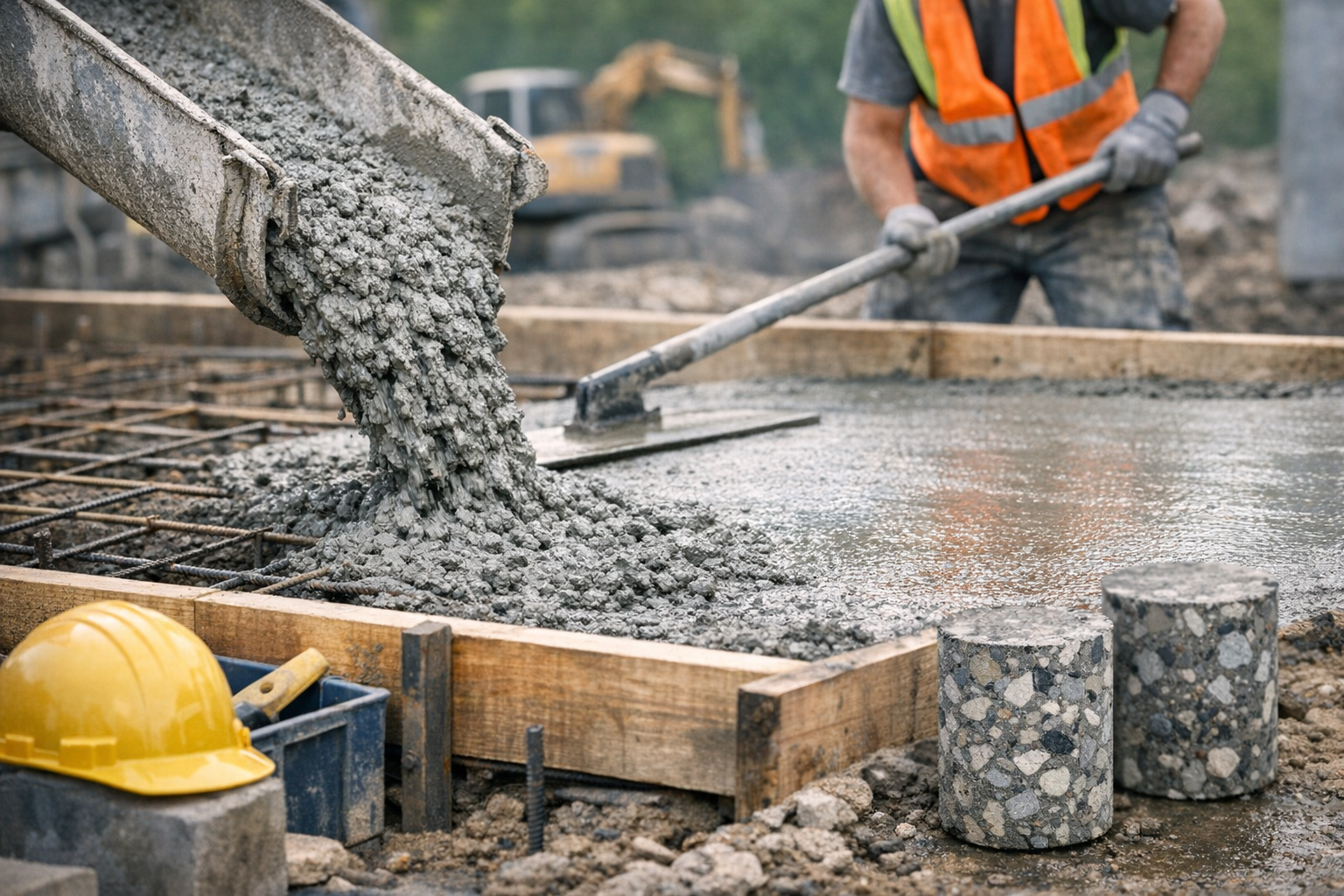
Quality Concrete: What It Is, Why It Matters, and How to Get It Right
Concrete is one of the most widely used building materials in the world, and for good reason. It is strong, durable, versatile, and cost-effective. But not all concrete performs the same way. When a project depends on long-term strength, safety, and appearance, quality concrete makes all the difference.
Whether you are planning a driveway, foundation, patio, sidewalk, or commercial slab, understanding what goes into quality concrete can help you avoid costly repairs and disappointing results. In this guide, we’ll look at what quality concrete means, the key factors that influence it, how it is used, and how to choose the right supplier or contractor.
What Is Quality Concrete?
Quality concrete is concrete that is properly designed, mixed, placed, finished, and cured to meet the demands of its intended use. It should have the right balance of strength, workability, durability, and appearance.
High-quality concrete does more than simply harden. It resists cracking, handles weather exposure, supports heavy loads, and maintains its integrity over time. In other words, quality concrete is not just about the ingredients—it is about the entire process from mix design to final finish.
Why Quality Concrete Matters
Concrete is often chosen because it is expected to last for decades. When the material is poorly made or improperly installed, problems can develop quickly. Cracks, spalling, dusting, uneven surfaces, and premature failure are all signs that quality may have been compromised.
Investing in quality concrete can:
- Improve structural performance
- Extend the lifespan of the project
- Reduce maintenance and repair costs
- Enhance safety and stability
- Improve appearance and finish quality
For homeowners, contractors, and property managers alike, better concrete usually means better long-term value.
Key Factors That Affect Concrete Quality
1. Mix Design
The mix design determines the proportions of cement, water, aggregates, and admixtures. A well-designed mix is tailored to the project’s specific requirements, such as strength, exposure conditions, and finishing needs. Too much water can weaken the concrete, while the wrong aggregate or cement ratio can affect durability and performance.
2. Material Quality
The quality of each ingredient matters. Clean water, properly graded aggregates, and fresh cement all contribute to a better final product. Contaminated or inconsistent materials can reduce strength and create long-term issues.
3. Workmanship
Even the best concrete mix can fail if it is not placed and finished correctly. Skilled workmanship includes proper forming, placing, compacting, finishing, and jointing. Small mistakes during installation can lead to visible defects or structural weakness.
4. Curing
Curing is the process of keeping concrete at the right moisture and temperature conditions so it can gain strength properly. Poor curing is one of the most common reasons concrete underperforms. Without adequate curing, concrete may shrink too quickly, crack, or fail to reach its intended strength.
5. Environmental Conditions
Temperature, wind, humidity, and precipitation all affect how concrete behaves during placement and curing. Hot, dry, or windy conditions can cause rapid moisture loss, while cold weather can slow curing. Quality concrete requires planning for weather conditions to ensure proper results.
Common Uses for Quality Concrete
Because concrete is so adaptable, quality concrete is used in a wide range of residential, commercial, and industrial applications. Some of the most common include:
- Foundations: Provide stability and support for homes and buildings
- Driveways: Need strength, surface durability, and resistance to traffic
- Sidewalks and walkways: Require smooth finishes and long-term crack resistance
- Patios: Benefit from attractive finishes and weather resistance
- Slabs and floors: Demand flatness, load-bearing capacity, and durability
- Commercial and industrial surfaces: Must withstand heavy use, equipment, and exposure
Different applications call for different mix designs and installation methods, which is why quality should always be matched to the project.
How to Choose a Quality Concrete Supplier or Contractor
Selecting the right supplier or contractor is just as important as selecting the right mix. A reputable professional will understand local conditions, project requirements, and best practices for placement and curing.
Look for a provider that:
- Has experience with projects similar to yours
- Uses consistent, high-grade materials
- Offers clear specifications and mix options
- Provides references or examples of past work
- Explains curing, finishing, and maintenance expectations
- Follows local building codes and industry standards
It also helps to ask questions about strength ratings, reinforcement, admixtures, and expected curing times. A trustworthy contractor will be able to explain these details clearly.
Tips for Maintaining Quality Concrete
Once concrete is installed, proper maintenance helps preserve its strength and appearance. Even quality concrete benefits from regular care.
- Keep the surface clean by removing dirt, debris, and chemicals
- Seal concrete when appropriate to reduce moisture penetration
- Avoid using harsh de-icing products that can damage the surface
- Repair cracks early before they spread or worsen
- Prevent standing water by ensuring proper drainage
With routine maintenance, well-made concrete can remain functional and attractive for many years.
Conclusion
Quality concrete is more than a construction material—it is the foundation of strong, durable, and long-lasting results. From the mix design to the final cure, every step affects performance. By choosing quality materials, experienced professionals, and proper maintenance, you can protect your investment and ensure better results for years to come.