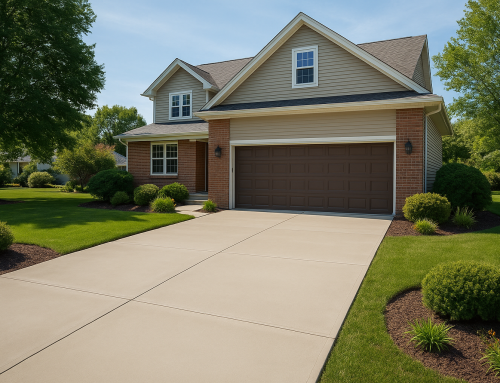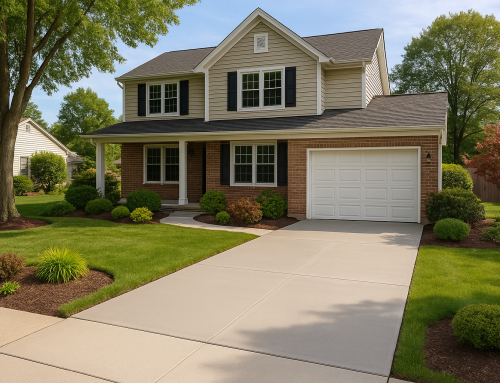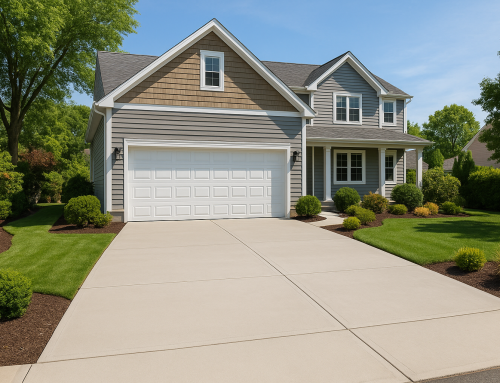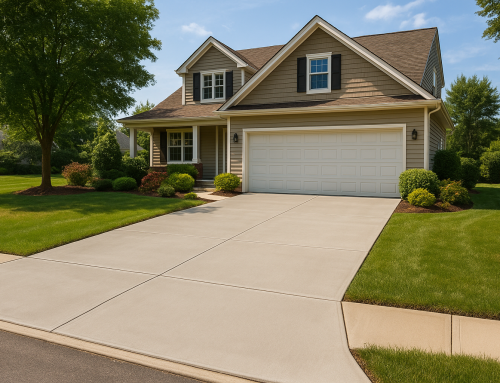
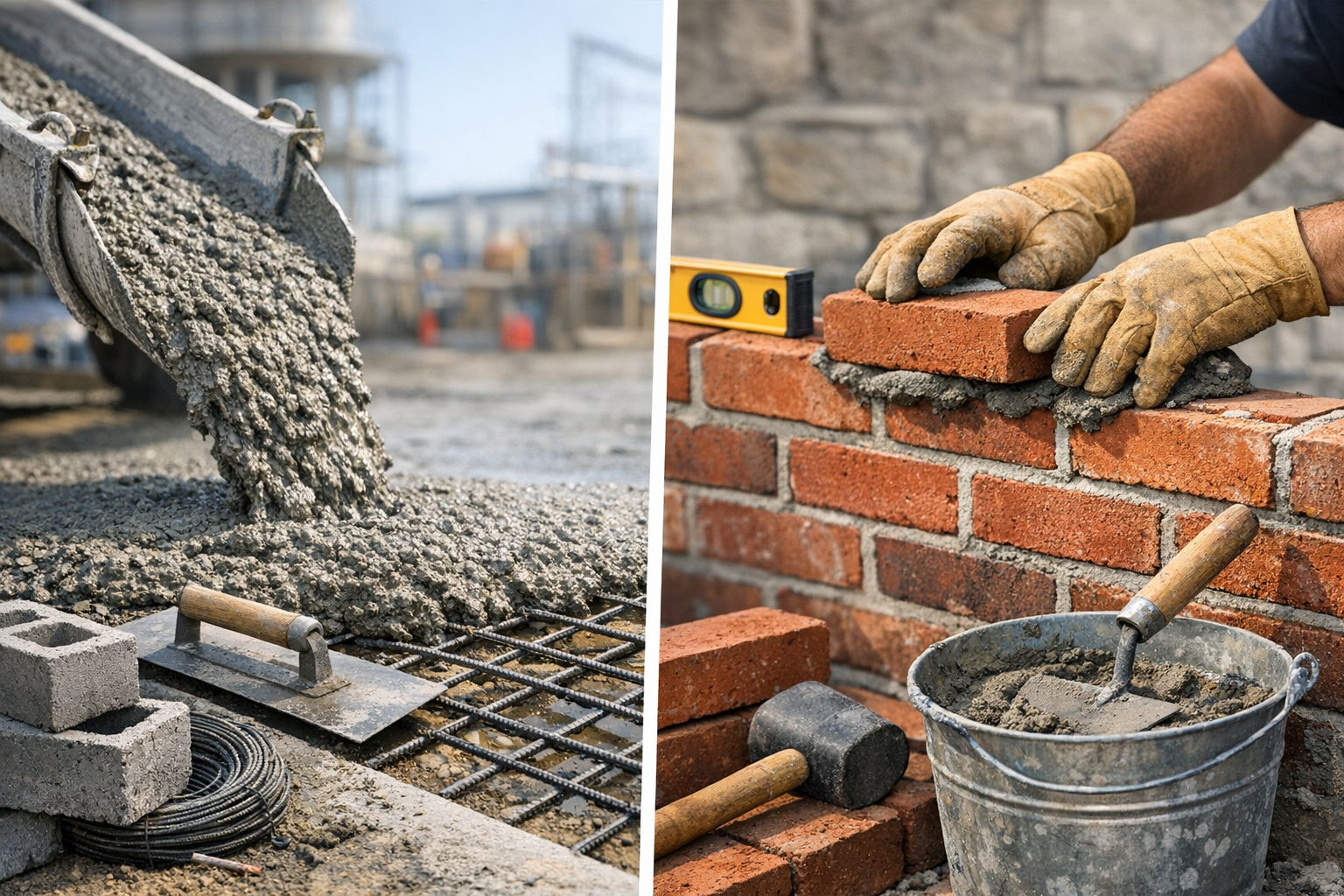
Concrete and Masonry: Why They Matter in Modern Construction
Concrete and masonry are two of the most trusted building materials in residential, commercial, and industrial construction. Their strength, versatility, and long service life make them essential for everything from foundations and retaining walls to patios, chimneys, driveways, and decorative facades. Whether you are planning a new build or maintaining an existing structure, understanding how concrete and masonry work can help you make smarter decisions about durability, appearance, and long-term value.
Although they are often mentioned together, concrete and masonry are not exactly the same. Concrete is a mixture of cement, water, sand, and aggregate that hardens into a strong, stone-like material. Masonry refers to construction made from individual units such as brick, stone, or concrete block, typically held together with mortar. In practice, these materials often work side by side to create structures that are both functional and attractive.
Understanding Concrete
Concrete is one of the most widely used building materials in the world because it offers impressive compressive strength and adaptability. It can be poured into nearly any shape, making it ideal for slabs, footings, columns, sidewalks, and structural elements. Once cured, concrete provides a stable foundation that can support heavy loads and withstand years of use.
One of concrete’s biggest advantages is its flexibility in design. Contractors can modify the mix for different purposes, including higher strength for structural work or improved workability for decorative applications. Concrete can also be finished in many ways, such as broom-finished, stamped, stained, or polished, allowing property owners to balance performance with curb appeal.
Common Uses of Concrete
- Foundations: Concrete footings and foundations help distribute a building’s weight evenly.
- Driveways and walkways: Durable surfaces that handle daily traffic and weather exposure.
- Slabs and floors: Common in garages, basements, warehouses, and commercial buildings.
- Retaining walls: Reinforced concrete supports soil and prevents erosion.
- Decorative features: Stamped patios, colored surfaces, and custom outdoor living areas.
Understanding Masonry
Masonry construction uses units like brick, natural stone, concrete block, or manufactured stone arranged and bonded with mortar. This technique has been used for centuries because it combines structural strength with timeless visual appeal. Masonry adds character to homes and buildings while also providing excellent fire resistance, sound insulation, and weather durability.
In addition to its strength, masonry is valued for its low maintenance needs. Brick walls, stone veneers, and block structures can last for decades when properly installed and cared for. Many property owners choose masonry because it delivers a classic appearance that remains attractive over time.
Common Types of Masonry
- Brick masonry: Popular for homes, chimneys, walls, and decorative facades.
- Stone masonry: Used for natural beauty, strength, and premium curb appeal.
- Concrete block masonry: Often used for foundations, basements, and commercial walls.
- Veneer masonry: A non-structural finish layer that improves appearance without full wall thickness.
Key Differences Between Concrete and Masonry
Concrete and masonry serve different purposes, even though they are often combined in the same project. Concrete is usually poured and formed into place, while masonry is assembled from units. Concrete is especially strong in compression and is commonly used for structural foundations and slabs. Masonry, on the other hand, is frequently chosen for walls and architectural elements where aesthetics matter as much as strength.
Another important difference is how the materials respond to movement and moisture. Concrete structures often include reinforcement to reduce cracking, while masonry systems rely on proper joints, mortar, and drainage to perform well over time. In many projects, the best result comes from using both materials together—for example, a concrete foundation supporting a brick veneer wall.
Benefits of Concrete and Masonry Construction
There are many reasons builders and property owners continue to rely on concrete and masonry. These materials offer a rare combination of strength, longevity, and design flexibility that makes them suitable for both practical and decorative applications.
- Durability: Properly installed concrete and masonry can last for decades with routine maintenance.
- Fire resistance: Both materials perform well in fire-prone conditions compared with many alternatives.
- Energy efficiency: Masonry walls can help regulate indoor temperatures and improve insulation.
- Low maintenance: Unlike wood, these materials do not rot, warp, or attract pests.
- Design versatility: Available in many textures, colors, shapes, and finishes.
Important Maintenance Tips
Even though concrete and masonry are durable, they still need care to stay in top condition. Small issues can become costly if they are ignored, especially in climates with frequent freeze-thaw cycles, heavy rain, or shifting soil.
For concrete surfaces, regular cleaning and sealing can help protect against staining, moisture absorption, and surface wear. Cracks should be inspected early so they can be repaired before they spread. For masonry, it is important to check mortar joints, flashing, and drainage details to prevent water intrusion and structural damage. Efflorescence, loose bricks, and spalling are signs that maintenance may be needed.
Homeowners should also keep gutters, downspouts, and grading in good condition so water moves away from masonry and concrete structures. Proper drainage is one of the most effective ways to extend the life of these materials.
Choosing the Right Contractor
Because concrete and masonry work depends on precise installation, choosing an experienced contractor is essential. Skilled professionals understand mix design, curing time, reinforcement, mortar selection, and structural requirements. They can also help you decide whether a project calls for poured concrete, block construction, brick veneer, or a combination of methods.
When comparing contractors, look for proof of licensing, insurance, references, and examples of completed work. Ask about surface preparation, waterproofing, reinforcement, and expected maintenance so you know what to expect after the project is complete. A well-planned installation can save time, money, and repairs in the future.
Conclusion
Concrete and masonry remain two of the most reliable materials in construction because they combine strength, beauty, and long-term performance. From foundational support to elegant exterior finishes, they play a major role in creating structures that are both practical and visually appealing. With proper design, installation, and maintenance, concrete and masonry can deliver lasting value for any property.