Introduction
Built concrete is one of the most dependable materials used in modern construction. Known for its strength, versatility, and long service life, it plays a major role in everything from home foundations to commercial floors, retaining walls, patios, driveways, and structural elements. When properly designed and installed, built concrete can provide exceptional performance for decades with relatively low maintenance.
Whether you are planning a new build, upgrading outdoor spaces, or comparing construction materials, understanding built concrete can help you make better decisions. In this guide, we’ll explore what built concrete is, its main benefits, how it is used, and what to consider for long-term durability.
What Is Built Concrete?
Built concrete refers to concrete that has been intentionally designed, poured, placed, and finished for a specific construction purpose. Unlike decorative or temporary applications, built concrete is used as a structural or functional element in a project. It may form the base of a building, support heavy loads, shape landscape features, or create durable surfaces that stand up to daily wear.
Concrete itself is a mixture of cement, water, sand, and aggregates such as gravel or crushed stone. Once mixed and cured, it becomes a hard, stone-like material that can be customized for different strength requirements, finishes, and shapes. Built concrete may be reinforced with steel bars or mesh to improve tensile strength and resist cracking.
In many projects, built concrete is chosen because it combines practicality with design flexibility. It can be smooth or textured, plain or colored, simple or highly detailed, depending on the project’s needs.
Key Benefits of Built Concrete
Strength and Load-Bearing Capacity
One of the biggest advantages of built concrete is its ability to support heavy loads. This makes it ideal for foundations, columns, slabs, and retaining structures. When reinforced correctly, concrete performs well under compression and delivers reliable structural support.
Durability and Longevity
Built concrete is known for lasting a long time when installed and maintained properly. It holds up well against foot traffic, vehicle traffic, weather exposure, and many forms of physical stress. Compared with some other building materials, it often requires less frequent replacement.
Design Flexibility
Concrete is highly adaptable. It can be formed into almost any shape while it is still wet, which makes it useful for both simple and complex designs. It can also be finished in many ways, including broom finishes, stamped patterns, polished surfaces, and colored treatments.
Fire and Weather Resistance
Another major benefit of built concrete is its resistance to fire, wind, rain, and temperature changes. It does not burn, and it performs well in a wide range of climates. This makes it a dependable choice for both interior and exterior applications.
Low Maintenance
Built concrete typically needs less maintenance than many alternative materials. Basic care may include cleaning, sealing, and checking for cracks, but in general it does not need frequent repairs or refinishing.
Common Uses of Built Concrete
Foundations and Structural Support
Built concrete is widely used for house foundations, footings, beams, and structural slabs. These elements need strong, stable materials that can carry significant weight without shifting or failing. Concrete is well suited for this role because of its compressive strength and long-term stability.
Driveways, Patios, and Walkways
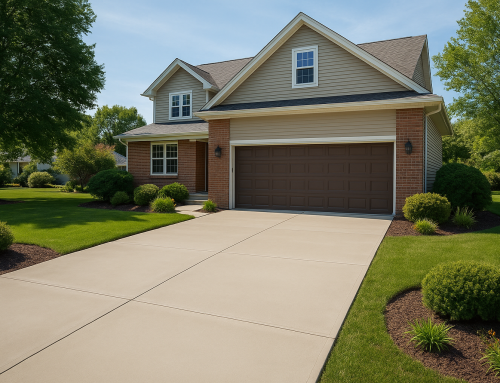
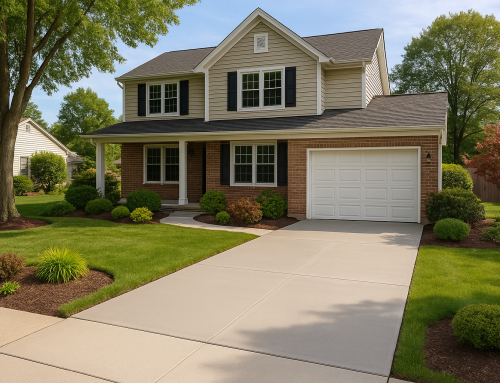
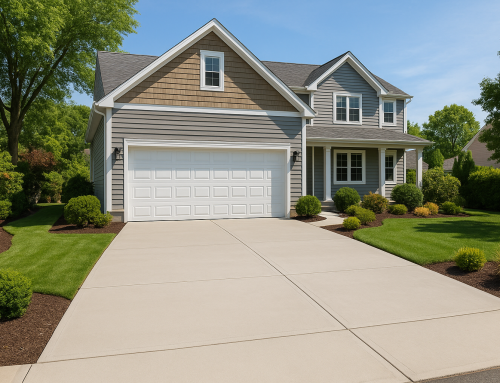
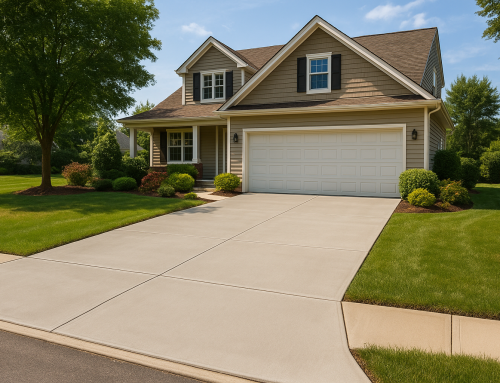
Outdoor surfaces are another common application. Concrete driveways and walkways offer a durable, attractive surface that can handle regular use. Patios made with built concrete can be finished in a variety of styles, making them both functional and visually appealing.
Retaining Walls and Landscape Features
Built concrete is often used in retaining walls, garden borders, stairs, and other landscape structures. These features must resist soil pressure, moisture, and environmental exposure, so concrete offers a practical and long-lasting solution.
Floors and Industrial Spaces
Warehouses, garages, workshops, and commercial facilities frequently rely on built concrete floors. These surfaces need to tolerate heavy equipment, frequent use, and potential chemical exposure. Concrete flooring is valued for its strength and ease of upkeep.
Decorative and Architectural Applications
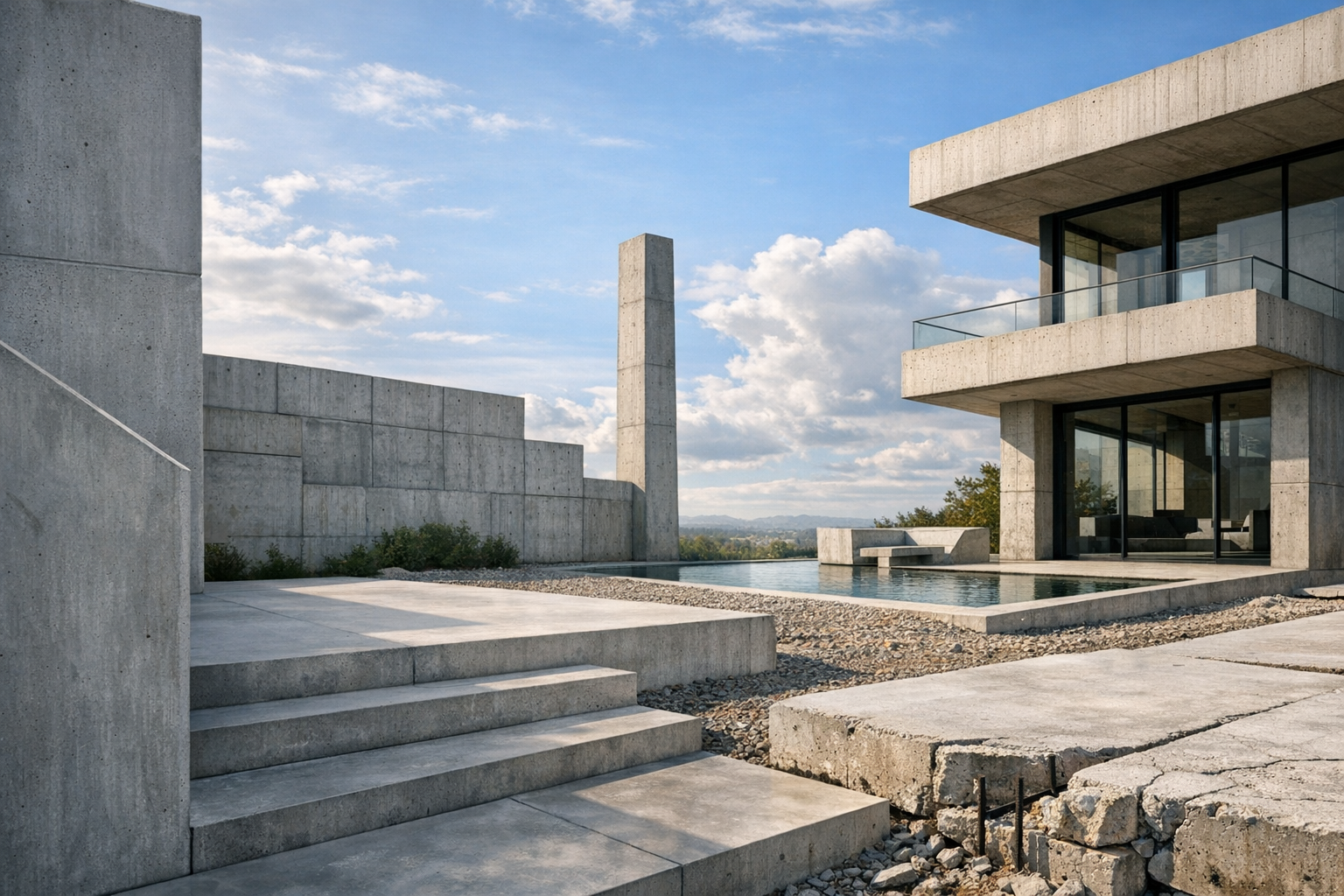
Built concrete is not limited to purely functional uses. It is also used for countertops, fire pits, seating walls, planters, and other design-focused features. With the right finish, it can add a clean, modern look to both indoor and outdoor spaces.
How Built Concrete Is Installed
Planning and Site Preparation
The installation process begins with careful planning. Builders evaluate the soil, load requirements, drainage, and project dimensions. The site is then prepared by clearing debris, compacting the base, and setting forms to shape the final structure.
Mixing and Pouring
Next, the concrete mix is prepared to meet the specific needs of the project. The mixture must have the right balance of water, cement, and aggregate to ensure strength and workability. Once mixed, it is poured into the forms and spread evenly.
Reinforcement and Finishing
For many built concrete projects, reinforcement is added before or during the pour. Steel rebar or wire mesh helps reduce cracking and improves structural performance. After pouring, the surface is leveled and finished according to the desired appearance and use.
Curing
Curing is one of the most important steps in the process. Concrete gains strength as it cures, and proper moisture control during this period helps prevent surface defects and weak spots. Depending on conditions and project size, curing may take several days or longer.
What Affects the Performance of Built Concrete?
Several factors influence how well built concrete performs over time. The quality of the mix, the skill of the installation team, weather conditions during pouring, and the type of reinforcement all play important roles. Poor site preparation or rushed curing can lead to cracking, settling, or reduced durability.
Exposure to water, salt, freeze-thaw cycles, and heavy loads can also affect concrete’s lifespan. For this reason, drainage and sealing are important considerations, especially in outdoor applications. Regular inspections can help catch small issues before they become larger problems.
Maintenance Tips for Long-Lasting Built Concrete
Built concrete is relatively low-maintenance, but a few simple steps can help preserve its appearance and strength:
- Clean surfaces regularly to remove dirt, oil, and debris.
- Seal exposed concrete to help reduce moisture penetration.
- Repair small cracks promptly to prevent further damage.
- Avoid using harsh de-icing chemicals when possible.
- Check drainage to make sure water does not pool around concrete surfaces.
With routine care, built concrete can remain functional and attractive for many years.
Conclusion
Built concrete remains one of the most trusted materials in construction because it offers a rare combination of strength, versatility, and longevity. From essential structural components to stylish outdoor features, it can be tailored to fit a wide range of projects. By understanding how built concrete works and what affects its performance, you can choose solutions that deliver lasting value.